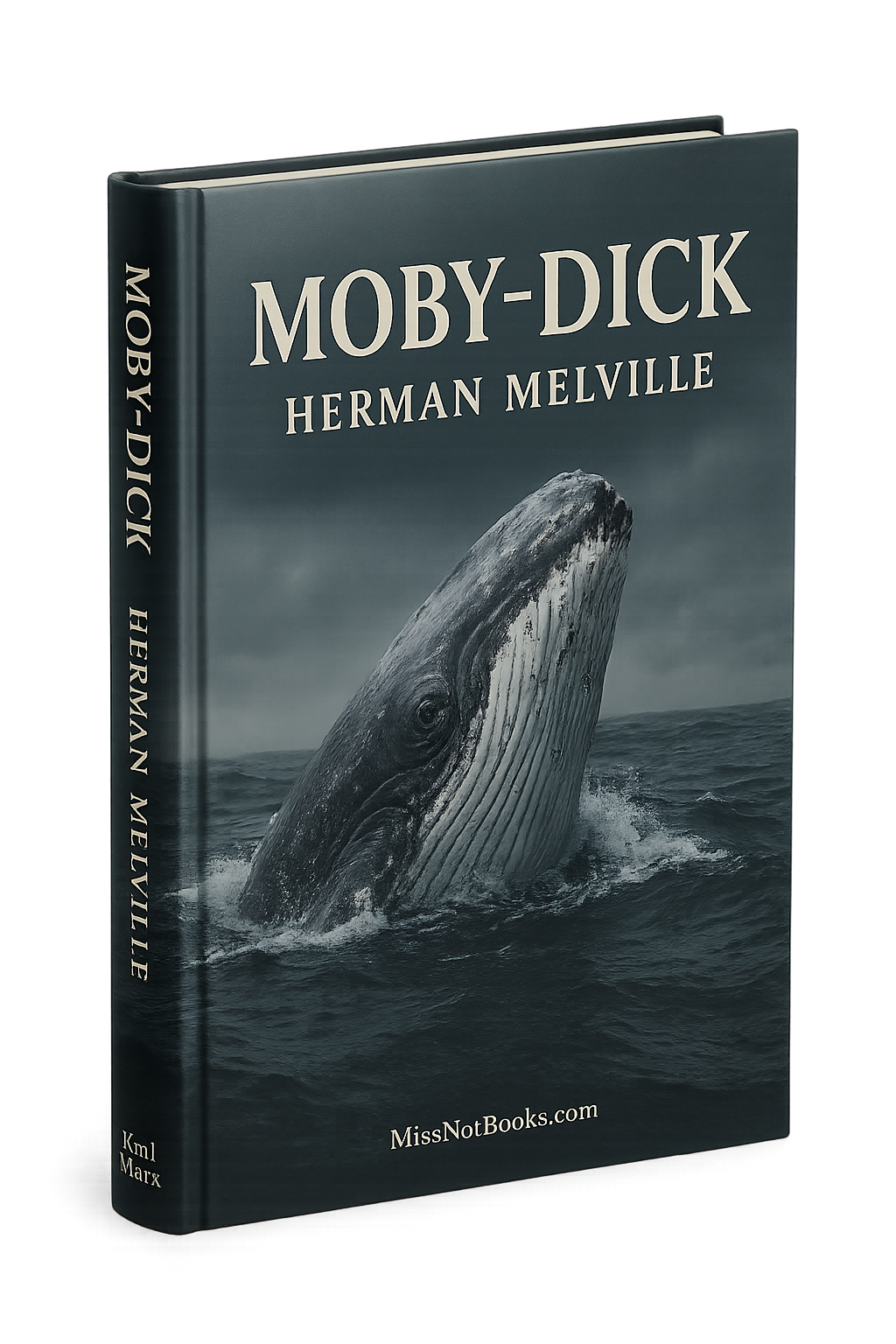
Moby-Dick
The landscape of American literature and narrative storytelling was irrevocably transformed by a daring exploration of humanity, nature, and obsession that challenged conventional forms and concepts. This book did not simply tell a story—it delved into the depths of existential inquiry, critiqued the very fabric of society, and illuminated the complexities of the human psyche, questioning the morality of man against the vastness of nature. Its publication marked a pivotal moment in literary history, laying the groundwork for future writers to embrace complexity and ambiguity in their works. Don’t miss the opportunity to engage with one of the most influential works of all time. Buy it today and explore the intricate dance between man and the natural world.
Core Ideas and Main Arguments
- The Pursuit of Meaning: Central to the narrative is the relentless quest for understanding, portrayed through Captain Ahab’s obsession with the titular whale, emblematic of the struggle for knowledge and dominance over the natural world.
- Nature’s Indifference: The book emphasizes the awe-inspiring, yet indifferent forces of nature and how they can both nurture and destroy humanity, highlighting the insignificance of man in the grand scheme of existence.
- Social Critique: Through various characters and their interactions, it critiques society's moral codes, commercial capitalism, and institutional power, encouraging readers to reflect on human behavior and ethics.
- Symbolism and Allegory: The text is rich with symbols (the white whale, the sea, the ship) that serve as vehicles for deeper philosophical questions about fate, free will, and human existence.
Author’s Intentions and Context
The author, facing a rapidly changing America during the mid-19th century, sought to challenge prevailing notions of genre, diving headfirst into a complex narrative that intertwined adventure with philosophical inquiry. As industrialization was reshaping society and global exploration was presenting new challenges, the author aimed to grapple with profound questions of existence, identity, and humanity's place in the universe against a backdrop of societal transformation and maritime lore.
Structure of the Book
The book is structured in a unique manner combining narrative, exposition, and reflection, which aids in the unfolding of its themes:
- Chapters: The first sections introduce the narrator and the crew, establishing both character and thematic groundwork.
- The Whaling Expedition: Middle chapters delve into the journey, revealing Ahab's monomaniacal pursuit and offering various philosophical musings that expand the narrative beyond mere adventure.
- Climactic Confrontation: The concluding parts crescendo into a dramatic confrontation between Ahab and the formidable whale, symbolizing the ultimate struggle against nature and destiny.
Key Takeaways
- The exploration of obsession can lead to self-destruction.
- Humanity's relationship with nature is fraught with tension between reverence and dominion.
- Moral ambiguity and ethical dilemmas are integral to understanding human interactions and societal constructs.
- The narrative style shapes the reader’s experience, embracing the complexities of life rather than providing clear answers.
Why It’s Important to Read
This book remains a cornerstone of not only American literature but also global literature, its themes resonating through time and across cultures. Readers, writers, and thinkers interested in existential philosophy, environmental ethics, and the human condition will find rich rewards within its pages. Its lasting impact encourages critical reflection on our relationship with the world, the struggles inherent in the human experience, and the moral questions that persist in contemporary society.
Impactful Quotes and Analysis
-
“Call me Ishmael.”
This opening line introduces a voice that is both personal and universal, drawing readers into the narrative with a sense of intimacy while simultaneously suggesting deeper themes of identity and isolation. -
“From hell’s heart I stab at thee; for hate’s sake I spit my last breath at thee.”
Here, Ahab’s declaration underscores the depths of his obsession and the destructive power of hate, highlighting the tragic consequences of single-mindedness. -
“The sea is the repository of the great forces of nature.”
This reflection presents the ocean as a powerful entity, emphasizing humanity’s vulnerability in the face of nature’s might, a theme that permeates throughout the narrative.
About the Author
Herman Melville (1819-1891) was an American novelist, short story writer, and poet of the American Renaissance. Initially recognized for his sea tales, including “Typee,” he achieved posthumous fame with the publication of his masterpiece, which has since been regarded as one of the great American novels. Melville's works engage with complex themes, embodying his profound engagement with the world around him, establishing his lasting legacy in the literary canon.
This monumental work is Moby-Dick by Herman Melville, brought to you for educational purposes by MissNotBooks.com.