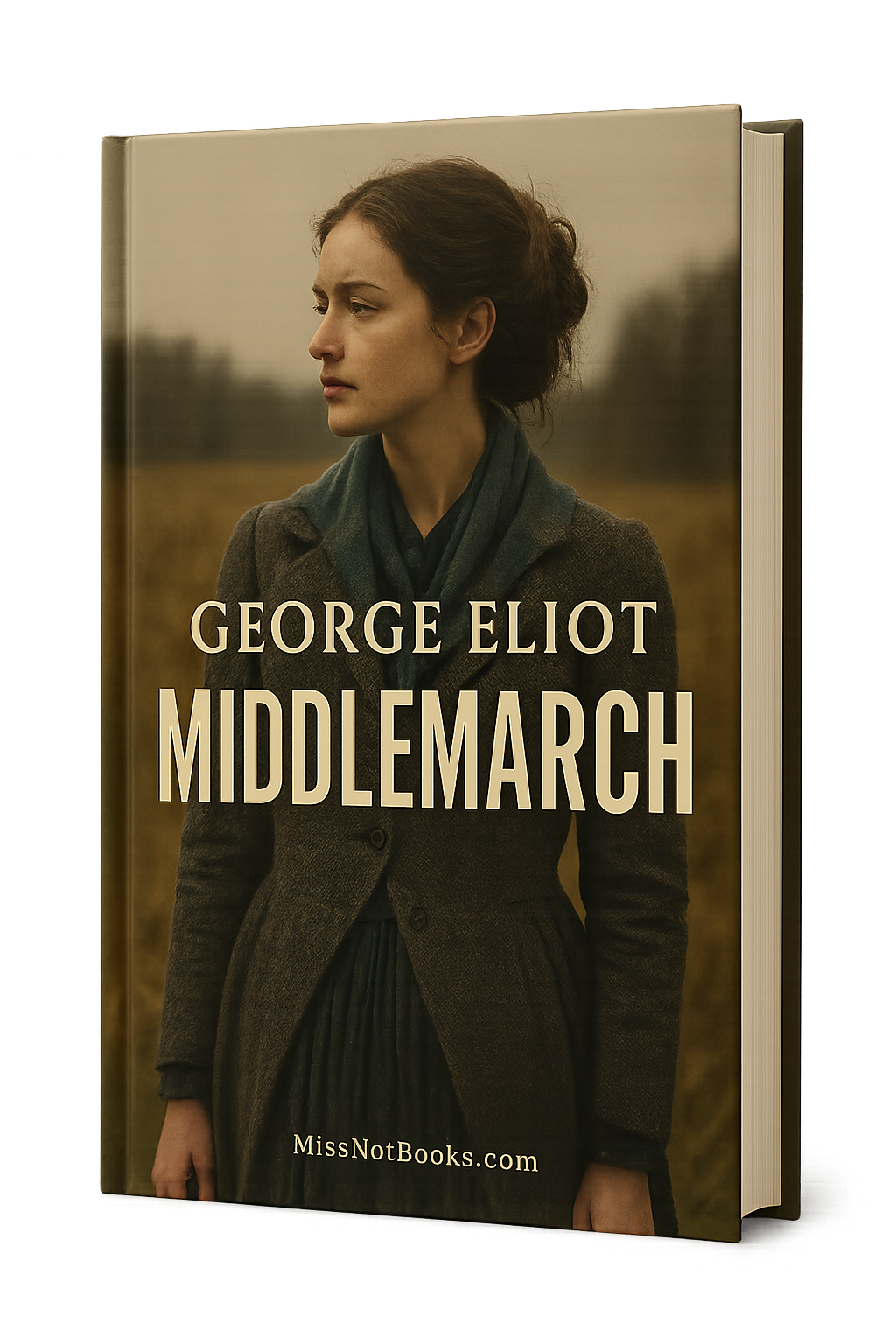
Middlemarch
In an era where the complexity of human relationships and societal structures often overshadow individual aspirations, one work emerged as a beacon of insight and depth, fundamentally transforming the landscape of literature and thought. It scrutinizes the intricate tapestry of life in a provincial town, diving into the complexities of personal ambition, love, and the often-unseen connections that bind us. By providing a panoramic view of human experience through a multifaceted narrative, it intricately challenged conventional narratives and laid the groundwork for modern realism in literature.
Don’t miss the opportunity to engage with one of the most influential works of all time. Buy it today and explore the beauty of human relationships and societal intricacies.
Core Ideas and Main Arguments
- Interconnectedness of Lives: The narrative illustrates how individual choices resonate through the community, highlighting the consequences of personal ambitions and societal expectations.
- Women's Agency: The book advocates for women's rights and explores the limitations placed on female characters, raising profound questions about gender roles and independence.
- Moral Complexity: It delves into the ethical dilemmas faced by its characters, revealing the multifaceted nature of morality and the difficulty of making the “right” choice.
- The Role of Progress: Through various characters embodying different ideologies, it examines the tension between tradition and progress, particularly in the context of scientific and social advancement.
- Self-Discovery and Growth: Characters undergo significant personal journeys, reflecting the theme of self-discovery and individual development against societal pressures.
Author’s Intentions and Context
Written during the Victorian era, the author sought to challenge the prevailing narratives of her time that often reduced individuals to mere archetypes. The societal limitations imposed on women and the rigid class structures prompted her to portray a more nuanced reality, illuminating the struggles of ordinary lives in the face of societal expectations. The historical backdrop of social reform and the burgeoning interest in scientific inquiry provided fertile ground for her exploration of characters grappling with their inner and outer worlds.
Structure of the Book
The novel is structured into eight distinct parts, each focusing on different aspects of life in the fictional town of Middlemarch. Each section is methodically crafted to contribute to the overarching narrative, with multiple protagonists whose stories intertwine, thus enriching the exploration of various themes:
- Introduction to the Community: Establishes the setting and introduces key characters while laying the groundwork for future conflicts.
- The Aspirations of Reform: Focuses on the ambitions of the more progressive characters who yearn for change.
- Love and Relationships: Explores the complexities of romantic entanglements and their impact on personal growth.
- Crisis and Confrontation: Where characters face pivotal challenges that test their ideals.
- Resolution and Reflection: Concludes character arcs while reflecting on the overarching themes of societal duty and personal satisfaction.
Key Takeaways
- The intricate web of relationships defines individual identity and collective morality.
- Gender roles are critically examined, revealing the potential for growth and independence.
- The clash between tradition and progress is a central theme, encouraging readers to question societal norms.
- Personal choices have far-reaching consequences, both intended and unintended.
- The exploration of selfhood is ongoing; growth is a lifelong journey.
Why It’s Important to Read
The timeless relevance of this narrative continues to resonate in contemporary discussions about identity, gender, and societal progress. It offers profound insights into the dynamics of personal relationships within the larger social fabric. Readers from all walks of life—students, educators, and anyone intrigued by human nature—will find invaluable lessons within its pages.
Impactful Quotes and Analysis
- “A great deal of talent is lost to the world for want of a little courage.” This quote encapsulates the essence of many characters' struggles, emphasizing the importance of bravery in pursuing one's dreams and ideals.
- “It is never too late to be what you might have been.” This powerful reminder speaks to the theme of personal growth and the potential for change, regardless of past choices.
- “The only failure is not to see.” This assertion underscores the importance of awareness and introspection, urging readers to engage deeply with their experiences and surroundings.
About the Author
Born Mary Ann Evans in 1819 and passing away in 1880, George Eliot was a prominent English novelist and social critic. She broke barriers in literature with her intellectual depth and keen psychological insights, often addressing pressing social issues of her time. Her legacy continues to inspire writers and thinkers, underscoring the significance of empathy and human understanding in literature.
This monumental work is Middlemarch by George Eliot, brought to you for educational purposes by MissNotBooks.com.