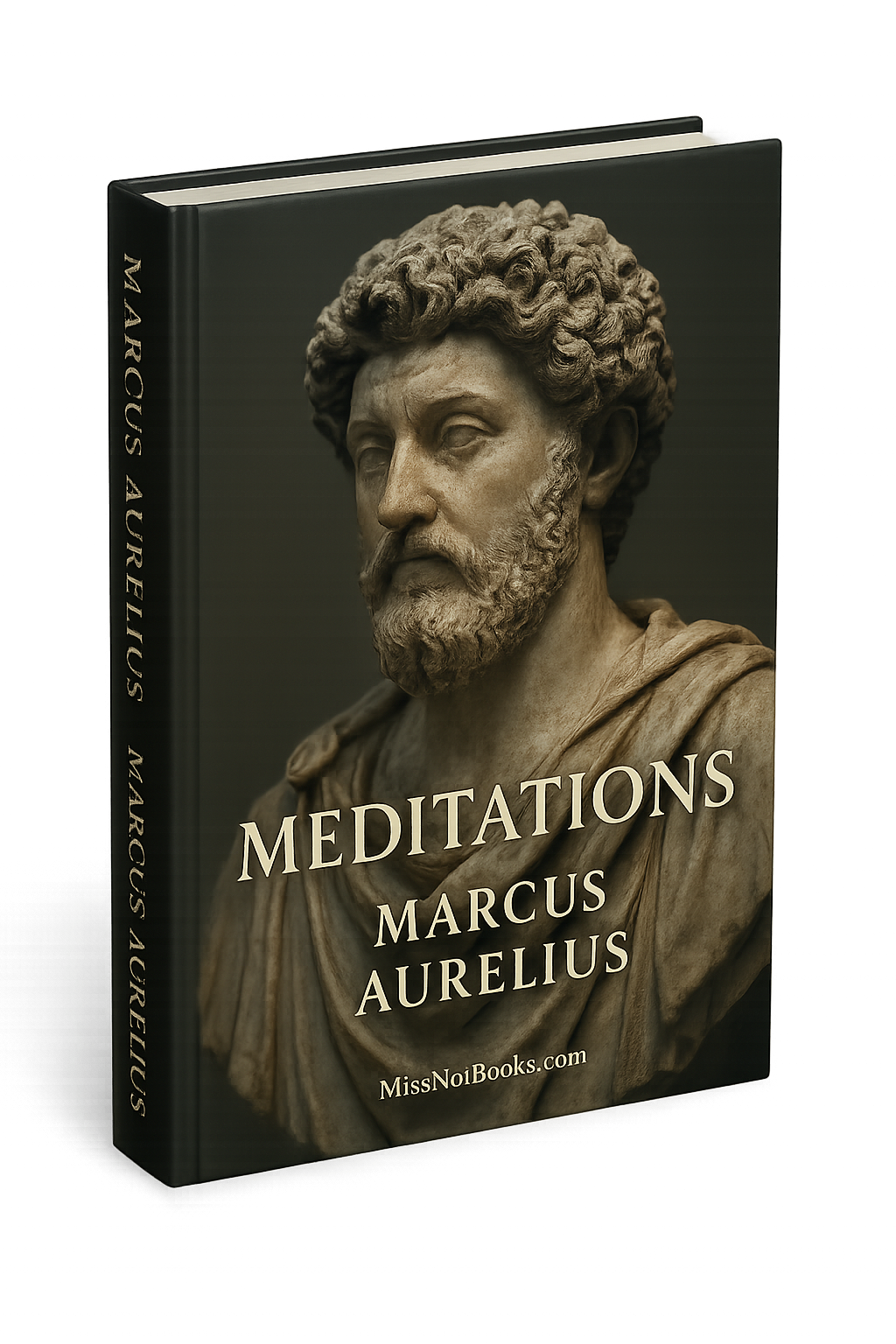
Meditations
Few works have shaped the course of human thought and moral philosophy as profoundly as the writing in question. Rooted in the experiences and reflections of a Roman Emperor, it revolutionized the understanding of personal ethics within the broader context of society and the universe. This text invites the reader on an introspective journey, one that challenges complacency and beckons us to navigate the complexities of life with resilience, wisdom, and virtue. In a world increasingly saturated with chaos and distraction, this book reaffirms the timeless truths of stoicism, providing readers with a framework for personal development and mental fortitude.
Core Ideas and Main Arguments:
- The Nature of Control: The work emphasizes the distinction between what is within our grasp and what lies outside our control, urging readers to focus their efforts on their own thoughts and actions.
- Acceptance of Impermanence: A central theme is the acceptance of life’s transience, encouraging a perspective that values each moment and fosters gratitude.
- Virtue as the Highest Good: The text posits that virtuous living is paramount, advocating for integrity, wisdom, and self-discipline as essential to a fulfilling life.
- Interconnectedness of All Things: It highlights the interconnectedness of humanity, encouraging empathy and compassion toward others as part of a greater whole.
- Mindfulness and Reflection: The work advocates for continuous self-examination and reflection as tools for personal growth and understanding.
Author’s Intentions and Context: The author, an emperor who ruled during a time of political turmoil and philosophical awakening, set out to articulate his personal struggles and insights, thereby linking stoic philosophy with the duties and challenges of leadership. Responding to the complexities of his era, which was marked by societal instability and external conflicts, he aimed to offer guidance not only for himself but for all who seek solace and understanding amidst chaos. His philosophical musings serve as both a personal diary and a manual for virtue, bridging the gap between ancient wisdom and everyday life.
Structure of the Book: The text is organized into twelve books, each a collection of aphorisms and meditations that encapsulate the author's thoughts on a range of topics from ethics to the nature of the universe. Each section builds upon the last, ultimately weaving a cohesive narrative that emphasizes the development of a virtuous character, resilience in adversity, and the pursuit of inner peace.
Key Takeaways:
- Empowerment through Acceptance: Embrace the things you cannot change to develop peace of mind.
- Living in Accordance with Nature: Align personal aspirations with the natural order and cultivate harmony with the universe.
- Strive for Personal Excellence: Focus on developing one’s character and virtues as the foundation for a meaningful life.
Why It’s Important to Read: This work remains crucial in fostering resilience and self-awareness in readers today, making it particularly valuable for students of philosophy, leaders in any field, and anyone looking to deepen their understanding of personal ethics. Its teachings have the power to resurface in a modern context, helping individuals navigate the pressures of contemporary life while remaining anchored in timeless principles of conduct and thought.
Impactful Quotes and Analysis:
-
“You have power over your mind – not outside events. Realize this, and you will find strength.”
- This powerful assertion underscores the central tenet of stoicism, that our thoughts shape our reality and can bolster our resilience against external challenges.
-
“The happiness of your life depends upon the quality of your thoughts.”
- A poignant reminder that cultivating a positive and virtuous mindset is essential for true contentment, emphasizing the influence of internal states on overall wellbeing.
-
“Waste no more time arguing about what a good man should be. Be one.”
- This direct call to action drives home the necessity of personal accountability and proactivity in the pursuit of virtue, moving beyond theoretical discussions to impactful action.
About the Author: Marcus Aurelius (121–180 AD) was a Roman Emperor and philosopher, a key figure in the development of stoic philosophy. Known as the "Philosopher King," he ruled from 161 to 180 AD during a period characterized by military conflict and social resilience. His legacy endures through his reflections, which continue to inspire leaders, thinkers, and everyday individuals seeking guidance on ethical living.
Don’t miss the opportunity to engage with one of the most influential works of all time. Buy it today and explore the foundation of stoic philosophy. This monumental work is Meditations by Marcus Aurelius, brought to you for educational purposes by MissNotBooks.com.