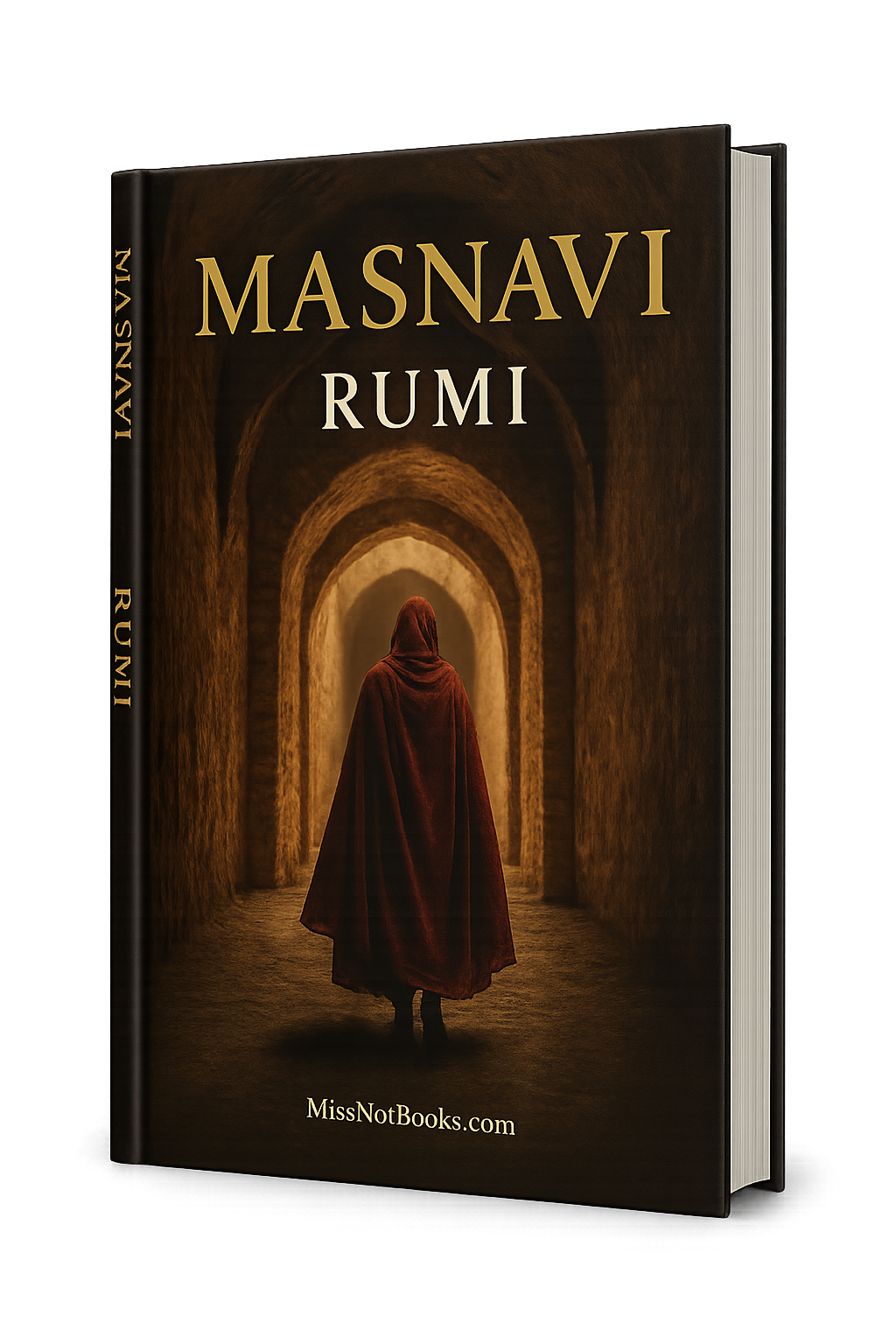
Masnavi
In the pantheon of world literature, few works have profoundly transformed spiritual and literary landscapes like this exceptional epic. It artfully delves into the complexities of human experience, love, and the quest for divine knowledge, weaving together storytelling with deep philosophical insights. As a guide for seekers of truth, it redefined the relationship between humanity and the divine, reshaping both spiritual practices and poetic expression across cultures. Its verses have resonated through centuries, offering wisdom that remains as relevant today as when it first penned. This work is not just a literary treasure; it serves as a compelling invitation to dive into the depths of the human soul and the mysteries of existence.
Core Ideas and Main Arguments
- Unity with the Divine: The text emphasizes the concept of divine love and the importance of nurturing a profound connection with God, which transcends religious boundaries.
- The Journey of the Soul: It presents life as a spiritual journey, encouraging readers to seek enlightenment and fulfillment through self-discovery and inner truth.
- Storytelling as a Teaching Tool: Utilizing allegorical tales, the author illustrates complex spiritual concepts, making them accessible to a wide audience.
- Embracing Human Emotion: The work celebrates the beauty and inevitability of human emotions, portraying them as essential to understanding the divine and living a fulfilled life.
Author’s Intentions and Context
Written during a time when the socio-political climate was turbulent and religious strife was prevalent, this work responds to the yearning for spiritual awakening amidst confusion and chaos. The author aimed to provide a framework for understanding life's complexities through a spiritual lens, fostering a deep sense of interconnectedness among all beings. By challenging the conventional religious thought of the time, the text addressed philosophical inquiries regarding love, existence, and the soul, inspiring readers to seek truth beyond dogma.
Structure of the Book
The text unfolds in a series of interconnected tales and verses structured around several thematic parts, each contributing to the overarching narrative of the soul's journey toward unity with the divine. Key sections include:
- The Initiation of Love: Introducing the theme of divine love as the foundation for spiritual enlightenment.
- The Trials of the Soul: Exploring the challenges and tribulations faced on the spiritual journey.
- The Nature of Existence: Reflecting on the relationship between earthly experiences and spiritual truths.
- The Journey Home: Concluding with the ultimate realization of unity with the divine, encapsulating the book's central message.
Key Takeaways
- The transformative power of love serves as a conduit for spiritual awakening.
- True understanding comes not from dogma but from personal experience and introspection.
- Emotions, both joyful and painful, are integral in navigating the journey of life.
- Human stories are woven into a divine narrative, emphasizing our shared experiences.
Why It’s Important to Read
Engaging with this remarkable work opens pathways to understanding oneself and the universe, inviting readers to contemplate their existence and relationship with the divine. Its blend of poetry and philosophy appeals to spiritual seekers, philosophers, and anyone interested in the profound connections that bind humanity. The rich tapestry of themes ensures that every reader finds relevance, instilling a sense of peace and purpose that echoes through today's complexities.
Impactful Quotes and Analysis
-
“The wound is the place where the Light enters you.”
This poignant observation highlights how suffering and challenge serve as the catalysts for personal transformation and enlightenment, reflecting the inevitability of pain in the human experience. -
“Don't grieve. Anything you lose comes round in another form.”
This quote speaks to the cyclical nature of existence and the idea that change should be embraced, offering comfort and wisdom about life’s transient nature. -
“You are not a drop in the ocean. You are the entire ocean in a drop.”
This powerful metaphor encapsulates the essence of individuality and unity, reminding us of the profound interconnectedness of all life and the divine presence within each person.
About the Author
Jalal ad-Din Muhammad Rumi (1207-1273) was a Persian poet, Islamic scholar, and Sufi mystic whose writings have transcended cultural and linguistic barriers, establishing him as one of the most significant figures in world literature. Born in present-day Afghanistan and later residing in Konya, Turkey, Rumi's legacy lies in his ability to blend spirituality with profound poetic expression, influencing countless generations and various disciplines, including literature, philosophy, and spiritual thought.
Don’t miss the opportunity to engage with one of the most influential works of all time. Buy it today and explore the beauty of human language and the depths of spiritual understanding. This monumental work is the Masnavi by Rumi, brought to you for educational purposes by MissNotBooks.com.