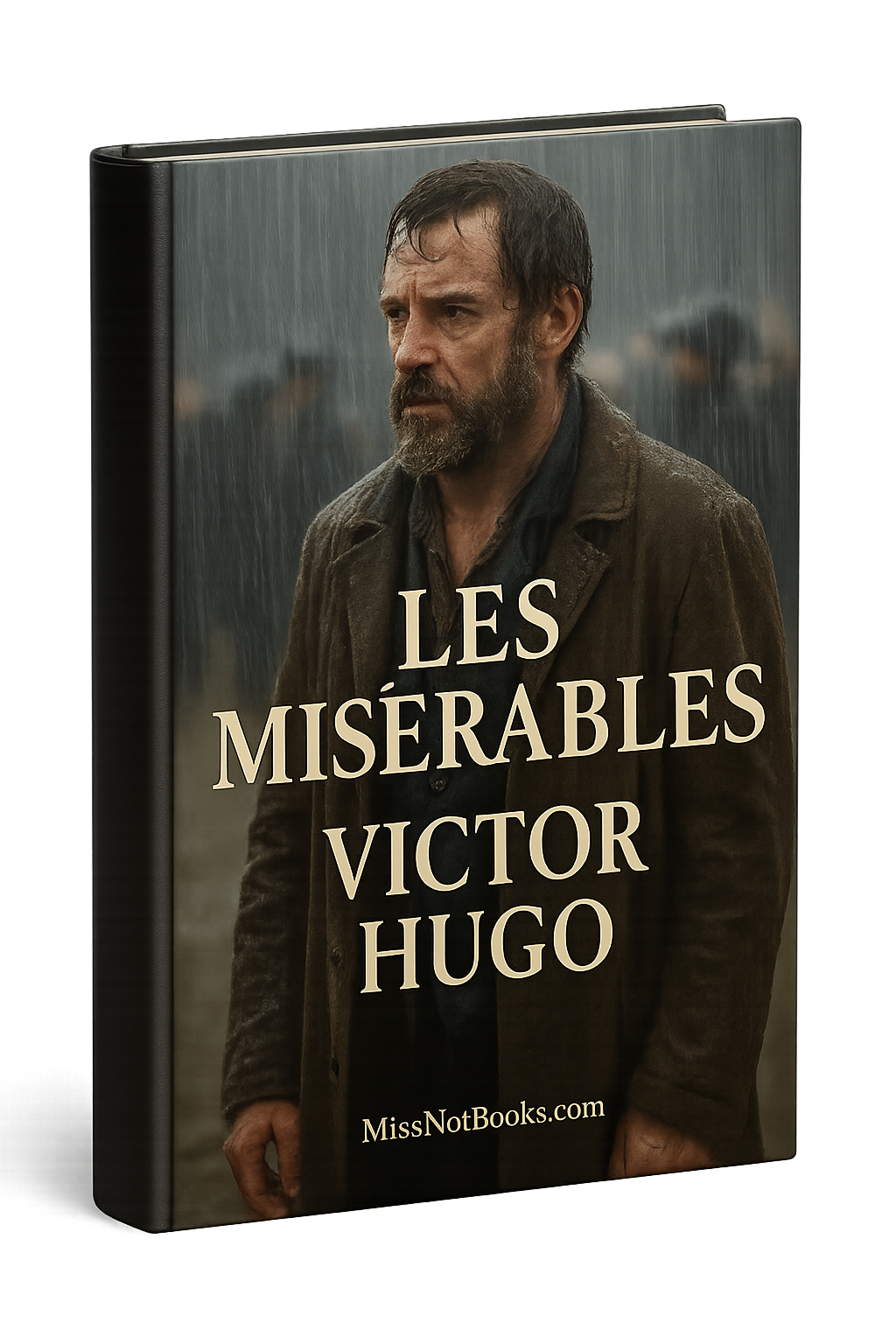
Les Misérables
In the annals of literature, few works stand as transformative pillars that redefine humanity's moral landscape, influence sociopolitical discourse, and ignite revolutions of thought and empathy. This landmark novel encapsulates the struggle between justice and mercy, poverty and wealth, love and hate—ultimately challenging readers to confront the enduring social injustices that persist through time. It is a monumental exploration of the human condition, offering profound insights into the complexities of forgiveness, redemption, and the quest for a more humane society.
Core Ideas and Main Arguments:
- The Dichotomy of Justice and Mercy: The narrative delves into the conflict between the letter of the law and the compassion of the heart, questioning the efficacy of a system that prioritizes punishment over rehabilitation.
- The Nature of Sacrifice: Characters embody various forms of selflessness, illustrating how personal sacrifice can lead to societal healing and transformative love.
- The Role of Society and the Individual: The book examines how social disparity influences individual destinies, urging acknowledgement and action towards the marginalized.
- Redemption and Transformation: A central theme is the possibility of change, emphasizing that embracing love and empathy can redeem even the most desolate lives.
- The Power of Hope: Against a backdrop of despair, the novel ultimately champions the power of hope as a catalyst for social change and personal growth.
Author’s Intentions and Context:
Written during a time of great upheaval in 19th-century France, the author sought to ignite a moral awakening in society. Witnessing the stark divide between the rich and the poor, and the failing justice system that perpetuated this inequality, the author intended to raise awareness of social injustices and encourage empathy for the downtrodden. The work stands as a critique of the prevailing attitudes of his time while offering a vision of a more compassionate future.
Structure of the Book:
The narrative is intricately woven into multiple interconnected plotlines and character arcs, sprawling across detailed sections that explore:
- Exposition: The backstory of Jean Valjean and the societal issues at hand.
- Conflict: Explores characters such as Javert and Fantine, showcasing their struggles against systemic forces.
- Resolution: Brings forth themes of reunion, revenge, and redemption, culminating in a powerful conclusion that resonates with hope and humanity.
Key Takeaways:
- Recognizing the deeply entrenched social inequalities that define our societies.
- Understanding the redemptive power of love and its capacity to transcend personal suffering.
- The necessity of compassion in addressing the failures of justice systems.
- The enduring human spirit against overwhelming odds.
Why It’s Important to Read:
This literary masterpiece remains profoundly relevant today. It urges modern readers to reflect on ongoing social injustices and reminds us of our capacity for both cruelty and compassion. Whether you are an avid reader, a scholar of sociology, or someone seeking inspiration in challenging personal contexts, this book invites you into a deeper exploration of the ethical dilemmas that shape our world.
Impactful Quotes and Analysis:
-
"Even the darkest night will end and the sun will rise."
This quote encapsulates the enduring theme of hope throughout the novel, serving as a reminder that even amidst suffering, there is the promise of better days ahead. -
"To love another person is to see the face of God."
This poignant reflection highlights the novel's deep spirituality and the belief that true love and compassion elevate the human experience to a divine level. -
"He who is not a good servant will not be a good master."
Here, the author critiques the corrupting nature of power and reinforces the idea that humility and service to others are essential for righteous leadership.
About the Author:
Victor Hugo (1802–1885) was a French poet, novelist, and playwright, whose works are synonymous with the artistic and political movements of the Romantic Era. A formidable social advocate, Hugo's literary legacy extended beyond mere storytelling; he shaped public opinion on critical issues such as human rights, freedom, and social justice—making a lasting impact on both literature and the world.
This monumental work is Les Misérables by Victor Hugo, brought to you for educational purposes by MissNotBooks.com.