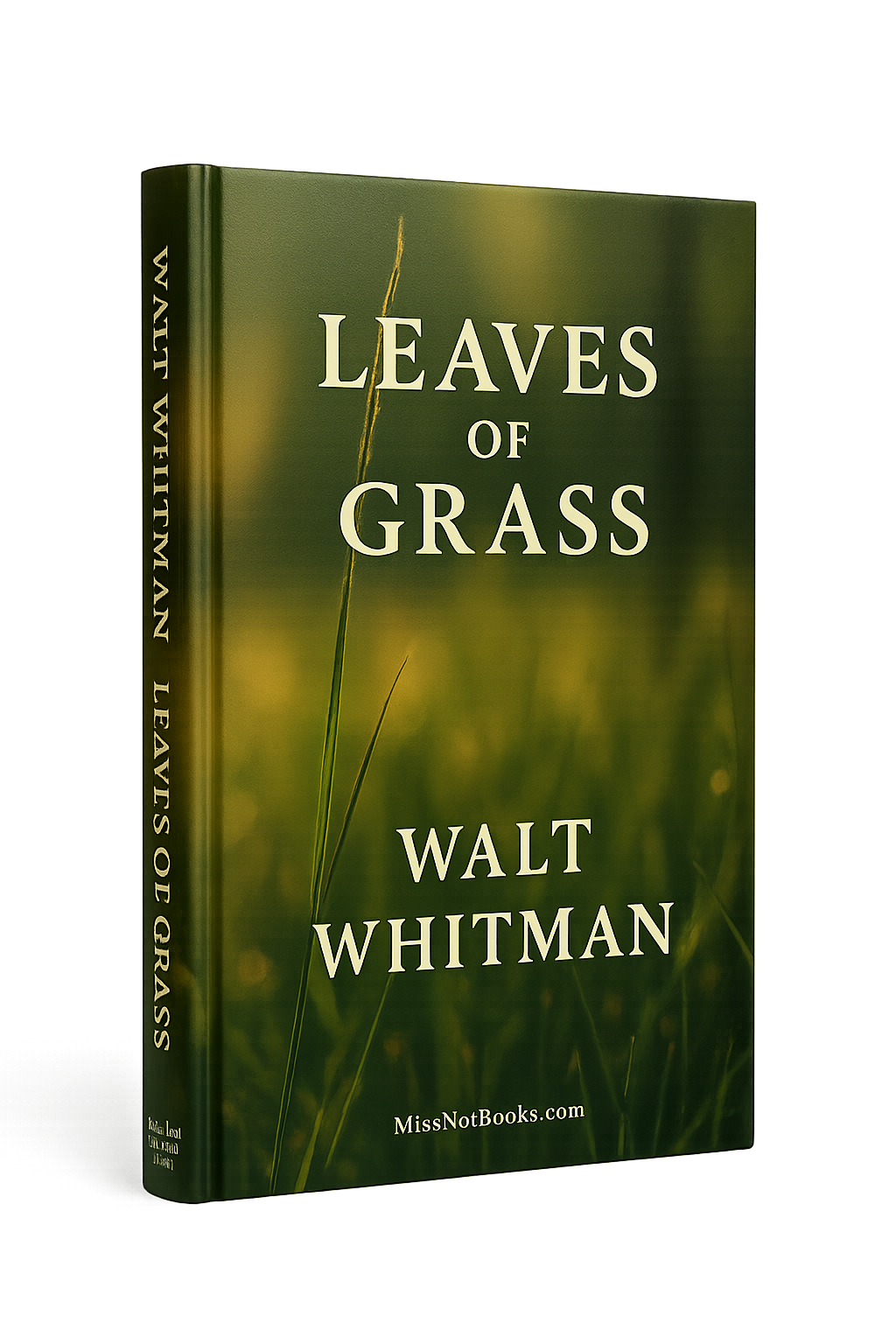
Leaves of Grass
In the pantheon of literature that has shaped modern thought, few works have sparked as profound a transformation in the concept of self and society as the text that boldly celebrates the beauty of the individual while embracing the collective human experience. This groundbreaking volume not only introduced a new poetic form but also challenged the conventions of its time, intertwining the personal and the universal in a way that resonated deeply with the spirit of democracy and the complexity of human emotion. By forging a connection between nature, humanity, and the divine, this book has become a cornerstone of American literature and a catalyst for modern poetic expression.
Core Ideas and Main Arguments:
- Individuality versus Universality: The work advocates for the inherent worth of the individual while simultaneously recognizing their integral role within the larger tapestry of society.
- Celebration of Nature: Through vivid imagery and appreciation for the natural world, the author emphasizes its importance for human understanding and spiritual connection.
- Transcendentalism: Reflecting transcendentalist ideals, it promotes the belief in inherent goodness and the innate connection between humanity and the universe.
- Democracy and Equality: The text embodies democratic principles, asserting that all voices and experiences are worthy of recognition and celebration.
- The Body and the Spirit: A groundbreaking exploration of the physical self, linking the corporeal body with spiritual and emotional experiences, defying traditional Victorian constraints.
Author’s Intentions and Context: The author aimed to create an inclusive and expansive vision of America and humanity during a period characterized by rapid change and social upheaval. In the mid-19th century, the United States was grappling with issues of identity, equality, and the very fabric of society as it teetered on the brink of Civil War. Responding to the fragmented nature of existence, the author sought to bridge divides through a poetic language that celebrated diverse experiences and voices.
Structure of the Book: The text is organized into a series of poems that are grouped into thematic clusters rather than traditional chapters. Each section contributes to a broader narrative of growth, self-discovery, and the interconnectedness of life. This structure allows readers to traverse varied landscapes—both emotional and physical—culminating in a holistic understanding of existence.
Key Takeaways:
- The reaffirmation of the self as an essential part of a larger community.
- An appreciation for nature as a source of inspiration and enlightenment.
- A challenge to societal norms and conventions regarding sexuality, identity, and personal freedom.
- The cultivation of a sense of belonging within the fabric of humanity.
Why It’s Important to Read: In today's world, where divisions often overshadow our shared humanity, the insights and philosophies presented in this book remain more relevant than ever. For those seeking to understand the roots of modern poetic expression, examine the complexities of identity and community, or simply embrace the beauty of the human experience, this work serves as both a guide and an inspiration. Artists, thinkers, and anyone interested in the nuances of democracy and individuality will find profound value within its pages.
Impactful Quotes and Analysis:
-
“I celebrate myself, and sing myself, and what I assume you shall assume.”
- This powerful declaration encapsulates the book's essence of self-exploration and connection, inviting readers to embrace their own identity within the broader human experience.
-
“The powerful play goes on, and you may contribute a verse.”
- Here, the author emphasizes the idea that every individual has the potential to impact the ongoing narrative of life, asserting the importance of personal contribution and creative expression.
-
“I believe a leaf of grass is no less than the journey-work of the stars.”
- This line reveals the interconnectedness of all things and suggests a reverence for the commonplace as part of the grand cosmic order, inviting readers to find divinity in the mundane.
About the Author: Walt Whitman (1819-1892) was a seminal American poet, essayist, and journalist, often hailed as one of the most influential figures in poetry. His unconventional style and innovative free verse transformed the landscape of American literature, blending profound philosophical insights with an embracing vision of humanity. He is celebrated for his daring exploration of sexuality, democracy, and the human spirit, leaving an indelible mark that continues to resonate through literature and culture.
Don’t miss the opportunity to engage with one of the most influential works of all time. Buy it today and explore the beauty of human language. This monumental work is Leaves of Grass by Walt Whitman, brought to you for educational purposes by MissNotBooks.com.