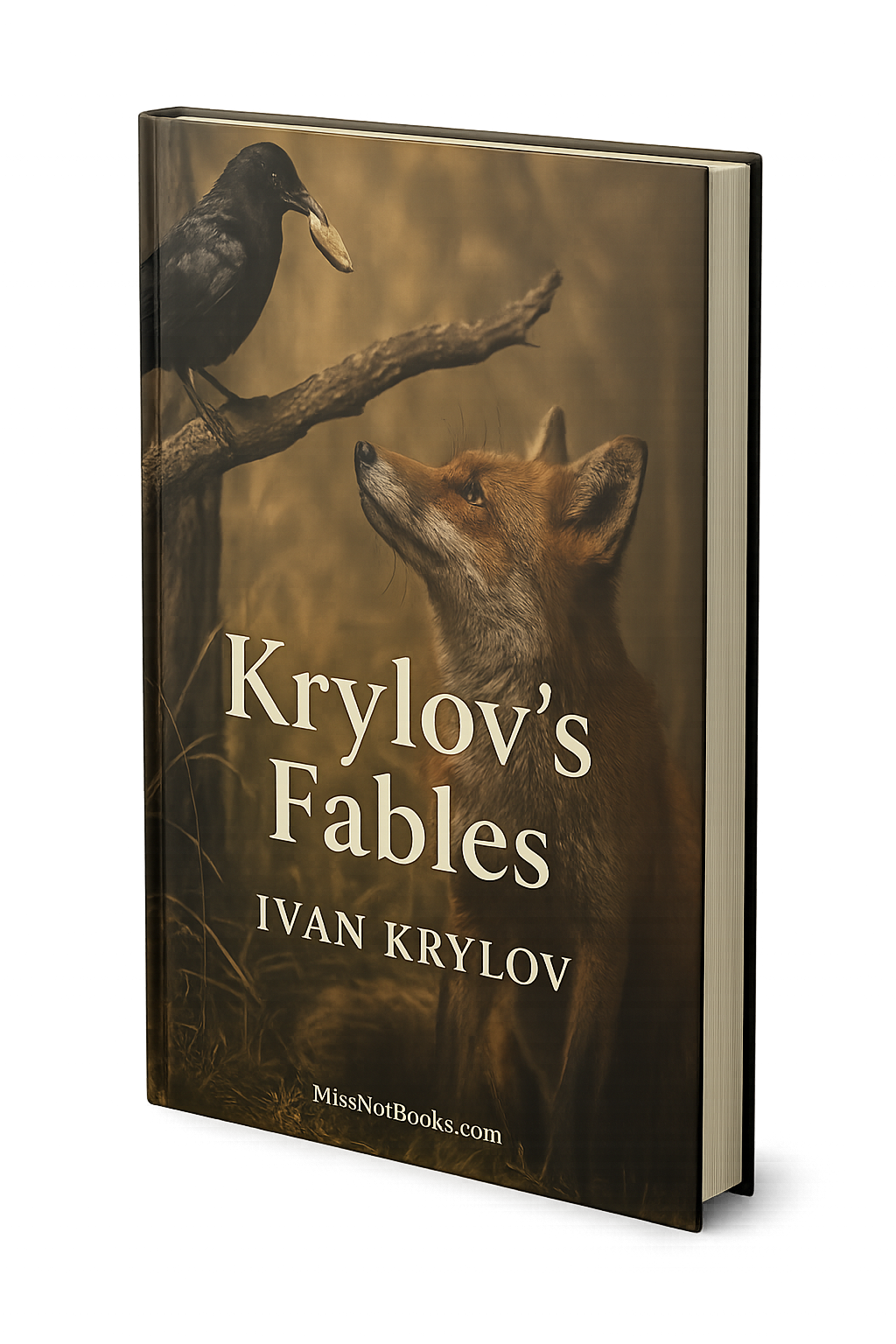
Krylov’s Fables
In a world constantly grappling with moral dilemmas and social injustices, a book emerged that would redefine the landscape of storytelling and fable as a vehicle for profound ethical lessons. This transformative work introduced a nuanced approach to parables, employing the vehicle of animal characters to discuss human nature with unparalleled wit and insight. It challenged readers to reflect on their own behaviors and societal norms, instigating a dialogue about virtue, vice, and the complexities of life. The influence of this collection can still be felt today, as it laid the groundwork for future generations of poets and writers, ensuring that allegorical storytelling would forever hold a special place in literature.
Core Ideas and Main Arguments
- Moral Instruction: Each fable delivers a clear ethical lesson, embedding moral truths within engaging narratives that resonate across cultures.
- Satirical Examination of Society: The tales often critique societal norms and human behaviors, using humor to expose hypocrisy and folly.
- Universal Themes: The exploration of themes such as greed, pride, and friendship transcends time and geography, making the fables eternally relevant.
- Engagement through Storytelling: By using animals as characters, the author simplifies complex human emotions and moral conflicts, making profound lessons accessible to all readers.
Author’s Intentions and Context
The author aimed to distill complex human experiences and moral teachings into concise, engaging narratives that could reach a broad audience. Writing in the early 19th century Russia, a time marked by political turbulence and social change, he hoped to cultivate ethical discernment among his contemporary readers while also reflecting on the human condition. This work was not merely a literary endeavor; it served as a social commentary, encouraging readers to examine their values and society critically.
Structure of the Book
The collection is organized into individual fables, each standing alone yet contributing to a greater discourse on ethics and behavior. The fables are thematically grouped, addressing specific moral quandaries or societal critiques. This structure allows readers to choose lessons that resonate with them while creating a cohesive understanding of the moral fabric woven through the narratives.
Key Takeaways
- Readers gain insights into human behavior through relatable scenarios presented in anthropomorphic terms.
- The fables serve as a mirror, reflecting personal and societal flaws that were prevalent in the author's time and continue to exist today.
- The simplicity of the narratives belies their depth, encouraging introspection and dialogue around moral choices.
Why It’s Important to Read
This collection is more than a collection of whimsical tales; it is a timeless exploration of morality that remains relevant in today’s complex world. Readers from all walks of life, whether educators seeking tools for teaching ethics, students of literature exploring allegory, or anyone looking to ponder the nuances of human behavior, will find formidable value in these stories. Engaging with this work fosters deeper understanding of one's own values and the human experience, making it both a personal and intellectual journey.
Impactful Quotes and Analysis
- “The fox and the grapes”: This fable exemplifies the psychological defense mechanism of rationalization, illustrating how we often belittle what we cannot attain, a concept that resonates universally across time and culture.
- “The wolf and the lamb”: This poignant story reveals the inherent power dynamics present in societal interactions, a reminder of how the innocent can suffer at the hands of the powerful, invoking empathy and reflection on justice.
- “The crow and the pitcher”: Highlighting the theme of ingenuity, this fable empowers readers to seek creative solutions in the face of adversity, illustrating that intelligence and adaptability are vital traits in overcoming obstacles.
About the Author
Ivan Krylov (1769-1844) was a renowned Russian fabulist and poet whose works significantly impacted Russian literature. Known for his sharp wit and keen observations of human nature, Krylov's fables drew from European traditions while infusing them with a distinctly Slavic flavor. His ability to blend humor with poignant social commentary has earned him a lasting legacy, influencing not only Russian writers but also the universal genre of fable.
Don’t miss the opportunity to engage with one of the most influential works of all time. Buy it today and explore the beauty of human language and thought. This monumental work is Krylov’s Fables by Ivan Krylov, brought to you for educational purposes by MissNotBooks.com.