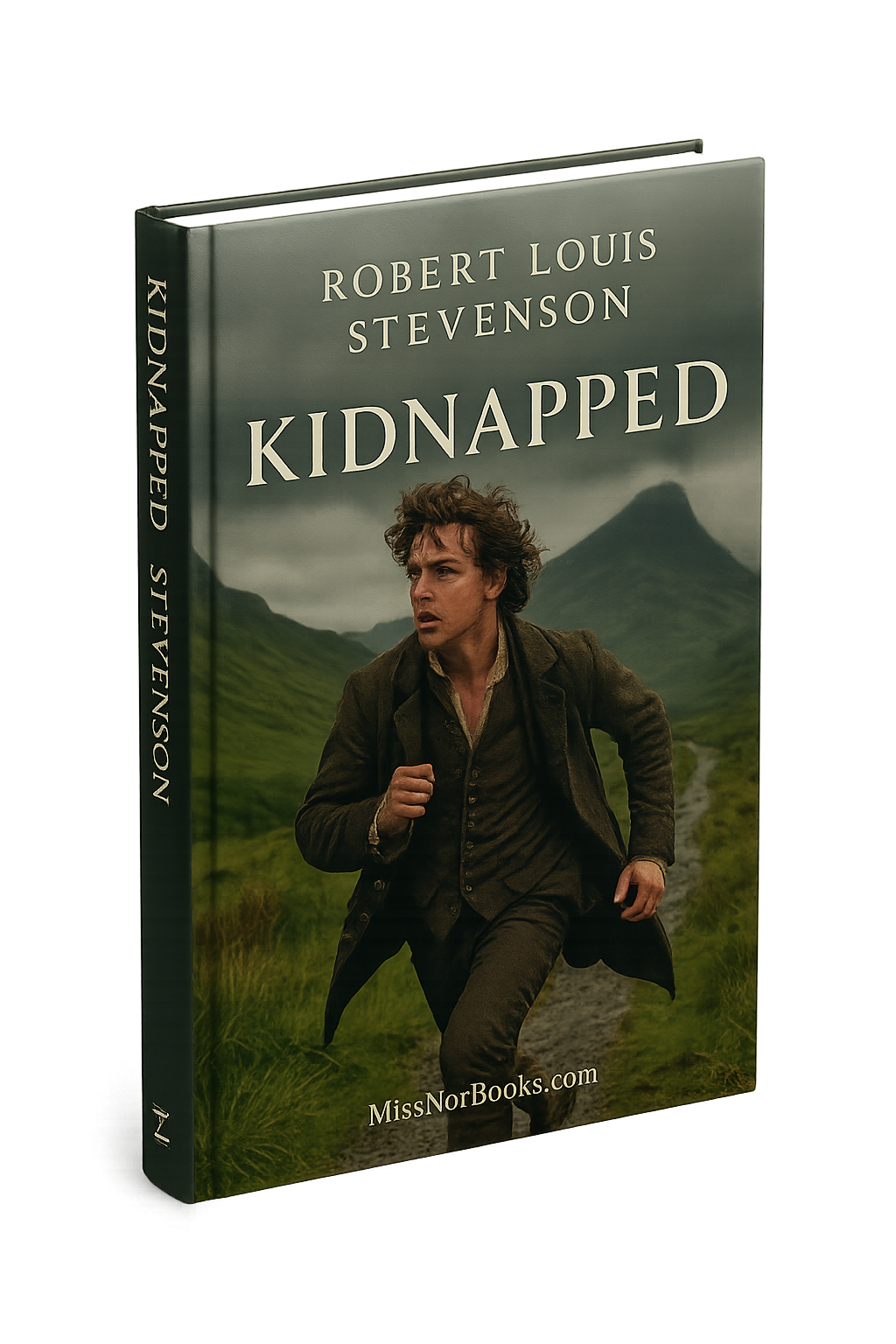
Kidnapped
In the annals of literature, few narratives have managed to fuse adventure and social commentary quite like the gripping tale that captures the tumultuous journey of a young boy. This seminal work revolutionized the coming-of-age genre, combining elements of adventure, identity, and historical context into a riveting storyline that not only entertains but also challenges societal norms and personal destiny. It invites readers to explore the intricate dance between fate and free will, all set against the rich tapestry of Scotland's past.
Core Ideas and Main Arguments
- Journey of Self-Discovery: The protagonist's transformation from innocence to moral understanding highlights the importance of personal growth through hardship and experience.
- Social Commentary: The book addresses class struggles, loyalty, and the idea of kinship, questioning the rigid social structures of its time.
- Adventure as Metaphor: The exhilarating escapades serve as a metaphor for the quest for identity and belonging in a changing world.
- Historical Context: Incorporates the realities of Scottish history, providing a backdrop that enriches the narrative and imbues it with authenticity.
Author’s Intentions and Context
The author intended to weave a narrative that was both thrilling and reflective, responding to the turbulent socio-political climate of 18th-century Scotland. In an era marked by rebellion, loss, and quests for autonomy, this work sought to mirror the struggles of individuals who were adrift in a rapidly changing society. The philosophical challenges of loyalty, kinship, and the search for personal truth serve as the underpinnings of the author’s objective to resonate with universal themes of human experience.
Structure of the Book
- Part One: Introduction to the protagonist and the inciting events that set his life on a path of adventure.
- Part Two: The protagonist’s tumultuous journey, including significant encounters that shape his understanding of loyalty and friendship.
- Part Three: The resolution of the protagonist’s quest, culminating in a return that signifies growth and a deeper understanding of his identity within his culture.
Key Takeaways
- Readers will appreciate the profound impact of personal relationships forged in adversity.
- The idea that adventure can lead to essential self-discovery and understanding of one's place in society.
- The exploration of themes of loyalty and betrayal raises questions about the moral complexities of relationships.
Why It’s Important to Read
This work holds remarkable cultural and intellectual value not only as a staple of adventure literature but also as a commentary on the human condition. Its exploration of personal growth through trials resonates with readers across generations. Students of literature, history enthusiasts, and anyone seeking an insightful adventure story will find it invaluable. The themes explored remain relevant today, reflecting the enduring struggles of identity and belonging in changing landscapes.
Impactful Quotes and Analysis
-
"It is never too late to mend."
This quote underscores the power of redemption and change, emphasizing that growth is always possible regardless of past mistakes. -
"To be what we are, and to become what we are capable of becoming, is the only end of life."
It speaks to the human potential for transformation through experience, making the case for continual self-improvement as a lifelong journey. -
"The world is all before them, with a wilderness of sweets; they have a hopeful reliance on fortune."
This reflects the thrill of adventure and the optimistic view of life’s journey as a series of opportunities waiting to be seized.
About the Author
Robert Louis Stevenson (1850-1894) was a Scottish novelist, poet, and travel writer whose literary legacy continues to influence writers and readers alike. Renowned for his innovative storytelling and adventure narratives, Stevenson captured the complexities of human nature and morality within fantastical settings. His ability to intertwine rich characterizations with vivid descriptions of landscapes has earned him a lasting place in classic literature.
Don’t miss the opportunity to engage with one of the most influential works of all time. Buy it today and explore the beauty of human experience shaped by adventure and identity. This monumental work is Kidnapped by Robert Louis Stevenson, brought to you for educational purposes by MissNotBooks.com.