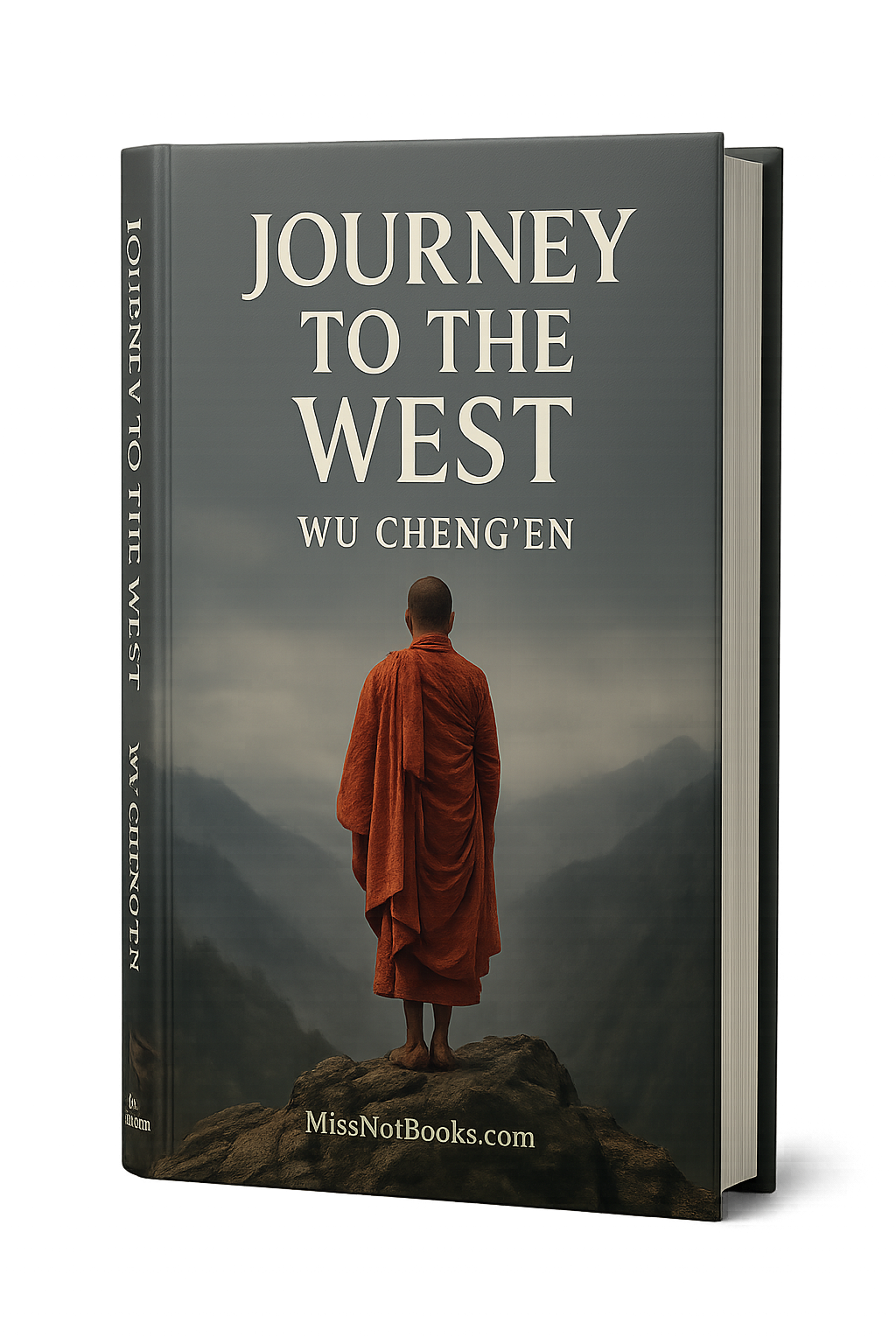
Journey to the West
In a time when mythical tales primarily served as entertainment, one groundbreaking narrative emerged that redefined the possibilities of literature and infused the cultural ethos of an entire civilization with profound spiritual and philosophical inquiry. This transformative work elevated the concept of narrative to a magnificent tapestry that intertwined human experience with metaphysical exploration, challenging the boundaries of fiction, spirituality, and ethical dilemmas. Consequently, it encouraged generations to embark on quests of both literal and figurative significance—seeking enlightenment amid chaos and moral ambiguity.
Don’t miss the opportunity to engage with one of the most influential works of all time. Buy it today and explore the roots of adventure and spiritual awakening.
Core Ideas and Main Arguments
- Journey as Metaphor: The central pilgrimage taken by the main characters is not solely physical but also a profound metaphor for the quest for self-discovery and enlightenment.
- Interplay of Realms: The seamless blending of the supernatural and humanistic elements reveals the interconnectedness of mundane experiences with the divine.
- Moral Lessons: Each adventure serves as a lesson in virtue, demonstrating the importance of qualities like compassion, loyalty, and bravery.
- Complex Characterization: Characters are not purely heroic or villainous; they exhibit multifaceted personalities that challenge simplistic moral interpretations.
- Cultural Critique: The narrative reflects and critiques the societal norms of the time, prompting readers to examine the philosophical tenets underlying their beliefs.
Author's Intentions and Context
The author, writing during the Ming dynasty, sought to captivate a culturally rich yet politically tumultuous audience. His intentions went beyond mere entertainment; he aimed to provide a deeper conscious engagement with spiritual and moral questions that resonated in the hearts of readers. The historical context of this period—marked by a desire for cultural revival and philosophical introspection—helped pave the way for a narrative that could support society's quest for greater ethical understanding and spiritual wisdom, simultaneously challenging the rigid confucian values that had dominated for centuries.
Structure of the Book
The narrative unfolds in a series of chapters that follow the perilous journey of a Buddhist monk and his companions:
- Prologue: Establishes the background of the journey and introduces key characters.
- Encounters with Deities and Spirits: Explores the thin line between the sacred and the profane.
- Trials and Tribulations: Each chapter presents a new challenge that reveals character growth and moral lessons.
- Reflections on Virtue: Intertwined philosophical musings provide depth beyond the immediate story.
- Conclusion: Summarizes the journey’s impact on the characters’ individual growth and collective purpose.
Key Takeaways
- Self-growth requires facing and overcoming obstacles.
- True enlightenment comes from integrating diverse perspectives and experiences.
- Moral principles guide not just personal actions but also collective human endeavors.
- The essence of storytelling can weave together cultures, ethics, and spirituality into meaningful dialogue.
Why It’s Important to Read
This masterpiece transcends time, providing invaluable insights into human nature and the pursuit of truth. Its rich themes resonate with those who seek wisdom in an ever-changing world. Scholars of literature, philosophy, and spirituality alike will find depth and relevance that speaks to the continuing quest for understanding in every era. Every reader stands to benefit from the timeless lessons it imparts—lessons that illuminate the rich tapestry of life, morality, and the spiritual journey.
Impactful Quotes and Analysis
-
“The journey of a thousand miles begins beneath one’s feet.”
This quote encapsulates the essence of beginning any significant endeavor—action is required to achieve transformation and growth. -
“What is true strength? It is for the sake of the world, upon a world of suffering, to shoulder its burden."
This poignant reflection on strength highlights the profound moral obligation individuals have to act in solidarity with others in the face of collective challenges. -
“The monkey’s mischief hides a heart that yearns for wisdom.”
This insight illustrates the often overlooked depth of character within those labeled as outcasts or tricksters, reinforcing the notion that wisdom can arise from unexpected places.
About the Author
Wu Cheng’en (circa 1506–1580) was a renowned Chinese novelist and poet, whose contributions to literature shaped Chinese storytelling for centuries. Active during the Ming dynasty, he is best known for his ability to blend mythology with moral philosophy, creating works that remain influential in both literary and spiritual contexts. His legacy endures through the continued relevance of his narratives, inspiring countless adaptations and interpretations across various cultures.
This monumental work is Journey to the West by Wu Cheng’en, brought to you for educational purposes by MissNotBooks.com.