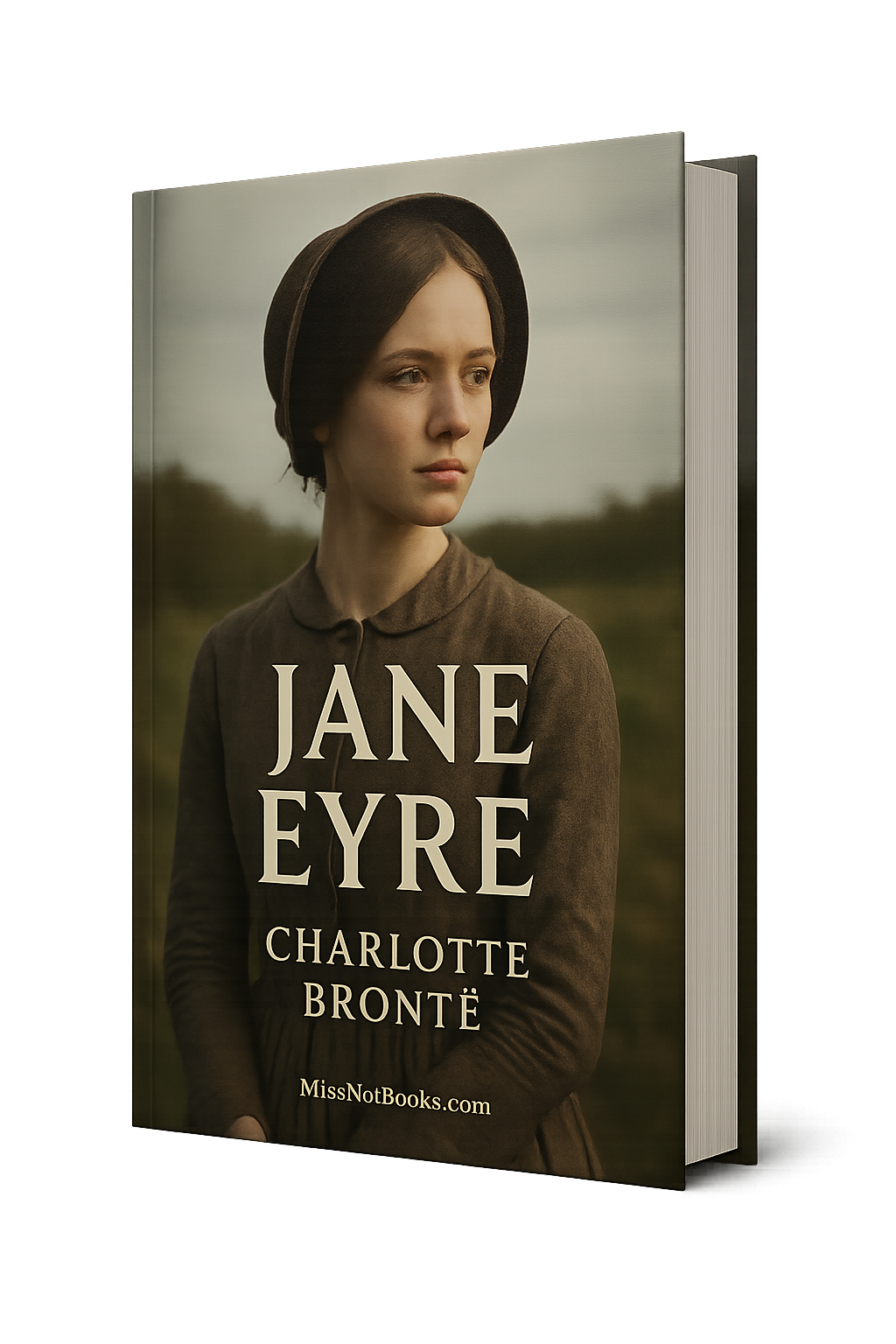
Jane Eyre
In a world where the boundaries of gender, class, and morality are rigidly defined, one remarkable narrative dared to confront and dismantle these very constructs. This seminal book not only revolutionized the novel as a literary form but also challenged societal norms, paving the way for future generations of writers and thinkers. Emphasizing the importance of individuality, emotional depth, and the quest for independence, it introduced readers to a powerful female protagonist whose voice remains resonant, inspiring, and timeless. Don’t miss the opportunity to engage with one of the most influential works of all time. Buy it today and explore the intricacies of the human spirit and the quest for self-identity.
Core Ideas and Main Arguments
- Autonomy and Self-Identity: The book advocates for the importance of personal integrity and the pursuit of one’s own beliefs, especially in the face of societal pressure.
- Critique of Gender Inequality: It poignantly highlights the oppressive nature of patriarchy and the limited roles available to women in the 19th century.
- Class and Social Mobility: The narrative scrutinizes the class system of Victorian England, emphasizing the struggles of the lower classes and the human dignities that transcend social strata.
- Religious Hypocrisy: The work questions the authenticity of religious morality portrayed by various characters, contrasting genuine faith with societal pretense.
Author’s Intentions and Context
The author aimed to portray a profound and complex understanding of a young woman's struggle for autonomy in a deeply unequal society. Written during a time when the rights of women were severely restricted and the roles of individuals were dictated by class and gender norms, this narrative sought to reflect and challenge these injustices. By presenting a robust, independent female character who defies expectations, the book called into question the moral and social constraints of the era, arguing for a world that recognizes the innate worth and agency of every human being.
Structure of the Book
- Part 1: Childhood and Orphanage: It introduces Jane’s early life, establishing her struggles with abandonment and mistreatment, setting the stage for her quest for belonging.
- Part 2: Thornfield Hall: Jane’s transformative experiences as a governess, marked by her relationship with Mr. Rochester, explore themes of love, power, and moral complexity.
- Part 3: Return and Resolution: As Jane grapples with her thoughts on morality, class, and self-worth, her return to her past shapes her future, highlighting the importance of forgiveness and self-acceptance.
Key Takeaways
- Empowerment Through Self-Discovery: Readers will understand the power of knowing oneself and the importance of asserting one’s identity.
- Defiance Against Social Norms: The narrative encourages questioning the societal rules that dictate one’s life and happiness.
- The Interplay of Love and Independence: It balances romantic desire with personal freedom, suggesting that true love respects and uplifts the self rather than diminishes it.
Why It’s Important to Read
This book remains a poignant exploration of the issues of identity, social justice, and the complexities of human relationships. Its ongoing relevance is palpable in contemporary discussions about gender roles, equality, and self-empowerment. Feminists, literary scholars, and anyone interested in the evolution of storytelling will find immense value and insight within its pages. Its rich character development and layered themes make it a fulfilling read for those seeking deeper understanding in literature and life.
Impactful Quotes and Analysis
-
“I am no bird; and no net ensnares me.”
This declaration of independence captures Jane's refusal to be confined by societal expectations, emphasizing the human desire for autonomy. -
“I would always rather be happy than dignified.”
This quote reflects Jane’s prioritization of emotional fulfillment over societal norms, encapsulating the book's message about the importance of personal happiness. -
“I have been known to make mistakes... but I never have been known to be afraid of mobbing.”
This showcases Jane's courage in standing up against societal disapproval, embodying the book’s themes of resilience and moral integrity.
About the Author
Charlotte Brontë (1816–1855) was an English novelist and poet, best known for her groundbreaking contributions to literature alongside her sisters, Emily and Anne Brontë. Often regarded as one of the pioneers of the modern novel, her works reflect complex explorations of gender, class, and individuality. Her legacy continues to influence writers and feminists alike, cementing her place as a crucial figure in literary history.
This monumental work is Jane Eyre by Charlotte Brontë, brought to you for educational purposes by MissNotBooks.com.