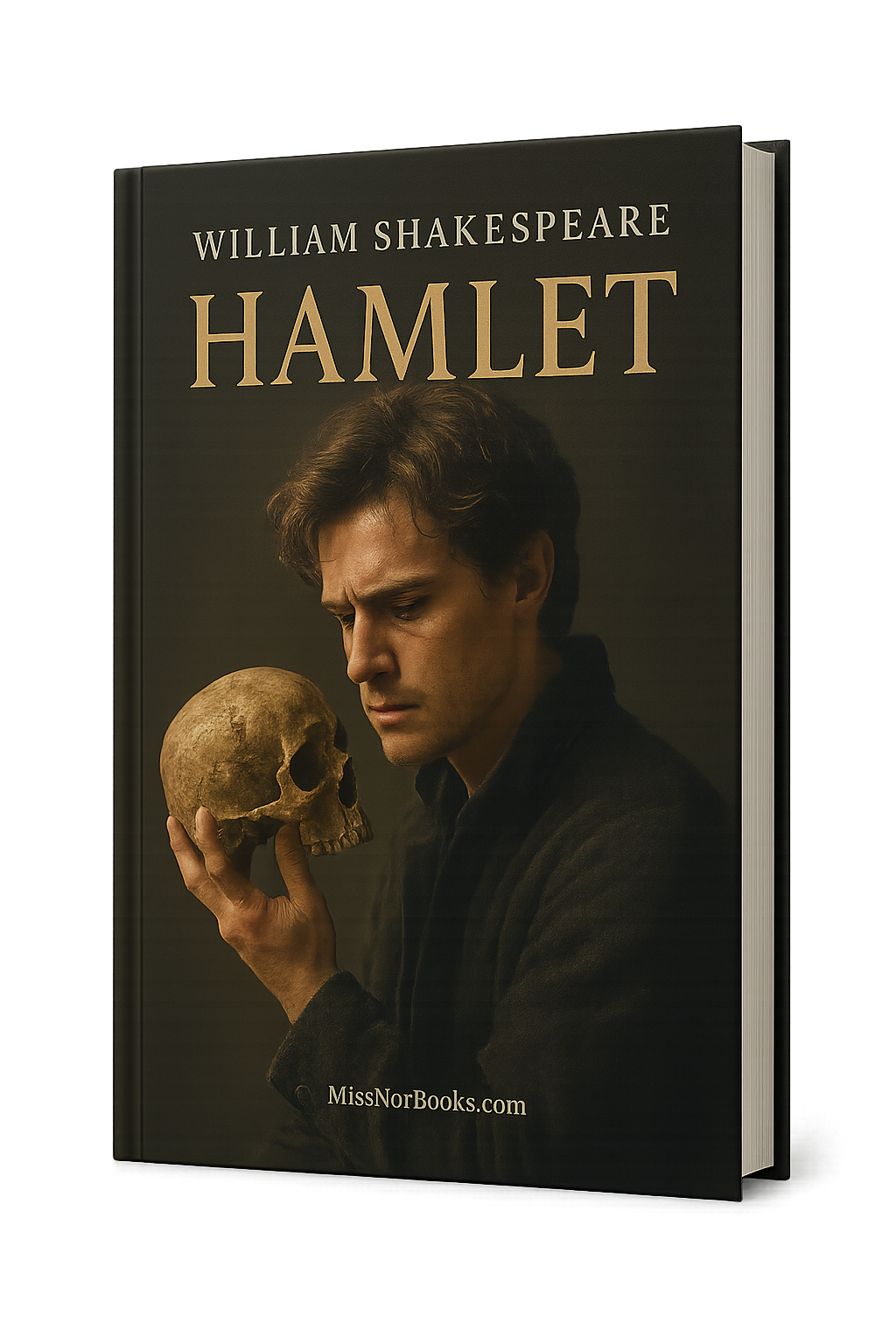
Hamlet
In the tapestry of literature, few works resonate with as much transformative power as the one that forever altered the landscape of dramatic storytelling and human introspection. This seminal piece presents a profound exploration of the human condition, grappling with themes of existence, morality, and the complexities of emotion. Its unparalleled depth and nuanced characters invite readers to interrogate their own beliefs and experiences, thereby revolutionizing the portrayal of inner turmoil and existential questioning that has influenced countless generations in art, psychology, and philosophy.
Don’t miss the opportunity to engage with one of the most influential works of all time. Buy it today and explore the depths of the human psyche and the intricate web of decision-making that shapes our lives.
Core Ideas and Main Arguments
- The Tragedy of Inaction: The protagonist’s struggle with indecision highlights the paralyzing effects of contemplation on action, emphasizing the conflict between thought and deed.
- Madness and Reality: The exploration of madness, both feigned and real, raises questions about sanity, perception, and the nature of truth in a world rife with betrayal.
- The Weight of Revenge: The moral complexities surrounding revenge challenge simplistic notions of justice, interrogating the personal costs associated with vendettas and moral obligation.
- Existential Inquiry: Through soliloquies that delve into philosophical dilemmas, the text foregrounds themes of existence, mortality, and the search for meaning in a chaotic world.
Author’s Intentions and Context
Written during a time of social upheaval and cultural rediscovery, the author sought to examine the intricacies of human emotion and the paradoxes of life and death. As England emerged from the constraints of medieval thought into the intriguing landscape of the Renaissance, this work responded to both the intellectual currents of the time and the personal strife of its creator. The author aimed to present a profound meditation on the human experience, challenging societal norms and delving deeply into the psychological nuances that govern behavior and relationships.
Structure of the Book
The work is organized into five acts, each carefully crafted to build upon the overarching themes of tragedy and introspection.
- Act I: Introduces the characters and the essential conflict, setting the stage for the unfolding drama.
- Act II: Expands on the central themes of betrayal and madness, complicating the characters' motivations.
- Act III: Features a pivotal moment of confrontation, where the protagonist's choices reflect deeper existential struggles.
- Act IV: Escalates the tension, illustrating the ramifications of revenge and the descent into tragedy.
- Act V: Culminates in a resolution that forces both characters and audience to confront the ultimate costs of ambition, desire, and revenge.
Key Takeaways
- Confront the Complexity of Choice: Readers will realize that decisions are seldom black-and-white and often carry profound consequences.
- Explore the Nature of Reality: The text urges individuals to question the authenticity of their perceptions and the reality of their experiences.
- Embrace the Human Experience: Through the tragic lens, it highlights the universal struggles of love, loss, and the quest for meaning.
Why It’s Important to Read
This work remains a cornerstone of not only literary study but also of psychological and philosophical inquiry. Its themes of revenge, madness, and morality are perennially relevant, making it indispensable for scholars, students, and anyone intrigued by the intricate dance of human motives and emotions. The rich character development invites readers to reflect on their own experiences, motivations, and moral dilemmas, ensuring that its insights are as applicable today as they were centuries ago.
Impactful Quotes and Analysis
-
“To be, or not to be: that is the question.”
This iconic line encapsulates the existential struggle inherent in the human condition, provoking profound reflection on life and mortality. -
“Frailty, thy name is woman!”
This statement reflects society's pervasive gender norms and expectations, provoking discussion regarding the dynamics of weakness and strength within human relationships. -
“Something is rotten in the state of Denmark.”
This metaphor underscores themes of decay and corruption in both political and moral realms, serving as a timeless commentary on governance and ethical integrity.
About the Author
William Shakespeare (1564-1616) is often regarded as the greatest playwright and poet in the English language. His expansive oeuvre covers a range of human experiences and emotions, merging poetic beauty with profound philosophical inquiry. Shakespeare's work has left an indelible mark on literature, theater, and the arts, inspiring countless authors, playwrights, and thinkers throughout the centuries and continuing to resonate with audiences today.
This monumental work is Hamlet by William Shakespeare, brought to you for educational purposes by MissNotBooks.com.