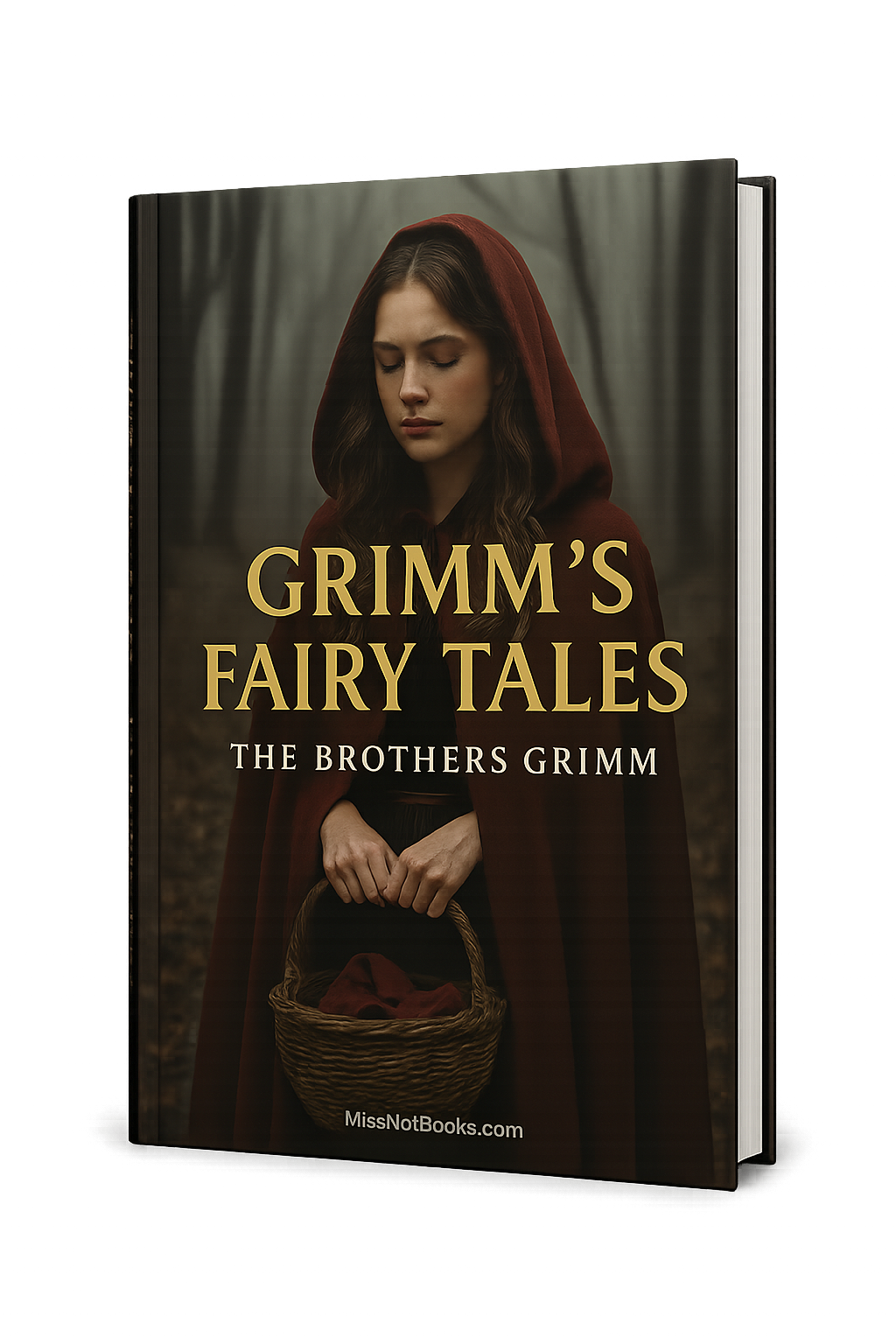
Grimm’s Fairy Tales
In an era marked by the relentless march of rationalism and the dawning of the Enlightenment, a collection of enchanting narratives emerged, forever altering the landscape of folklore and storytelling. This timeless compilation did more than entertain; it revolutionized the way tales were perceived, crafting a bridge between the innocence of childhood and the harsh truths of life. By resurrecting oral traditions and weaving them into a cohesive literary form, this foundational work challenged societal norms, illuminating the complex interplay of morality, culture, and human nature. Its influence can be felt across generations, inspiring writers, parents, and educators alike to recognize the profound power of narrative as a tool for wisdom and morality.
Core Ideas and Main Arguments:
- Moral Lessons: Each tale serves to impart critical lessons about virtues and vices, often highlighting the consequences of one's actions.
- Cultural Reflection: The stories reflect the customs, fears, and aspirations of the society from which they emerged, making them essential cultural texts.
- Symbolism and Archetypes: Rich in symbolic content, the narratives explore universal human themes such as fear, love, greed, and the quest for identity.
- Juxtaposition of Innocence and Reality: The tales oscillate between whimsical fantasy and grim realities, inviting readers to confront the complexities of the human experience.
Author’s Intentions and Context: The brothers intended to preserve the oral traditions of their homeland, Germany, during a time when industrialization threatened the rich tapestry of folklore. They sought to compile stories that would not only entertain children but also instill moral lessons reflective of their society's values. By doing so, they aimed to foster a sense of cultural identity, rekindling interest in the simple yet profound wisdom conveyed through these narratives.
Structure of the Book: The collection is organized into discrete tales, each with thematic coherence. The stories range from lighthearted to dark, showcasing a variety of characters—from cunning villains to innocent heroines. The sequence of stories thoughtfully alternates between straightforward morals and complex scenarios requiring deeper analysis, thereby reinforcing the overarching themes of morality and consequences.
Key Takeaways:
- The Complexity of Human Nature: Life is not always black and white; moral choices often exist in shades of gray.
- Cultural Preservation: The importance of preserving local traditions and stories as vital elements of cultural heritage.
- Timeless Relevance: The narratives remain applicable, resonating with contemporary issues faced by society today.
Why It’s Important to Read: Engaging with this anthology of tales is vital for those seeking to understand the evolution of children's literature and its societal implications. Educators, parents, and scholars will find value not only in the enjoyment these stories provide but also in the profound lessons they offer about humanity. The narratives encourage critical thought and emotional development, making them relevant for readers of all ages.
Impactful Quotes and Analysis:
- "All that glitters is not gold." This quote underscores the theme that true value often lies beneath the surface, inviting readers to look beyond appearances.
- "There is no place like home." This phrase evokes a deep sense of belonging and comfort, reflecting the universal human yearning for security and love.
- "Into the woods, it's time to go." This line reflects the journey into the unknown—symbolizing personal growth, adventure, and the inevitability of facing fears.
About the Author: The Brothers Grimm, Jacob Ludwig Karl Grimm (1785–1863) and Wilhelm Carl Grimm (1786–1859), were German scholars best known for their pioneering work in linguistics and literature. Their commitment to documenting and preserving German folklore not only enriched the literary world but also laid the groundwork for future fairy tale collections. Their legacy continues to inspire countless adaptations in literature, film, and popular culture, attesting to the timelessness of their narratives.
Don’t miss the opportunity to engage with one of the most influential works of all time. Buy it today and explore the timeless wisdom woven into the fabric of human experience. This monumental work is Grimm’s Fairy Tales by The Brothers Grimm, brought to you for educational purposes by MissNotBooks.com.