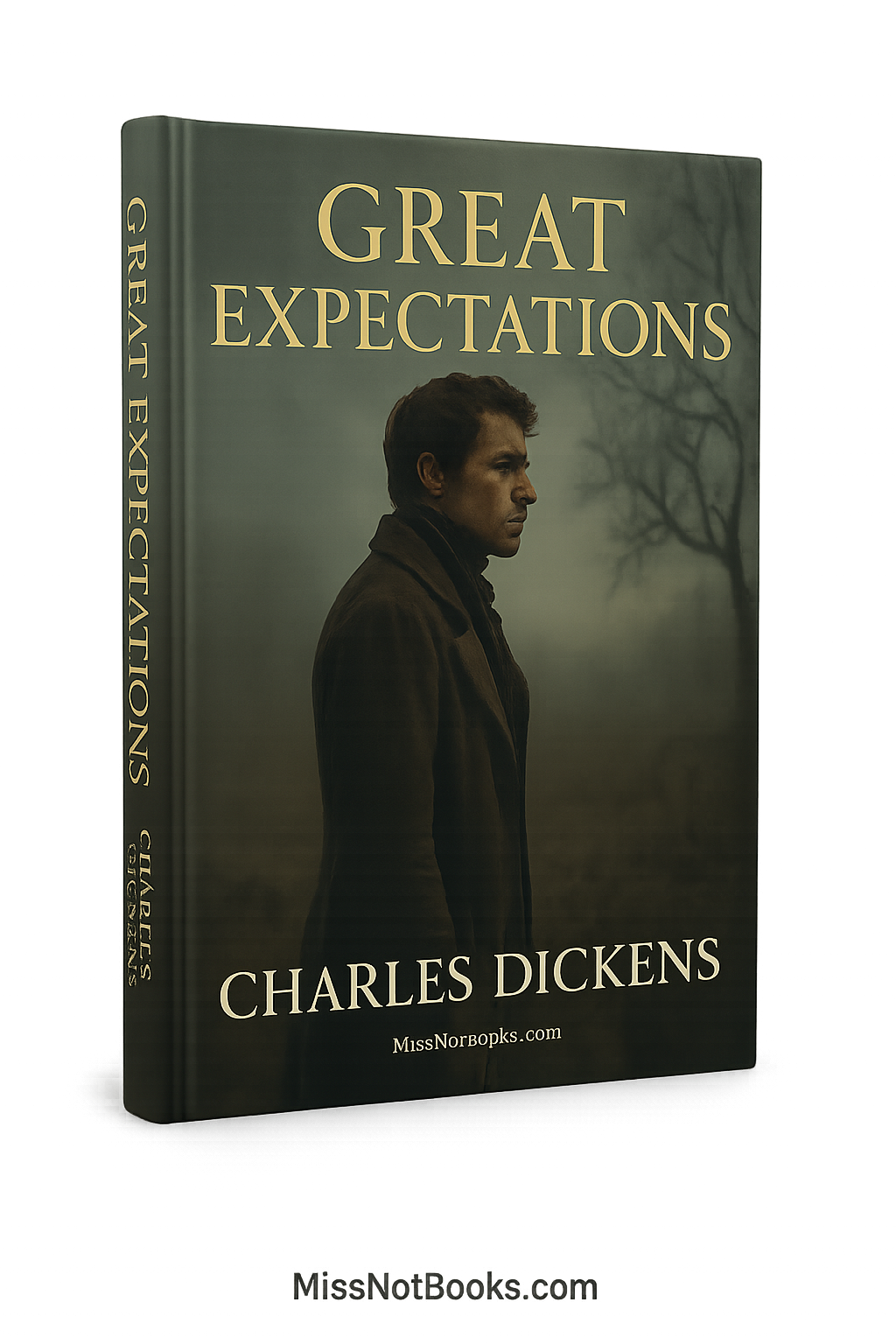
Great Expectations
In a world ripe for transformation, a narrative emerged that not only chronicled the complexity of human ambition but also redefined the very contours of social class and personal identity. This literary masterpiece challenged the status quo, inviting readers to confront the harsh realities of societal structures while offering a glimpse of hope and redemption through personal growth. Its profound insights into the human condition and the intricacies of relationships resonate across generations, making it a cornerstone of literary canon that continues to transform perspectives and inspire discussions about morality, ambition, and belonging. Don’t miss the opportunity to engage with one of the most influential works of all time. Buy it today and explore the foundation of modern storytelling.
Core Ideas and Main Arguments
- Social Class and Identity: The book critically examines the rigid social classes of Victorian England, highlighting how wealth and heritage influence personal identity and opportunity.
- Personal Growth and Redemption: A central theme is the protagonist’s journey toward self-understanding and moral rectitude, emphasizing that true worth is found in character rather than social status.
- The Nature of Expectations: The narrative probes the expectations placed upon individuals by society, family, and oneself, revealing how these pressures shape choices and life paths.
Author’s Intentions and Context
The author aimed to illuminate the complexities of human existence against the backdrop of a rapidly changing society. Written during the Victorian era, a time marked by industrialization and class stratification, the narrative responds to philosophical debates about individualism and social justice. The author sought to challenge readers to reconsider their values and the societal norms of their time, urging a reexamination of what it means to be truly successful.
Structure of the Book
- Introduction: The early chapters establish the protagonist's humble beginnings and introduce key characters that will shape his journey.
- Development of Plot: Throughout the middle sections, key events unfold that reveal the consequences of ambition and the pursuit of wealth.
- Climax and Resolution: The latter sections culminate in moments of revelation and ultimate transformation, allowing for reflection on the journey undertaken by the protagonist.
Key Takeaways
- Readers will recognize that social status and wealth do not equate to personal worth or happiness.
- The importance of integrity and self-discovery is highlighted, showing that true fulfillment comes from within.
- The impact of external expectations is examined, prompting reflections on how societal pressures shape personal ambitions and identities.
Why It’s Important to Read
This work remains relevant as it delves into timeless themes of ambition, social stratification, and personal development. Modern readers, whether scholars, students, or casual enthusiasts, will find rich layers of meaning that illuminate current societal dynamics. The intricate examination of character motivates introspection about one's own expectations and choices in life.
Impactful Quotes and Analysis
-
“I only ask to be free. The butterflies are free.”
This poignant line encapsulates the yearning for freedom from societal constraints, echoing the overarching theme of the struggle for autonomy. -
“It is a most miserable thing to feel ashamed of home.”
Here, the author powerfully conveys the emotional turmoil experienced by those caught between their roots and aspirations, inviting empathy toward characters grappling with their identities. -
“Take nothing on its looks; take everything on evidence.”
This call to discernment speaks to a deeper truth about the nature of appearances versus reality, urging readers to seek substance beneath the surface.
About the Author
Charles Dickens (1812-1870), a quintessential figure in Victorian literature, crafted narratives that brought to light the struggles of the marginalized. Renowned for his vivid characters and social commentary, Dickens's works reflect his experiences of poverty and hardship, which fueled his advocacy for social reform. He is celebrated not only for his literary genius but also for his lasting impact on the moral consciousness of society.
This monumental work is Great Expectations by Charles Dickens, brought to you for educational purposes by MissNotBooks.com.