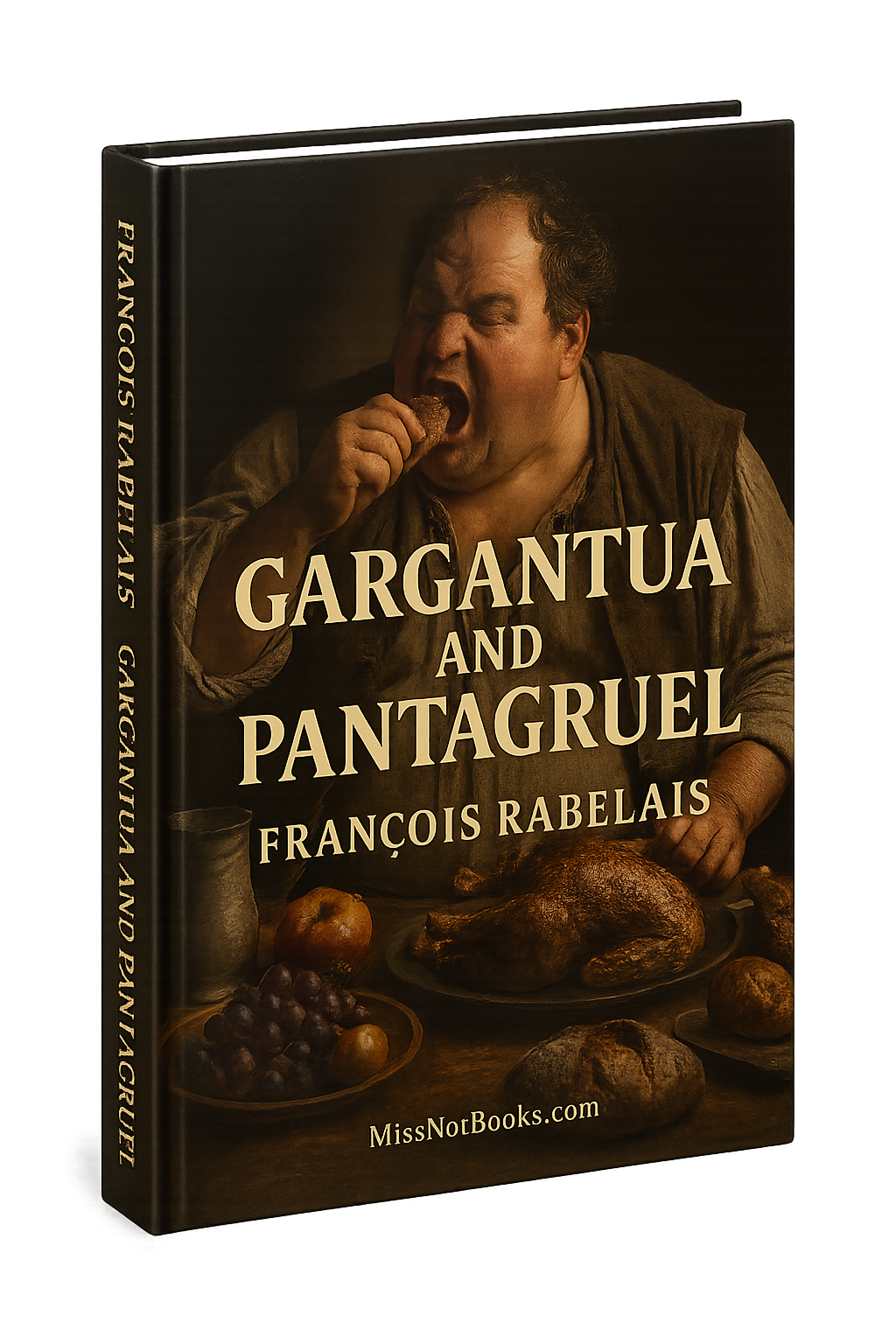
Gargantua and Pantagruel
In the pantheon of literary achievements, few texts have had the transformative impact of an extraordinary masterpiece that boldly challenged the conventions of its time. This work revolutionized the landscape of literature, philosophy, and satire during the Renaissance, introducing audacious ideas about humanity, society, and the quest for knowledge. By intertwining humor with profound criticism, it encouraged readers to reflect on the interplay between man’s vices and virtues, ultimately advocating for a more enlightened perspective on life. Entering its pages is not just an invitation to read but an opportunity to engage with one of the most influential works of all time. Buy it today and explore the roots of humanism and the quest for intellectual freedom.
Core Ideas and Main Arguments:
- Humanist Ideals: The text champions the rediscovery of classical knowledge and the importance of human reason, laying foundations for modern humanist thought.
- Satire as a Tool: It employs humor and satire to critique established institutions, including the Church and academia, challenging dogmas and promoting critical thinking.
- The Nature of Knowledge: A profound meditation on knowledge itself—its acquisition, value, and the often absurd ways through which it is pursued.
- The Duality of Existence: The narrative explores the themes of duality in human existence, reflecting the conflict between the physical and spiritual realms.
- Celebration of the Body: There’s a distinctive celebration of corporeality that blurs the line between the sacred and the profane, embracing both the body and the spirit in the human experience.
Author’s Intentions and Context:
In crafting this work, the author sought to push the boundaries of literature while reflecting the dynamic cultural shifts of the Renaissance. Faced with a period marked by growing intellectual curiosity and the tension between tradition and innovation, the author aimed to celebrate human potential against the backdrop of an increasingly dogmatic society. This era was ripe with challenges to established beliefs, and the text emerged as both a whimsical narrative and a serious philosophical inquiry into the nature of existence, morality, and knowledge.
Structure of the Book:
The book is organized into a series of chapters that each explore various themes and adventures of its titular characters. Segmented into distinct books, each section builds upon the last:
- Book I: Introduces the giants and sets the stage for the exploration of human conditions.
- Book II: Delves into the educational journeys and intellectual quests that define human experience.
- Book III: Features a deeper exploration of societal structures and critiques of contemporary norms.
- Book IV: Concludes the narrative with a reflection on the absurdity of life and the ongoing quest for truth.
Key Takeaways:
- The interplay of humor and philosophy reveals serious truths about human nature and society.
- Readers gain insight into the value of intellectual curiosity and the importance of questioning authority.
- The text’s rich tapestry illustrates the complexity of human existence, encouraging readers to reflect on their own lives.
- The celebration of the body serves as an empowering reminder of the physical aspect of the human experience.
Why It’s Important to Read:
The resonance of this work continues to echo through modern discourse, making it essential reading for anyone seeking to comprehend the evolution of literature, philosophy, and social critique. Its unflinching examination of the human condition engages not only scholars and historians but also anyone who values the interplay of humor and insight in navigating life’s complexities. From students of literature to aficionados of philosophical inquiry, this book offers profound and enduring insights that are as relevant today as they were upon publication.
Impactful Quotes and Analysis:
-
"I can answer for my observations, and I am not afraid of praising my own opinions."
This statement encapsulates the boldness of intellectual discourse—a call to be unreserved in one’s pursuit of truth and personal beliefs, a notion that still holds immense weight in contemporary discussions about knowledge. -
"All the world’s a stage, and men and women merely players."
Here, the author poignantly reflects on the performative aspects of human existence, urging readers to consider the roles they adopt and the inherent absurdities in life, a theme increasingly relevant in today’s world of social media and identity. -
"The power of knowledge is limitless."
Through this assertion, the author emphasizes the transformative potential of learning and self-awareness, reminding us of the profound and liberating capacity that comes from understanding our surroundings.
About the Author:
François Rabelais (c. 1494 – 1553) was a French Renaissance writer, physician, and humanist who significantly influenced the development of Western literature and thought. Known for his satirical and often bawdy prose, Rabelais used his works as a platform to challenge social norms, critique religious institutions, and promote humanist philosophies. His legacy endures through the profound themes and innovative styles present in his narratives, marking him as a pioneer of modern literature.
This monumental work is Gargantua and Pantagruel by François Rabelais, brought to you for educational purposes by MissNotBooks.com.