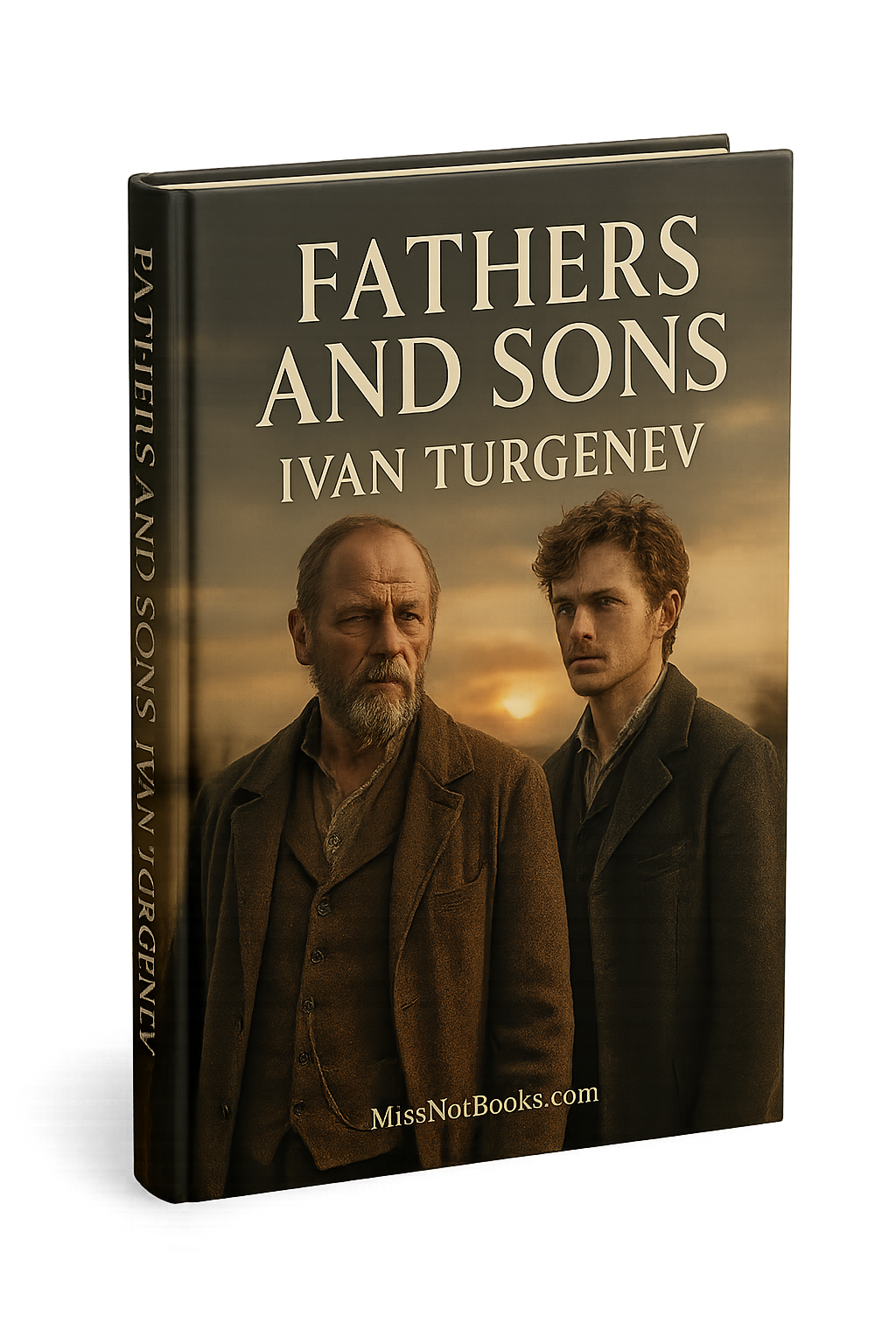
Fathers and Sons
In an era marked by profound societal shifts, a pivotal work emerged that forever altered the landscape of literature and thought. This seminal book challenged the conventions of its time, illuminating the generational rifts and ideological conflicts that defined a nation on the brink of modernity. It introduced readers to the nuances of human relationships against a backdrop of political and philosophical upheaval, ultimately laying the groundwork for a deeper understanding of the tensions between tradition and progress, love and alienation. Its resonance continues to echo in contemporary discussions of generational conflict and the search for identity. Don’t miss the opportunity to engage with one of the most influential works of all time. Buy it today and explore the roots of personal and political discourse.
Core Ideas and Main Arguments
- The generational divide: The book vividly portrays the differing ideals and values of parents and their children, showcasing the tension between traditionalism and burgeoning radical thought.
- Nature of love and friendship: It examines the complexities of human relationships, particularly the evolution of love, affection, and emotional bonds amidst changing sociopolitical landscapes.
- Nihilism and morality: The narrative challenges the rise of nihilism, questioning the moral compass of a new generation that rejects established norms.
- Individual versus society: It delves into the struggles of individuals in the face of societal expectations and the quest for personal authenticity.
Author’s Intentions and Context
The author embarked on a quest to dissect the ideological shifts occurring in 19th-century Russia, where traditional values were increasingly scrutinized by a younger, more revolutionary cohort. Amidst the backdrop of social change, the book sought to illuminate the emotional and philosophical toll of these tensions on personal lives. The combination of political liberalism, emerging scientific thought, and the turbulence of social upheaval served as the fertile ground from which this insightful narrative sprang.
Structure of the Book
The work is structurally divided into several key sections, which enhance its thematic exploration:
- Introduction of characters: Early chapters introduce the main figures and their contrasting beliefs, setting the stage for conflict.
- Development of relationships: Subsequent sections depict the complexities of these relationships through conversations and encounters, revealing deeper ideological divides.
- Climax and resolution: The narrative culminates in moments of intense personal conflict and reflection, forcing characters (and readers) to confront uncomfortable truths about society and themselves.
Key Takeaways
- Readers will understand the challenges faced by individuals torn between inherited values and the desire for change.
- The exploration of love and friendship highlights the importance of emotional connections amidst philosophical debates.
- The portrayal of nihilism invites critical reflection on morality and the implications of rejecting established belief systems.
Why It’s Important to Read
This book remains remarkably relevant, as it addresses universal themes of conflict between generations and the quest for identity in a rapidly changing world. Scholars, students, and anyone interested in psychology, sociology, or literature will find rich insights that resonate with contemporary dilemmas. Its nuanced exploration of human experience deepens our understanding of social change and the personal struggles that accompany it, offering timeless lessons on empathy and connection.
Impactful Quotes and Analysis
-
"The future belongs to those who believe in the beauty of their dreams."
This quote encapsulates the theme of hope and aspiration, suggesting that belief in a better future is essential for progress. -
"To be a man is to be a unique, irreplaceable being in the world."
Here, we find a call for individuality and personal authenticity, which resonates deeply in discussions about self-identity today. -
"How often people are capable of good, yet choose evil."
This reflection poignantly critiques the moral complexities of human nature, inviting readers to consider their own ethical choices amidst societal pressures.
About the Author
Ivan Turgenev (1818–1883) was a Russian novelist, playwright, and short story writer, known for his profound exploration of the human condition and social issues of his time. As one of the leading figures of Russian literature, Turgenev's works are celebrated for their character development and insight into the intellectual landscape of his era. His exploration of themes such as love, nature, and existential despair continues to influence writers and thinkers worldwide.
This monumental work is Fathers and Sons by Ivan Turgenev, brought to you for educational purposes by MissNotBooks.com.