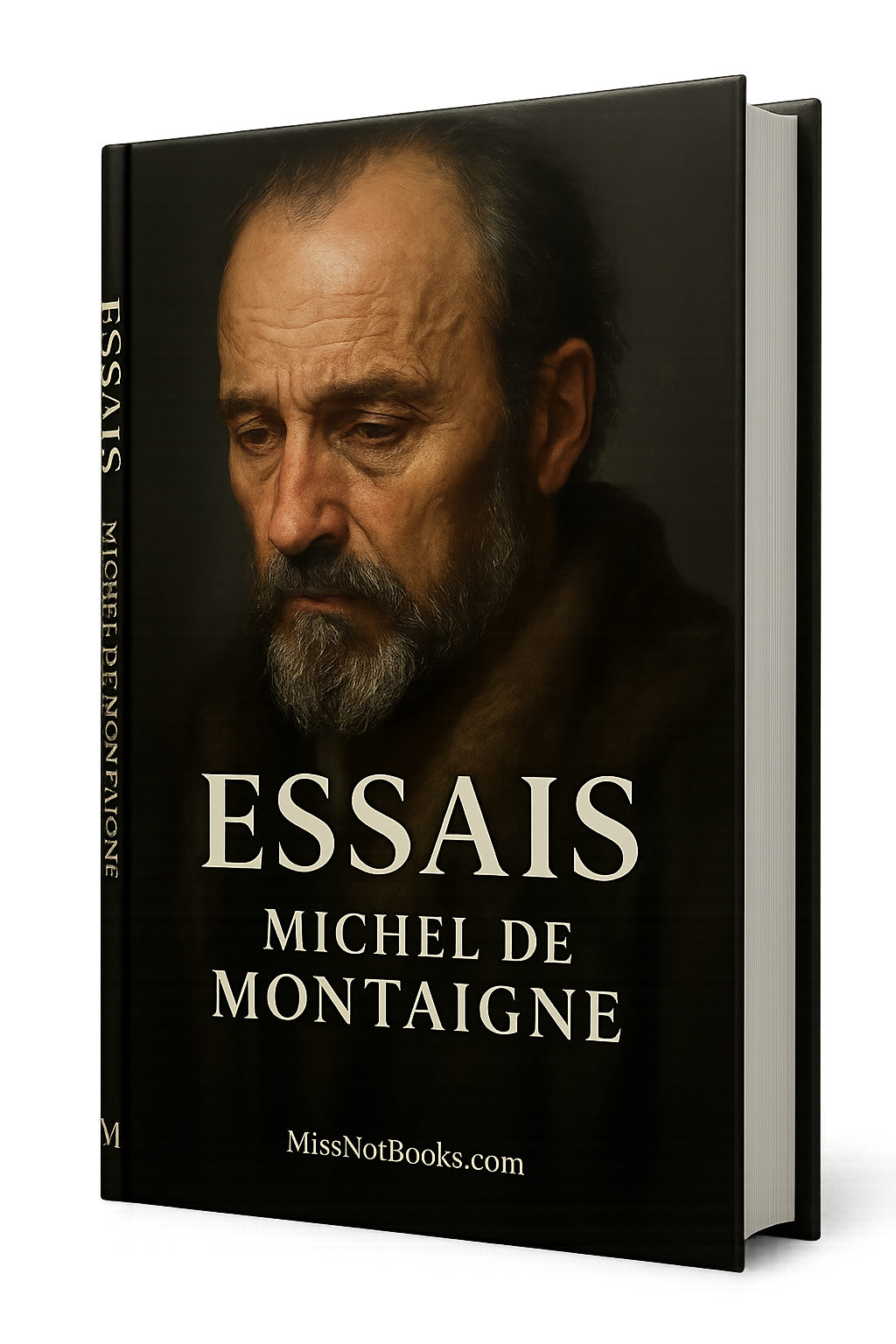
Essais (Essays)
In an era marked by rigid doctrines and dogma, a groundbreaking collection of reflections emerged to challenge the status quo, igniting a profound transformation in how we understand ourselves and our existence. This work not only revolutionized the art of essay writing but also laid the groundwork for modern skepticism and self-exploration, inviting readers to embrace ambiguity, doubt, and personal reflection. Its impact reverberated through the ages, influencing the Enlightenment and reshaping the landscape of philosophical discourse. Prepare to delve into an exploration that questions preconceived notions and advocates for the necessity of personal inquiry.
Core Ideas and Main Arguments
- Human Complexity: The book posits that human nature is multifaceted and cannot be fully understood through binary classifications or dogmatic approaches.
- Skepticism as a Method: It promotes skepticism not as despair or cynicism, but as a tool for intellectual honesty—encouraging readers to question accepted truths and seek personal understanding.
- Personal Experience: Emphasizing the subjective nature of knowledge, it argues that individual experiences are vital to forming truthful understandings of the world.
- Integration of Philosophical and Personal Voices: The author weaves personal anecdotes with philosophical musings, demonstrating the interconnectedness of life and thought.
- Cultural Relativism: It explores the idea that cultural practices and beliefs are varied and subjective, calling for a more tolerant viewpoint towards others' ways of life.
Author’s Intentions and Context
The author aimed to forge a new path in the philosophical landscape of the Renaissance, at a time when rigid scholasticism dominated. Responding to a world in transition—between medieval thought and modern humanism—he sought to articulate a more personal approach to philosophy. The book addresses the cultural challenges of his time, such as the dogmatism of religious and academic institutions, and promotes the value of individual insight and the acceptance of human fallibility.
Structure of the Book
The work is organized thematically into chapters, each tackling different aspects of human experience—ranging from friendship and education to death and the complexities of human behavior. Each section builds upon the previous themes, creating a tapestry of ideas that culminates in a holistic understanding of the self in relation to the world. The fluidity of the structure mirrors the author’s belief in the organic nature of thought and reflection.
Key Takeaways
- Embrace Uncertainty: The text encourages readers to accept that certainty is often an illusion, prompting a more open-minded exploration of life's questions.
- Value of Self-Reflection: Personal introspection is positioned as a critical avenue for understanding broader human truths.
- Importance of Diversity in Thought: Recognizing the worth of various perspectives enriches one’s own understanding and promotes tolerance.
Why It’s Important to Read
This book remains profoundly relevant as it addresses timeless human concerns—identity, mortality, and the nature of knowledge. Its insights are invaluable to anyone seeking deeper meaning in their lives or grappling with the complexities of human interaction. Philosophers, historians, and everyday readers will find in its pages a mirror reflecting their own thoughts and experiences, urging them to embark on their unique journeys of self-discovery.
Impactful Quotes and Analysis
-
“I am myself the subject of my study.”
This poignant declaration encapsulates the essence of the author's approach, highlighting the significance of personal experience and introspection in understanding the self. It inspires readers to consider their own lives as rich fields for exploration. -
“The greatest thing in the world is to know how to belong to oneself.”
The power of this statement lies in its assertion of individual autonomy and self-acceptance, suggesting that true belonging emerges from understanding oneself rather than conforming to external expectations.
About the Author
The author, Michel de Montaigne (1533–1592), was a French philosopher and essayist whose innovative method of self-exploration and reflection helped establish the essay as a literary form. His work has left an indelible mark on Western thought, influencing countless generations of writers and thinkers. Montaigne's legacy lies in his ability to articulate the nuances of human experience and the importance of self-awareness, making him a cornerstone of modern philosophy.
Don’t miss the opportunity to engage with one of the most influential works of all time. Buy it today and explore the beauty of human language. This monumental work is Essais by Michel de Montaigne, brought to you for educational purposes by MissNotBooks.com.