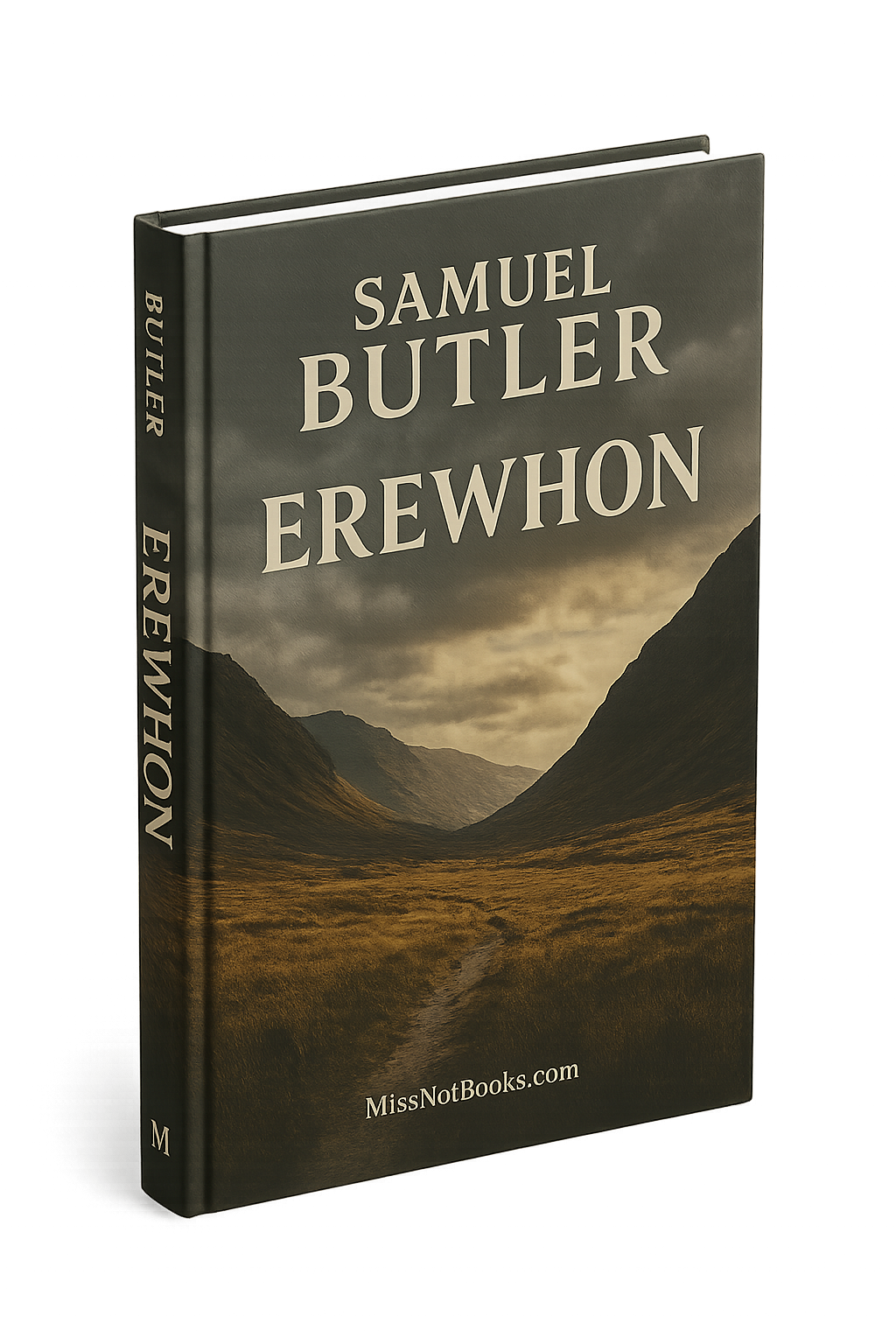
Erewhon
In the landscape of literature, few works have challenged societal norms with the audacity and insight found within the pages of a remarkable exploration of human nature, machines, and morality. This seminal text goes beyond mere storytelling; it serves as a profound critique of contemporary Victorian society, laying the groundwork for discussions that resonate with modern issues of ethics, technology, and individuality. Its visionary perspective remains strikingly relevant, propelling its readers to reconsider the balance between progress and human values. Don’t miss the opportunity to engage with one of the most influential works of all time. Buy it today and explore the beauty of human morality and the evolution of societal norms.
Core Ideas and Main Arguments
- Critique of Progressivism: The book questions the blind faith in technological advancements and industrial progress, highlighting potential moral and societal drawbacks.
- Human vs. Machine: It posits a thought-provoking relationship between humanity and machinery, pondering whether machines might surpass human intelligence and ethical considerations.
- Societal Reflection: Through its satirical lens, the text reflects the absurdities of contemporary cultures, revealing underlying contradictions in Victorian values and beliefs.
- Identity and Individuality: The narrative champions personal conscience and the struggle of the individual against societal expectations and norms.
Author’s Intentions and Context
The author set out to illuminate the philosophical and ethical dilemmas arising from rapid industrialization and modernization. Writing during a time when England was deeply engrossed in the throes of the Industrial Revolution, the text responds to the burgeoning relationship between humans and their creations—machines. It serves as both a cautionary tale and a philosophical inquiry into moral integrity, challenging the reader to contemplate the consequences of unchecked ambition and technological dependence.
Structure of the Book
The book is organized into distinct sections that build upon one another:
- Prologue: Introduces the utopian landscape of Erewhon, setting the stage for the ensuing critique.
- Traveler's Journey: Chronicles the protagonist’s adventures and encounters in Erewhon, offering a lens through which societal norms can be scrutinized.
- Philosophical Dialogues: Engages characters in discussions that delve into the implications of morality, machine evolution, and the essence of true humanity.
- Conclusion: Ties together the various threads of the narrative, driving home the central themes and illustrating a hopeful yet cautionary vision for the future.
Key Takeaways
- The intricacies of humanity are brought into stark relief against the backdrop of an increasingly mechanized world.
- Readers will recognize the potential dangers of allowing technology to dictate human experience and morality.
- The exploration of societal absurdities encourages critical thinking about the structures that govern our lives and the choices we make as individuals.
Why It’s Important to Read
This book is not merely a product of its time; it is a timeless reflection on the interplay of civilization and morality that resonates throughout generations. As we continue to navigate complex relationships with technology and confront ethical questions in an ever-evolving world, this work remains a vital contribution to the discourse. It is essential reading for students of philosophy, sociology, technology, and literature, as well as for anyone interested in the profound questions regarding the essence of humanity and the future of society.
Impactful Quotes and Analysis
-
“The greatest pleasure in life is doing what people say you cannot do.”
- This quote encapsulates the spirit of defiance and the pursuit of individuality against societal limitations, emphasizing the importance of personal agency.
-
“The problem of the moral is the problem of life.”
- Here, the author invites readers to consider the intrinsic connection between ethical dilemmas and the essence of living, urging them to reflect on the moral implications of their everyday choices.
-
“Life is a series of contradictions.”
- This poignant observation underscores the theme of complexity inherent in human existence, suggesting that navigating these contradictions is essential for true understanding and growth.
About the Author
Samuel Butler (1835-1902) was a visionary thinker, novelist, and social critic, widely recognized for his incisive commentary on the interplay of technology and society. Born in England, he rose to fame through works that challenged Victorian ideals and explored progressive themes. His intellectual legacy remains significant, influencing a wide range of fields, from literature and philosophy to early thoughts on evolutionary theory and artificial intelligence.
This monumental work is Erewhon by Samuel Butler, brought to you for educational purposes by MissNotBooks.com.