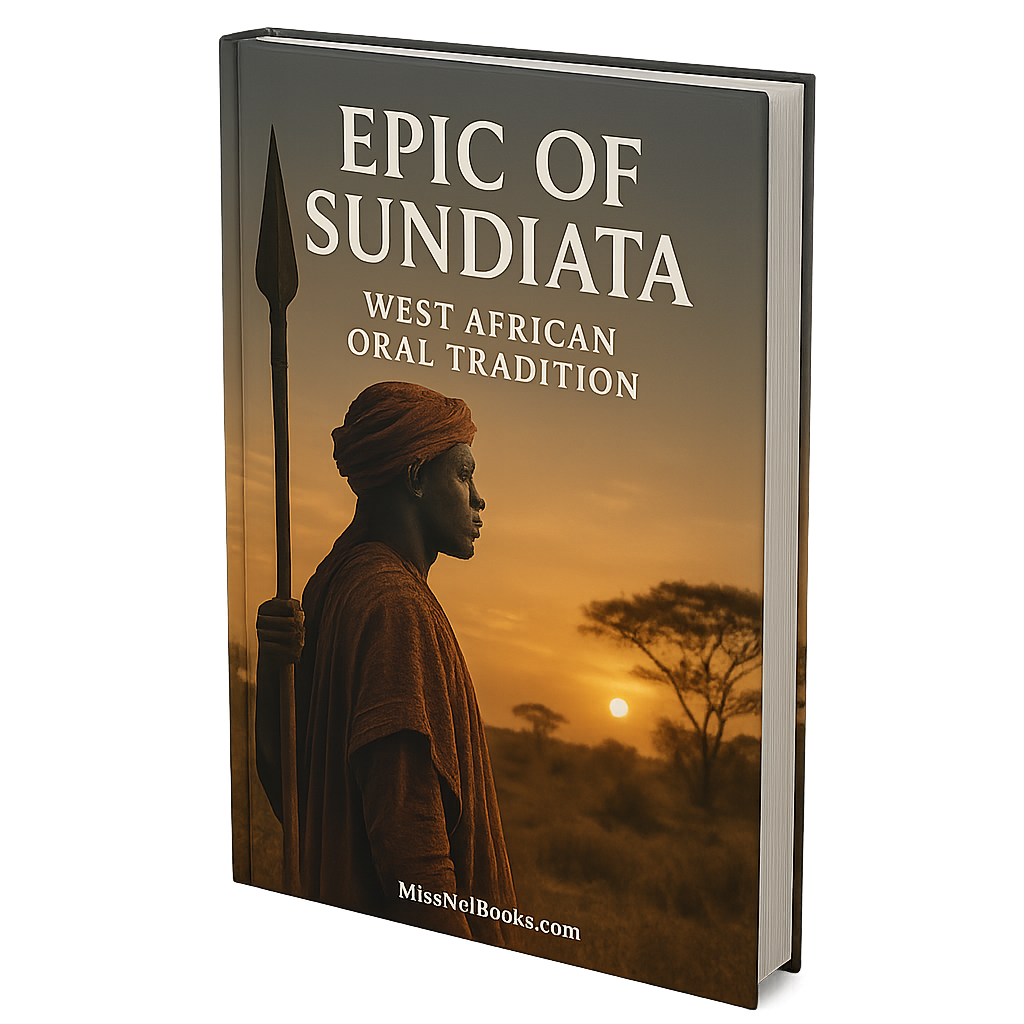
Epic of Sundiata
In an age marked by the quest for identity and heritage, a monumental narrative emerged from the heart of West Africa, fundamentally transforming the understanding of oral tradition and cultural storytelling. This epic tale not only chronicles the rise of a legendary figure but also serves as a testament to the resilience and richness of African history and culture. Through its profound lessons on leadership, community, and the human spirit, it challenges prevailing narratives of history and offers a holistic view of governance and social cohesion. The impact of this work is nothing short of revolutionary, inviting readers to appreciate the depth and artistry of oral literature while reestablishing the importance of indigenous voices in the global discourse.
Core Ideas and Main Arguments:
- Heroism and Identity: The epic showcases the values of heroism, courage, and self-identity, emphasizing the significance of lineage and the historical roots of a community.
- Social Cohesion: It highlights the role of kinship, community, and the collective spirit in overcoming adversity and uniting people for a common purpose.
- Leadership and Governance: The story offers insightful reflections on the qualities of effective leadership, bravery, and strategic thinking through the journey of its protagonist.
- Cultural Preservation: It challenges the erasure of African narratives by encapsulating the importance of oral history in preserving cultural legacies and shaping collective memories.
Author’s Intentions and Context: The creators of this epic sought not only to entertain but to educate and preserve the history and values of their society for future generations. At a time when colonial narratives threatened to overshadow African histories, this narrative asserted a powerful counter-narrative, emphasizing local traditions and experiences. It aimed to inspire pride among its listeners and reinforce the values that bind communities, addressing the philosophical dilemmas surrounding identity and cultural integrity.
Structure of the Book: The epic unfolds in several thematic parts, each delineating key events in the life of the protagonist, Sundiata Keita. Often divided into sections that depict his birth, trials, rise to power, and the establishment of the Malian Empire:
- The Prologue: Introduces the significance of Sundiata's lineage and foreshadows his destined greatness.
- Trials and Tribulations: Chronicles his challenges and the forces against him, highlighting his perseverance.
- The Rise to Power: This section illustrates Sundiata's journey toward consolidating power and redefining leadership in Mali.
- The Establishment of the Empire: Concludes with the formation of a united state rooted in his ideals of justice and unity.
Key Takeaways:
- The importance of personal and collective identity in shaping a nation's history.
- How storytelling can serve as a crucial tool for cultural preservation and continuity.
- The enduring qualities of effective leadership, including empathy, strategic foresight, and communal responsibility.
Why It’s Important to Read: Engaging with this epic is essential for anyone interested in the foundations of African culture, history, and oral tradition. It offers invaluable insights into the complexities of leadership and community dynamics that remain relevant in today’s socio-political landscape. Students, historians, and culture enthusiasts will find resonance in its themes of resilience and identity, inspiring a deeper appreciation for the rich tapestry of African narratives.
Impactful Quotes and Analysis:
-
"The man who has no title is like a wild animal."
- This quote underscores the significance of status and identity in African cultures, emphasizing how self-worth and community standing shape individual experience and societal engagement.
-
"A single tree cannot make a forest."
- Highlighting the essence of unity and collective effort, this quote resonates as a powerful reminder of the strength found in community partnerships, crucial for achieving significant change.
-
"He who does not know his history is like a lost child."
- This statement speaks to the vital role of historical awareness in guiding present and future generations, advocating for the continual exploration of one’s roots and traditions.
About the Author: The Epic of Sundiata emerges from the rich oral traditions of West Africa, attributed to numerous unnamed storytellers and historians. It has been passed down through generations, often recited by griots—traditional poets and historians who sustain this art form. The epic encapsulates the cultural heritage and legacy of the Malian Empire, which flourished in the 13th century, and continues to influence contemporary African literature and identity.
Don’t miss the opportunity to engage with one of the most influential works of all time. Buy it today and explore the roots of African cultural identity and heritage. This monumental work is Epic of Sundiata by West African Oral Tradition, brought to you for educational purposes by MissNotBooks.com.