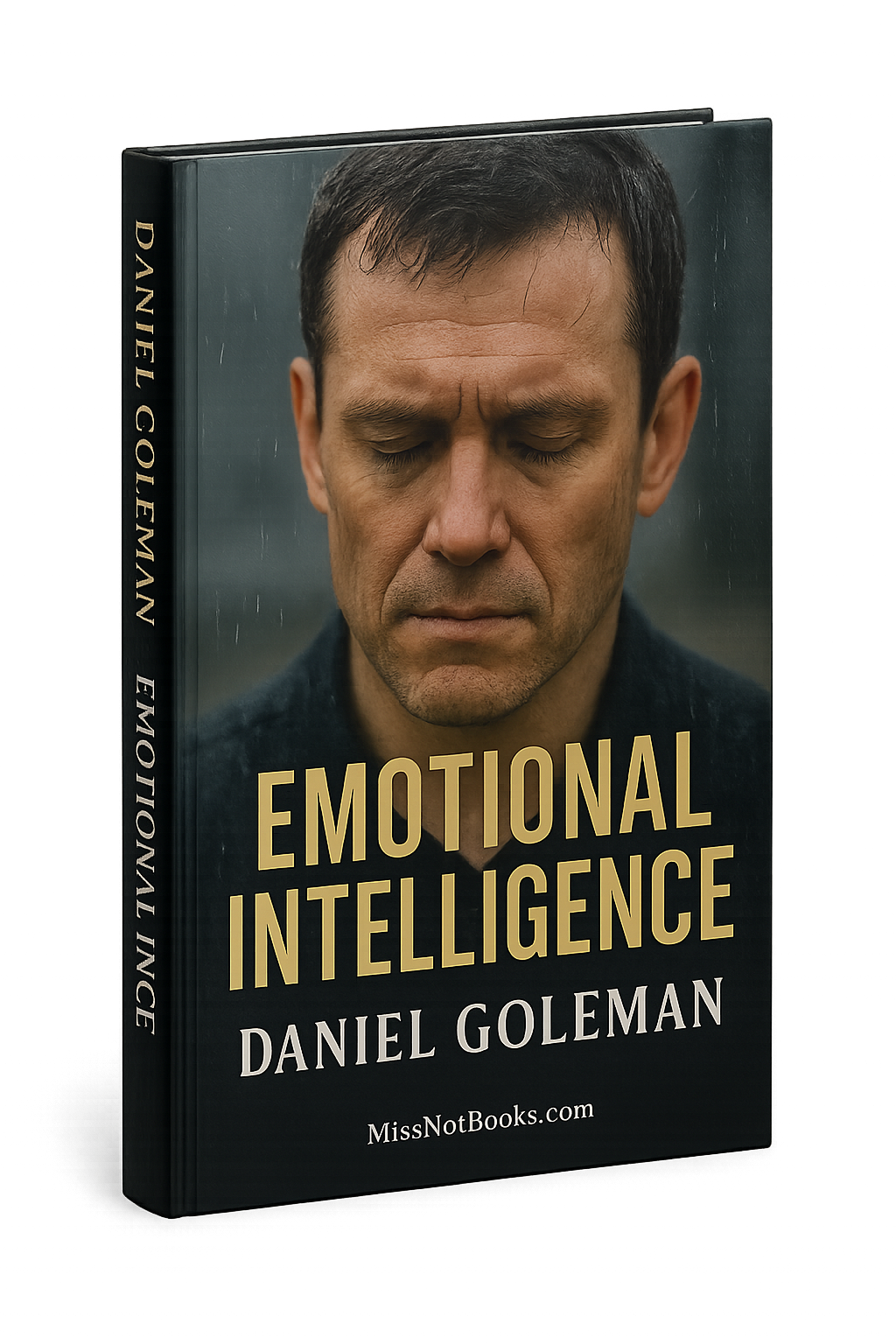
Emotional Intelligence
In the vast landscape of self-help and psychological literature, one seminal work stands out for its profound impact on how we understand human emotions and interpersonal relationships. This transformative book revolutionized the way we perceive intelligence by challenging the traditional norms that equate intellectual capacity solely with cognitive ability. By introducing a new paradigm of emotional intelligence, it opened the door to a richer understanding of human behavior, emphasizing the intricate interplay between emotions and success in both personal and professional lives. Its insights have catalyzed a movement that continues to influence education, leadership, and personal development practices around the globe.
Core Ideas and Main Arguments:
- Emotional Intelligence Defined: The author delineates emotional intelligence as the ability to recognize, understand, and manage our own emotions, as well as the emotions of others.
- The Role of Emotional Competence: The work discusses key competencies such as self-awareness, self-regulation, empathy, and social skills, elucidating how these traits contribute to personal effectiveness and fulfilling relationships.
- The Science of Emotion: It bridges psychological research and practical application, drawing on studies that illustrate the physiological and neurological underpinnings of emotional responses.
- Impact on Leadership and Relationships: The text argues that emotional intelligence is a significant predictor of leadership effectiveness and career success, as well as a vital component in forming meaningful relationships.
Author’s Intentions and Context: The author sought to illuminate the often overlooked aspects of human intelligence, particularly in an era heavily dominated by IQ-centric views. Responding to growing concerns about the limitations of traditional education and the rigid parsing of cognitive achievement, he aimed to shift the discourse towards recognizing emotional and social abilities as equally vital. This book emerged within a context of burgeoning interest in psychology, not just as a field of academic inquiry but also as a practical guide for improving life skills and fostering better interpersonal interactions.
Structure of the Book:
- Introduction to Emotional Intelligence: A comprehensive overview of the concept and its importance.
- Self-Awareness: Explores the role of recognizing one’s emotions and understanding their influence.
- Self-Regulation: Discusses techniques for managing emotions and impulses for improved decision-making.
- Empathy: Investigates the ability to understand and respond to the emotions of others effectively.
- Social Skills: Highlights the competencies necessary for effective communication and relationship management.
- Application in Various Domains: The final sections apply the principles of emotional intelligence to areas such as education, the workplace, and personal development.
Key Takeaways:
- Emotional intelligence is just as crucial, if not more so, than traditional cognitive intelligence in determining personal and professional success.
- Developing emotional competencies can lead to healthier relationships and effective leadership.
- Self-awareness and empathy are foundational skills that can enhance communication and collaboration.
Why It’s Important to Read: This book remains a cornerstone text in understanding human behavior and interpersonal dynamics. Its relevance endures as workplaces increasingly recognize the value of soft skills in leadership and collaboration. Educators, business leaders, mental health professionals, and individuals seeking personal growth will find indispensable insights within its pages. By delving into the principles of emotional intelligence, readers can better navigate their own emotions and foster more meaningful connections with others.
Impactful Quotes and Analysis:
-
“In a very real sense we have two minds, one that thinks and one that feels.”
This quote encapsulates the fundamental premise of the work, emphasizing the dual nature of human cognition and the necessity of integrating emotional awareness with rational thought. -
“Emotional intelligence is about the way we manage ourselves and our relationships.”
This statement highlights the practical implications of emotional intelligence, underscoring its applicability in everyday interactions and the management of our emotions. -
“Success in life, in work, in relationships, is largely determined by how well we understand and work with our emotions.”
Here, the author poignantly asserts that emotional competencies are essential for achieving fulfillment and success in various spheres of life, reaffirming the argument for its critical importance.
About the Author: Daniel Goleman, born on March 7, 1946, is an American psychologist and science journalist known for his work on emotional intelligence, mindfulness, and social-emotional learning. His groundbreaking research has earned him a prestigious place in the fields of psychology and education, influencing countless professionals and enhancing our understanding of how emotional skills affect workplace dynamics and personal relationships. Goleman’s legacy is firmly rooted in fostering a more emotionally aware society, as he continues to advocate for the recognition of emotional intelligence as a vital component of overall success.
This monumental work is Emotional Intelligence by Daniel Goleman, brought to you for educational purposes by MissNotBooks.com.