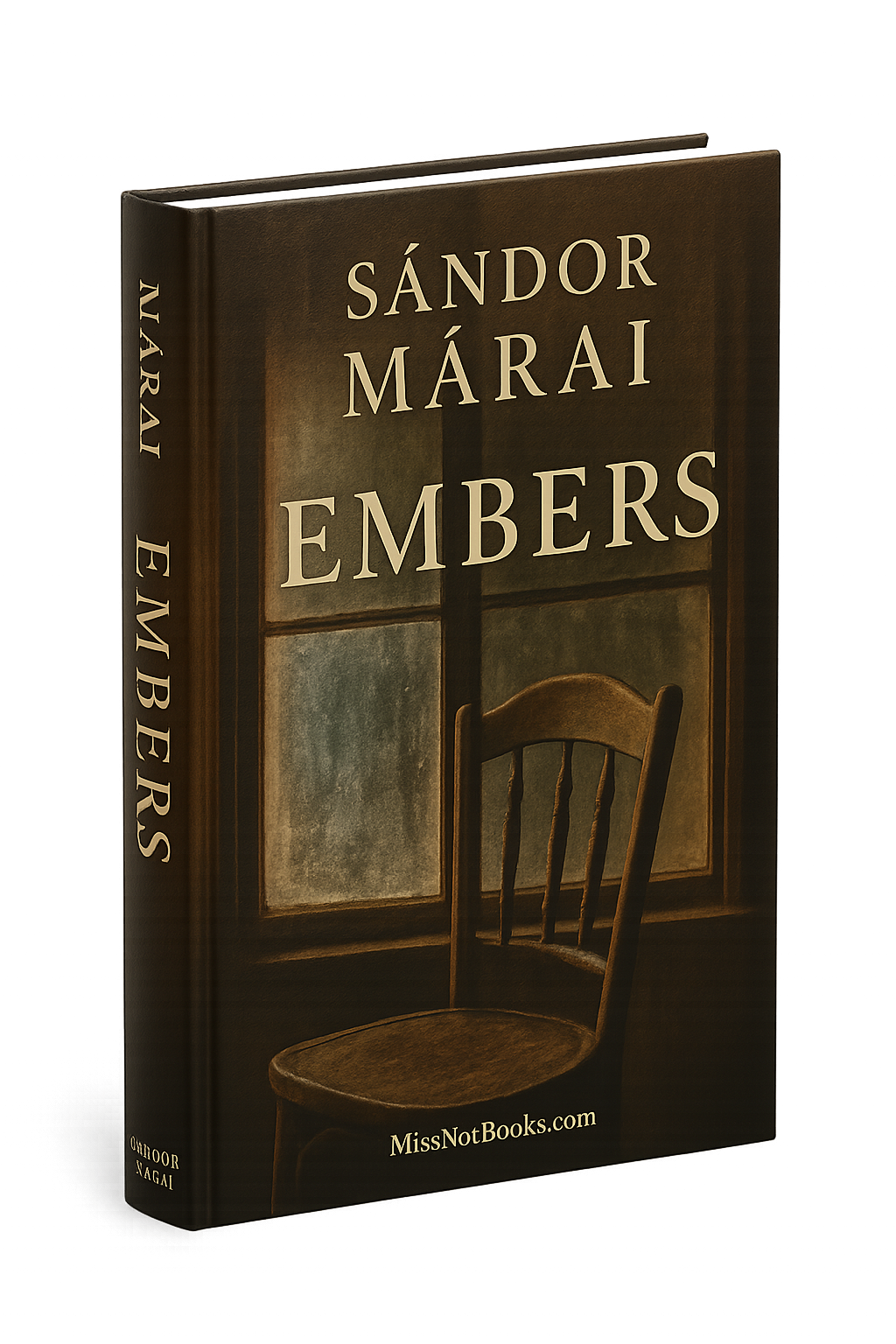
Embers (A gyertyák csonkig égnek)
In a world marked by upheaval and societal transformation, few works capture the complexities of human relationships and the inexorable passage of time with such poetic clarity. This book offers an intimate exploration of the intricacies of friendship, love, and betrayal, challenging conventional narratives about connection and isolation. It delves into the psychological landscapes of its characters, revealing the depths of their emotions and the burden of their pasts. This transformative work reverberates across generations, inviting readers to ponder the profound impact of personal choices within the broader tapestry of human experience. Don’t miss the opportunity to engage with one of the most influential works of all time. Buy it today and explore the beauty of human language.
Core Ideas and Main Arguments
- The Nature of Friendship: Explores the unwavering bond between two men, examining how loyalty and betrayal shape their identities and destinies.
- Time and Memory: Analyzes how the passage of time impacts relationships, as characters grapple with nostalgia and the unresolved issues of their past.
- Existential Reflection: Encourages readers to confront their own choices and the significance of their relationships, questioning what it means to truly connect with another person.
- Isolation and Yearning: Portrays the melancholic state of individuals trapped in their own thoughts, suggesting that true communication is often fraught with barriers and misunderstandings.
Author’s Intentions and Context
The author aimed to capture the essence of human existence in a rapidly changing world, particularly the intertwined destinies of individuals during a time of political turmoil and existential dread in Europe. Responding to the complexities of the early 20th century, he challenged readers to reflect on the fragility of human connections amidst upheaval. This work serves as a poignant meditation on the sacrifices made for love and the irrevocable consequences of unresolved conflicts.
Structure of the Book
- Opening Scenes: Introduces the characters and sets a reflective tone, presenting their intertwined lives against the backdrop of the changing social landscape.
- Dialogue and Confrontation: Comprises profound conversations that reveal the emotional and psychological states of the characters, building tension and highlighting their unresolved conflicts.
- Climactic Revelations: Unveils secrets from the past that alter the characters' perceptions of one another, culminating in moments of intense vulnerability and honesty.
- Conclusion: Reflects upon the enduring nature of relationships, even in the face of betrayal, leaving readers with a poignant sense of closure and contemplation.
Key Takeaways
- Relationships are deeply complex; loyalty can hide betrayal, and true understanding often eludes us.
- The influence of the past is inescapable, shaping who we are and how we relate to others.
- The profound weight of nostalgia can illuminate or obscure our present realities, leading to both beauty and sorrow.
Why It’s Important to Read
This work possesses an enduring relevance that transcends time and culture, resonating with anyone who has experienced the intricate dance of human relationships. It is particularly resonant for those navigating the complexities of adulthood—the deep-seated fears of isolation and the yearning for authentic connection. Readers seeking insight into their own emotional landscapes will find invaluable reflections within its pages, making this a crucial addition to the canon of modern literature.
Impactful Quotes and Analysis
- “We are deceived by the moments of happiness we create.” This line underscores the transient nature of joy and the illusion of control over our emotional landscapes, inviting readers to reflect on the fleeting nature of satisfaction.
- “Memory is a faithful servant, but it is a treacherous friend.” Here, the author poignantly articulates the dual nature of memory, highlighting its ability to evoke both comfort and pain, ultimately shaping our identities through selective recollection.
- “In the silence between us, everything is said.” This powerful statement encapsulates the depth of unspoken words in relationships, revealing how silence can often convey emotions more profound than words themselves.
About the Author
Sándor Márai (1900-1989) was a Hungarian writer renowned for his incisive explorations of human nature and relationships. His literary career flourished in the early to mid-20th century, during which he produced numerous works that delved into themes of love, loss, and the complexities of the human condition. Exiled from Hungary after World War II, Márai continued to write, leaving behind a rich legacy celebrated for its emotional depth and psychological insight.
This monumental work is Embers (A gyertyák csonkig égnek) by Sándor Márai, brought to you for educational purposes by MissNotBooks.com.