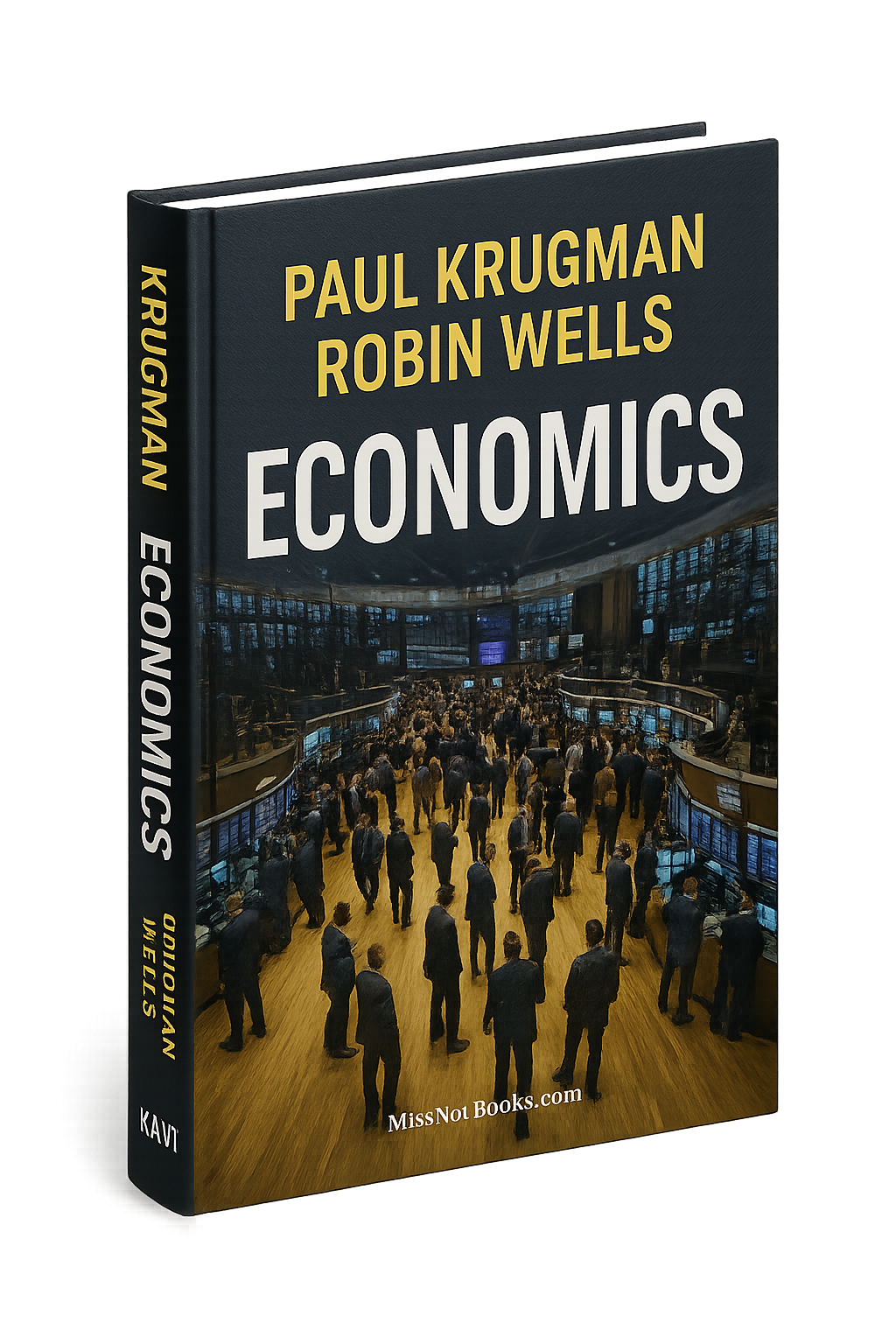
Economics
In a world increasingly shaped by the intricacies of commerce, trade, and individual choices, a transformative work emerged that reshaped how we think about economics and the forces at play in our society. This book not only redefined the understanding of economic principles but also democratized complex ideas, making them accessible to a broader audience. With its incisive analysis and engaging narrative, it has become a cornerstone of contemporary economic education, challenging entrenched notions and advocating for a more nuanced view of economic systems and policies.
Core Ideas and Main Arguments
- Interconnectedness of Economies: The book highlights the critical link between global markets, emphasizing how local economies are impacted by international events and policies.
- Role of Government: It argues for the necessity of government intervention in mitigating market failures and addressing inequalities, asserting that unchecked markets can lead to social harm.
- Behavioral Economics: The text introduces the impact of psychology on economic decisions, moving beyond traditional models that assume rational behavior and highlighting the complexities of human decision-making.
- Sustainability and Growth: It explores the balance between economic growth and environmental sustainability, urging readers to consider the long-term implications of economic actions.
Author’s Intentions and Context
Written in a time of significant economic turmoil, this book aims to equip readers with the tools necessary to navigate and understand the shifting landscape of global finance. The authors sought to respond to the shortcomings of conventional economic teachings that often excluded broader societal impacts, thereby fostering a more inclusive discourse that reflects the realities of modern economies. In doing so, they addressed pressing challenges of their time, such as income inequality, unemployment, and the volatility of financial markets, propelling discussions that are critical for the ongoing pursuit of economic justice.
Structure of the Book
This insightful book is organized into clear, thematic sections that build upon one another:
- Foundational Concepts: Establishing basic economic principles that govern market behaviors.
- Market Dynamics: Analyzing the intricacies of supply and demand and their implications for real-world scenarios.
- Government and Policy: Discussing the role of public policy in economic stability and growth.
- Case Studies: Offering real-world applications and examples to illustrate theoretical concepts in practice.
- Future Outlook: Contemplating the paths ahead for economies globally, particularly in light of impending challenges related to technology, climate change, and globalization.
Key Takeaways
- Understanding the interplay between personal choices and larger economic systems empowers individuals to make informed decisions.
- The importance of government action in shaping economic outcomes is crucial for a fair and equitable society.
- Recognizing the psychological elements of economic behavior provides deeper insights into market trends and consumer actions.
- Emphasizing sustainable practices is necessary for long-term economic viability and health.
Why It’s Important to Read
This book remains highly relevant in today’s climate, as it continues to inform discussions on economic policy, social welfare, and personal finance. Scholars, students, policy makers, and anyone interested in understanding the economic forces that shape our world will find invaluable insights and tools within its pages. Its lucid explanations and practical applications make it essential reading for those looking to navigate the complexities of modern economic life.
Impactful Quotes and Analysis
-
“The economy is not just a set of numbers; it’s a reflection of the lives we lead.”
This powerful assertion encapsulates the essence of the book's mission: to humanize economics and demonstrate its tangible implications for everyday life. -
“Inaction in the face of economic challenges is a choice with dire consequences.”
Here, the authors highlight the imperative for proactive engagement with economic policies and reforms, reminding readers that inattention can lead to negative outcomes that affect society as a whole. -
“Understanding economics is understanding the tools for change; it's empowerment.”
This quote serves as a call to action for readers, emphasizing that knowledge of economic principles can empower individuals to advocate for better policies and practices within their communities.
About the Author
Paul Krugman, born in 1953, is a renowned economist and a professor of economics and international affairs at Princeton University. He is known for his influential work in trade theory and macroeconomic policy, earning the Nobel Prize in Economic Sciences in 2008 for his analysis of trade patterns and location of economic activity. Alongside Robin Wells, he has contributed significantly to economic education through accessible literature, solidifying their legacy as pivotal voices in contemporary economic discourse.
This monumental work is Economics by Paul Krugman and Robin Wells, brought to you for educational purposes by MissNotBooks.com.