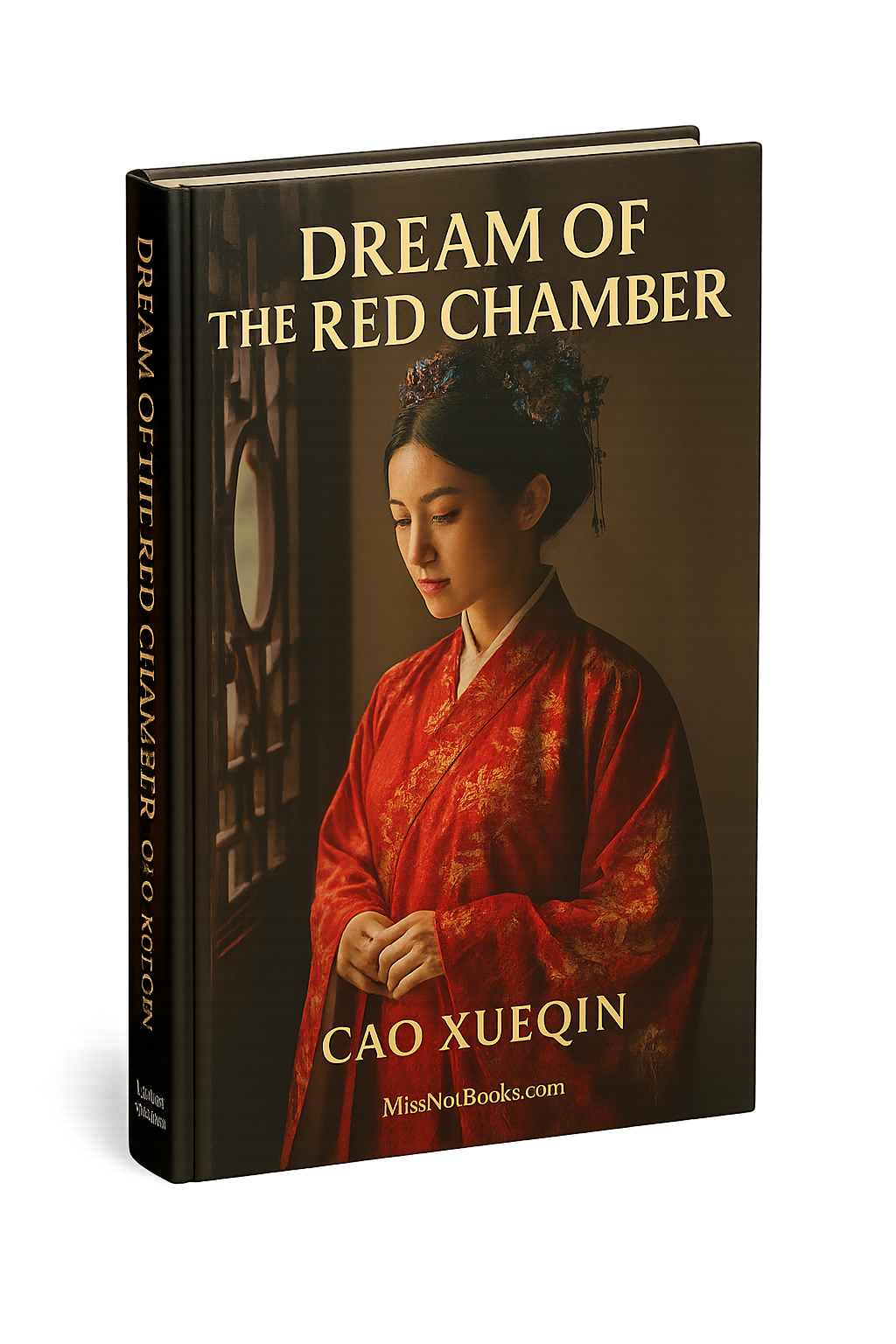
Dream of the Red Chamber
At the heart of literary history lies a work that forever altered the landscape of Chinese fiction and offered a profound insight into human nature, societal norms, and the intricacies of familial relationships. This revolutionary narrative challenges conventional storytelling by intertwining the threads of rich prose, vivid characterizations, and a deep exploration of the metaphysical realm. It serves as a mirror reflecting the complexities of 18th-century Chinese society while simultaneously resonating with universal human experiences. The emotional depth and cultural richness of this masterpiece have rendered it not only a cornerstone of Chinese literature but also a vital piece of world literature that continues to evoke admiration and inspire countless interpretations today. Don’t miss the opportunity to engage with one of the most influential works of all time. Buy it today and explore the beauty of human connections interwoven with the tapestry of destiny.
Core Ideas and Main Arguments:
- Illusion vs. Reality: The narrative delves into the tension between the visual splendor of life and the underlying ephemeral truths, illustrating the inevitable decay and transience experienced by its characters.
- Family and Society: It explores complex family dynamics and the societal expectations that shape and often confine individual desires and ambitions.
- Love and Suffering: Through romantic entanglements and tragic losses, the book examines the theme of love intertwined with suffering, suggesting that deep emotional connections can lead to profound pain.
- Fate and Free Will: The text grapples with the philosophical question of fate versus free will, prompting readers to reflect on the extent to which characters control their destinies.
Author’s Intentions and Context: The author sought to capture the essence of his time—a time marked by social stratification, cultural richness, and burgeoning intellectual thought. Writing during the Qing Dynasty, he was informed by the realities of his own experiences of loss and disillusionment. The book was intended not just as a narrative, but as a vehicle for critique and reflection, challenging the established norms of society and the Chinese literary tradition itself.
Structure of the Book: The narrative is structured in a series of chapters that can be viewed as interrelated vignettes. Here’s a brief outline of its thematic organization:
- Introduction of Characters and Setting: Establishes the key players and their relationships, positioning the reader within the luxurious yet decaying world of the Jia family.
- Development of Plotlines: Interwoven stories that follow multiple generations, emphasizing themes of love, betrayal, and the inexorable passage of time.
- Philosophical Revelations and Reflections: Sections pivot to provide deeper meditative insights on life, death, and the nature of existence, often represented through dream sequences and poetry.
- Conclusion: A powerful denouement that encapsulates the futility of worldly pursuits, reflecting on the transience of life and the inevitability of fate.
Key Takeaways:
- The relationship between beauty and sorrow is intricately portrayed, highlighting how they coexist in human experience.
- The critique of social hierarchy and familial obligations prompts readers to question their cultural paradigms.
- The exploration of emotional truth reveals the depth of human feelings and the complex web of motivations behind them.
Why It’s Important to Read: This book remains a vital text for understanding not only Chinese literature but the universal themes of love, loss, and the human condition. Its rich, multifaceted characters and profound philosophical explorations resonate with anyone seeking to delve deeper into the intricacies of relationships and society. Scholars, literary enthusiasts, and casual readers alike will find value in its nuanced portrayal of life’s fragility and the ever-present dance between destiny and choice.
Impactful Quotes and Analysis:
-
“The mind is like water; when it’s turbulent, it’s difficult to see. When it’s calm, everything becomes clear.”
This quote encapsulates the central theme of clarity versus confusion, urging readers to seek inner peace to comprehend life’s complexities. -
“Life is but a dream; that’s how it has always been, and that’s how it will always be.”
This poignant reflection challenges the reader to consider the nature of reality and existence, presenting life as an ephemeral illusion granting fleeting moments of joy and pain. -
“All the world is but a stage, and we are merely players."
A reminder of the performative aspects of life, it calls into question the roles individuals assume within the confines of societal expectations.
About the Author: Cao Xueqin (1715-1763) was a Chinese novelist and poet of the Qing Dynasty, recognized as one of the most significant figures in Chinese literature. Born into a once-wealthy family that fell into financial decline, his rich life experiences deeply informed his writing. “Dream of the Red Chamber,” often considered his magnum opus, reflects his keen understanding of human relationships and societal criticism, earning him a legacy as a literary titan whose work continues to resonate across cultures and generations.
This monumental work is Dream of the Red Chamber by Cao Xueqin, brought to you for educational purposes by MissNotBooks.com.