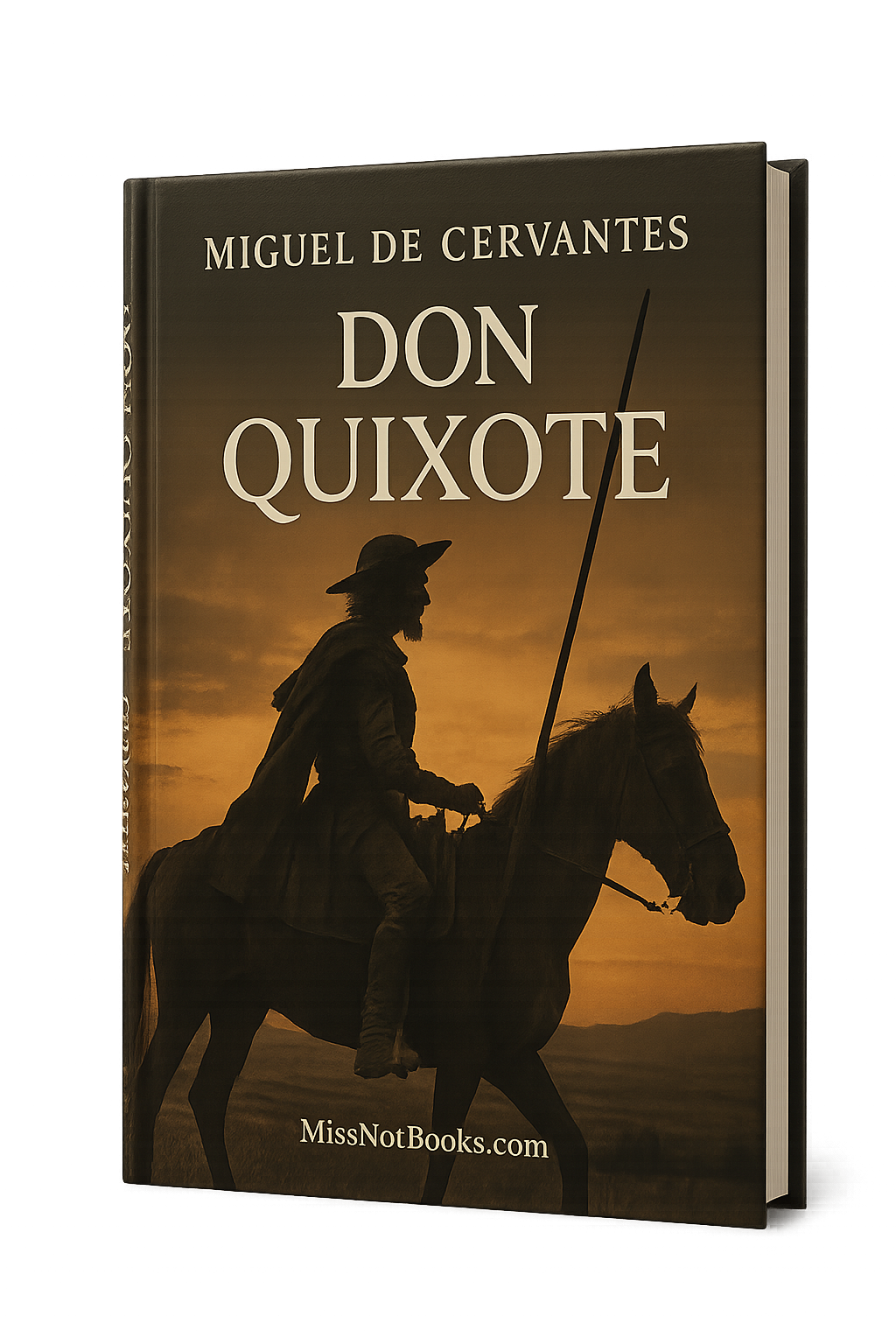
Don Quixote
In a literary landscape largely dominated by traditional narratives, one work emerged that not only transformed storytelling but also redefined the very essence of heroism and imagination. This groundbreaking narrative challenged the rigid conventions of its time, pushing the boundaries of genre and character development. By blending elements of realism with fantastic adventure, it offered a profound exploration of human aspiration, delusion, and the quest for identity. Its impact is felt not just in literature, but across various disciplines, inspiring countless creators and thinkers to explore the depths of human experience. Don’t miss the opportunity to engage with one of the most influential works of all time. Buy it today and explore the beauty of human imagination.
Core Ideas and Main Arguments
- The Nature of Reality vs. Illusion: The protagonist's adventures highlight the conflict between perception and reality, challenging readers to consider how dreams and delusions shape our experiences.
- Heroism Redefined: It presents a new kind of hero—one who, despite their madness, embodies an unwavering commitment to their ideals, prompting reflection on what it means to be noble and courageous.
- Social Commentary: The narrative critiques societal norms and the quest for identity in a rapidly changing world, addressing themes of class, honor, and the nature of chivalry.
- The Power of Literature: It suggests that stories can shape one’s reality, emphasizing the transformative power of imagination and narrative in both personal and societal contexts.
Author’s Intentions and Context
Miguel de Cervantes wrote this work during a period marked by significant cultural and political upheaval in Spain. The decline of chivalric ideals alongside the rise of a more pragmatic societal outlook motivated Cervantes to create a satirical yet heartfelt homage to the romantic notions of knighthood. Cervantes aimed to illuminate the folly of blind idealism while celebrating the beauty of dreams, serving as both a critique of contemporary society and an affirmation of intrinsic human values.
Structure of the Book
- Part One: Introduces the character of Don Quixote, setting the stage for his grand, misguided adventures. Key episodes demonstrate the contrast between his delusions and the stark reality surrounding him.
- Part Two: Delves deeper into the ramifications of Don Quixote’s escapades, showcasing his development and the reflections of other characters, thus enriching the narrative complexity and philosophical depth.
- Epilogue: Concludes with a poignant meditation on the themes of illusion and reality, leaving the reader with lasting questions about the nature of human aspirations.
Key Takeaways
- Readers learn about the enduring conflict between dreams and the harshness of reality.
- The redefinition of heroism encourages a broader understanding of courage and virtue beyond traditional archetypes.
- The book’s exploration of identity prompts introspection on personal ideals and societal roles.
Why It’s Important to Read
This work remains a pivotal text in the canon of world literature with its exploration of the human condition. Its themes resonate across generations, touching upon the quest for meaning, the folly of ideals, and the enduring power of stories. Ideal for literature enthusiasts, philosophers, and anyone intrigued by the complexities of human nature, this seminal book offers timeless insights into our collective psyche.
Impactful Quotes and Analysis
-
“When life itself seems lunatic, who knows where madness lies?”
This profound statement encapsulates the ambiguity of existence and invites readers to question their perceptions of sanity and rationality. -
“The truth may be stretched, but cannot be broken, and always surfaces above lies, as oil does above water.”
Here, Cervantes emphasizes the resilience of truth, suggesting that even amidst chaos and deception, reality ultimately prevails. -
“The truth of it is, the envy of your opponent is a tribute upon your fortune.”
This quote reflects the complexities of human relationships, particularly in terms of ambition and rivalry, showcasing Cervantes' sharp wit.
About the Author
Miguel de Cervantes Saavedra (1547-1616) was a Spanish novelist, playwright, and poet, best known for his profound contributions to literature, particularly the novel form. His legacy as the "father of the modern novel" is firmly established through works that probe the depths of human experience and emotion, blending humor with poignant social commentary. Cervantes' influence extends far beyond literature, impacting philosophy, art, and cultural discourse, ensuring his place as a central figure in the dialogue of human thought.
This monumental work is Don Quixote by Miguel de Cervantes, brought to you for educational purposes by MissNotBooks.com.