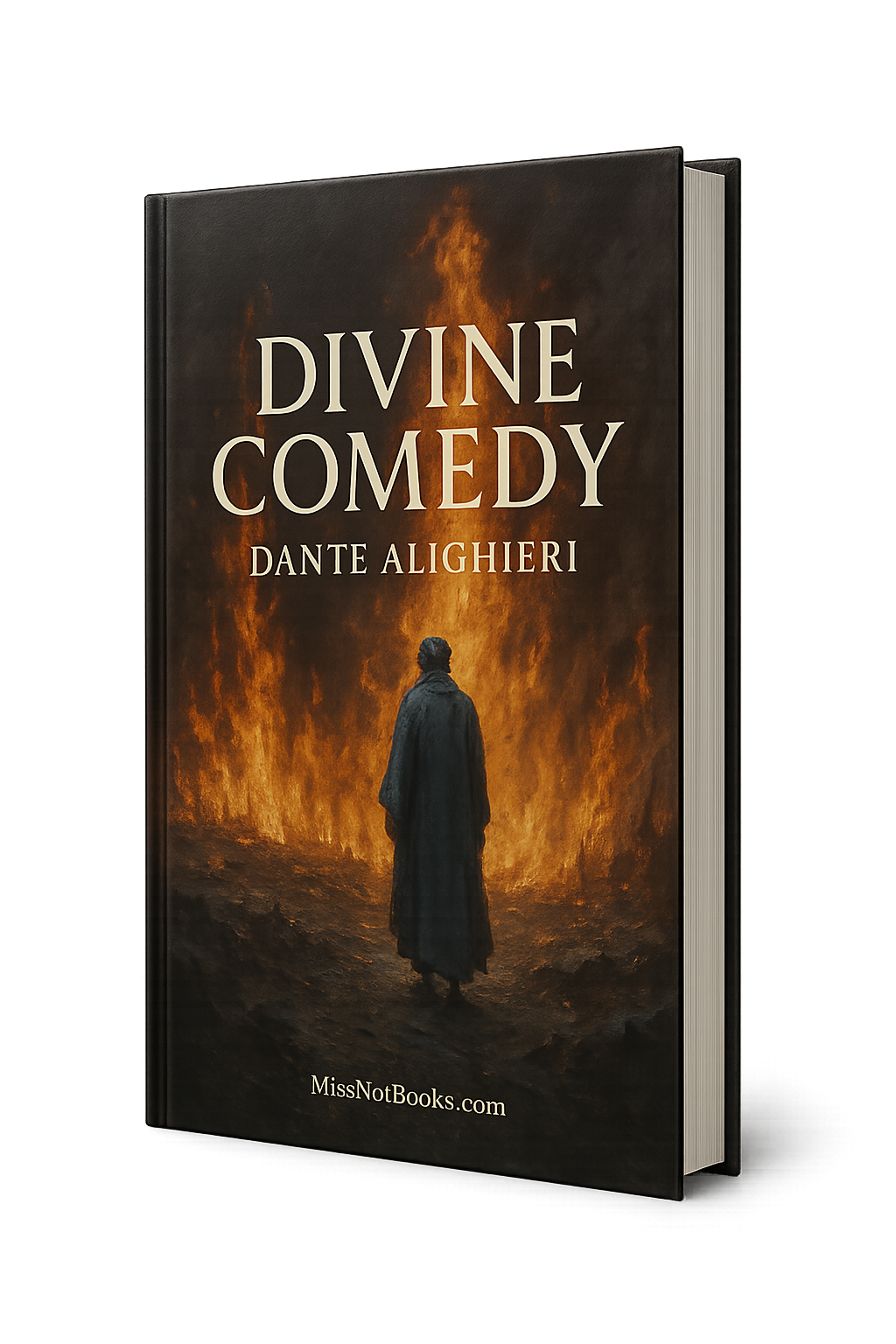
Divine Comedy
In the realm of literature, few works have so profoundly transformed our understanding of spirituality, morality, and the human experience as the text in question. This groundbreaking book serves as a beacon for navigating life's most profound questions, inviting readers into an intricate tapestry of allegory, theology, and philosophy. Through its riveting exploration of the afterlife, it challenges preconceived notions of justice, virtue, and the human soul's journey toward redemption. With sweeping narratives and striking imagery, it reshaped not only literature but also the foundational concepts of Western thought, influencing countless generations in their pursuit of meaning and moral clarity.
Core Ideas and Main Arguments
- Allegorical Journey: The narrative arc of the journey through the afterlife serves as a metaphorical representation of the human soul’s quest for enlightenment and spiritual fulfillment.
- Moral Structure of the Universe: The book outlines a detailed moral hierarchy, illustrating the consequences of earthly choices and actions on the soul’s eternal fate.
- Interplay of Divine Justice and Free Will: It eloquently discusses the balance between divine justice and human agency, proposing that personal accountability is critical to one’s spiritual journey.
- The Role of Love and Redemption: Central to the narrative is the power of love—both earthly and divine—as the force that propels the soul toward salvation.
Author’s Intentions and Context
The author penned this profound work during a time of political upheaval and spiritual questioning in early 14th century Italy. Responding to the complexities of his contemporaneous society, he sought to depict the intricate relationship between the moral life of humanity and the divine order. His intention was to offer readers a guide to understanding the consequences of their earthly lives in light of a higher reality, using vivid allegories to challenge and inspire. As Europe transitioned from the medieval mindsets towards Renaissance humanism, he aimed to bridge classical thought with an evolving worldview.
Structure of the Book
The book is organized into three distinct parts—Inferno, Purgatorio, and Paradiso—each representing a different stage of the soul's journey:
- Inferno: A descent into the depths of despair and punishment, showcasing the consequences of sin.
- Purgatorio: A realm of purification, reflecting the struggles and hopes of souls seeking redemption and enlightenment.
- Paradiso: An ascent toward divine love and ultimate truth, portraying the soul’s union with God.
Each section not only contributes to a coherent progression of ideas but also serves to reflect the multifaceted nature of human existence and spirituality.
Key Takeaways
- The exploration of sin and its consequences offers valuable insights into ethical behavior and moral philosophy.
- The portrayal of hope and redemption emphasizes the transformative power of love and faith.
- The book advocates for a proactive approach to personal growth, underscoring the importance of self-examination and accountability.
Why It’s Important to Read
This timeless work resonates with readers across generations, imparting lessons on morality, spirituality, and the pursuit of truth. It remains a critical text for philosophers, theologians, and anyone seeking a deeper understanding of the human condition. By engaging with the themes of this narrative, readers can find guidance on their own journeys through life's trials and tribulations, making it essential reading for those in search of personal and collective enlightenment.
Impactful Quotes and Analysis
- “Abandon all hope, ye who enter here.”
This chilling proclamation at the gates of Inferno underscores the weight of choices and the gravity of sin, foreshadowing the complex moral universe that awaits within. - “The darkest places in hell are reserved for those who maintain their neutrality in times of moral crisis.”
This thought-provoking observation emphasizes the necessity of active participation in moral and ethical decision-making, challenging complacency in the face of injustice. - “In His will is our peace.”
This resonates with the idea that true fulfillment and harmony come from alignment with divine purpose, inviting readers to reflect on their relationship with the divine.
About the Author
Dante Alighieri (1265–1321) was an Italian poet, writer, and philosopher, widely recognized as one of the most important figures in world literature. His influence extends beyond his mastery of poetic form to encompass profound explorations of morality, love, and the human experience. Dante’s legacy lives on as the father of the Italian language and his works continue to inspire discussions on spirituality and ethics.
Don’t miss the opportunity to engage with one of the most influential works of all time. Buy it today and explore the beauty of human language and the intricacies of the moral universe. This monumental work is The Divine Comedy by Dante Alighieri, brought to you for educational purposes by MissNotBooks.com.