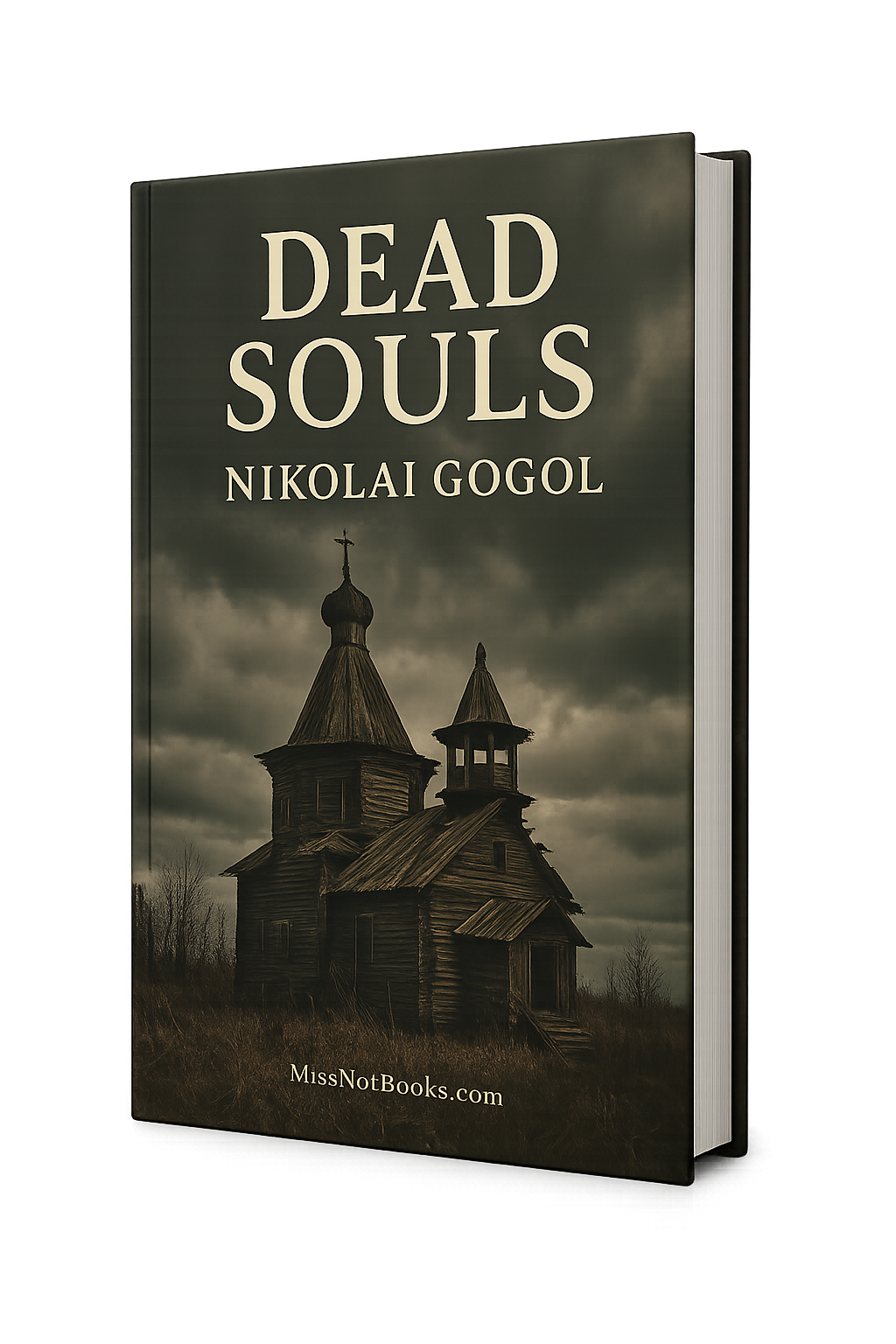
Dead Souls
In the annals of literature, certain works emerge not just as stories but as profound commentaries on society, identity, and the human condition. One such transformative piece illustrates the absurdity of immoral ambitions and critiques the bureaucratic spirit that pervades a nation. It revolutionized the literary landscape by blending satire, realism, and existential exploration, forging a path for future writers to explore the complexities of human motives and societal structures. This work dares readers to confront the darker aspects of their national identity and individual purpose, offering a critical lens through which to view existence itself.
Don’t miss the opportunity to engage with one of the most influential works of all time. Buy it today and explore the beauty of societal critique and the depths of human folly.
Core Ideas and Main Arguments
- Moral Ambiguity: The book investigates the ethical dilemmas faced by its characters, who navigate a world defined by greed and manipulation.
- Satirical Examination of Society: Through sharp wit, it exposes the absurdities of the bureaucratic class, painting a vivid picture of life in a society enamored with status and material gain.
- Existential Undertones: The characters’ journeys reflect broader questions about existence, purpose, and the pursuit of meaning in a seemingly indifferent universe.
- Commentary on Identity: It probes into the nature of self and the social masks individuals wear, emphasizing the disconnection between one’s public persona and inner reality.
Author’s Intentions and Context
The author sought to shine a light on the social injustices and moral bankruptcy of his time, responding to the widespread corruption and complacency within a rapidly changing Russian society. Written during the early 19th century, amidst the rise of industrialization and a shift in social classes, the text aimed to challenge complacent attitudes and provoke thought regarding both personal and societal integrity. It aimed to confront the reader with the stark realities of life, using humor and irony as tools for deeper introspection.
Structure of the Book
- Introduction: Establishes the protagonist and his strange undertaking, setting the stage for the exploration of moral and societal themes.
- Character Episodes: A series of vignettes that expose various societal figures, each representing different flaws and failings within the social order.
- Moral Dilemmas: Central chapters that delve into the struggles of the protagonist as he grapples with the consequences of his actions, leading to poignant reflections on self and society.
- Conclusion: Brings the narrative to a climax, leaving readers with lingering questions and an unsettling sense of unresolved tension concerning the implications of the journey taken.
Key Takeaways
- Readers will uncover the folly of pursuing wealth and status at the expense of ethics and humanity.
- The text encourages critical reflection on societal values and personal integrity.
- It reveals the hypocrisy prevalent within social structures, prompting a reevaluation of one’s role within society.
- The narrative's humor serves as both entertainment and a poignant critique, making the serious issues it addresses all the more impactful.
Why It’s Important to Read
This book continues to resonate with contemporary readers as it paints an unflinching portrait of human nature and societal flaws. Its insights about ambition, identity, and morality remain relevant in modern discussions about ethics and values. Students, scholars, and casual readers alike will find value in its rich narrative and profound themes, fostering a deeper understanding of the human experience and the socio-political structures that shape it.
Impactful Quotes and Analysis
-
“The soul of a man is like a soul of a land—a land without souls is a land gone to ruin.”
This powerful analogy emphasizes the intrinsic connection between humanity and society, suggesting that the moral fabric of a nation is woven from the character of its people. -
“It is better to be a poor devil with a heart than a rich man without one.”
Here, the author underscores the necessity of authenticity and empathy over material wealth, challenging readers to reevaluate their priorities and sense of self-worth. -
“We all are held captive by our desires—our own souls become our severest chains.”
This poignant reflection captures the essence of entrapment within societal expectations and personal aspirations, inviting readers to contemplate the true cost of their ambitions.
About the Author
Nikolai Gogol (1809-1852) was a Ukrainian-born novelist, playwright, and short story writer who played a critical role in the development of Russian literature. His groundbreaking works often exhibit a rich blend of realism and surrealism, addressing the complexities of human nature and societal flaws. Gogol's enduring legacy can be seen through his influence on generations of writers, and his ability to intertwine humor and pathos has established him as a luminary in the world of literature.
This monumental work is Dead Souls by Nikolai Gogol, brought to you for educational purposes by MissNotBooks.com.