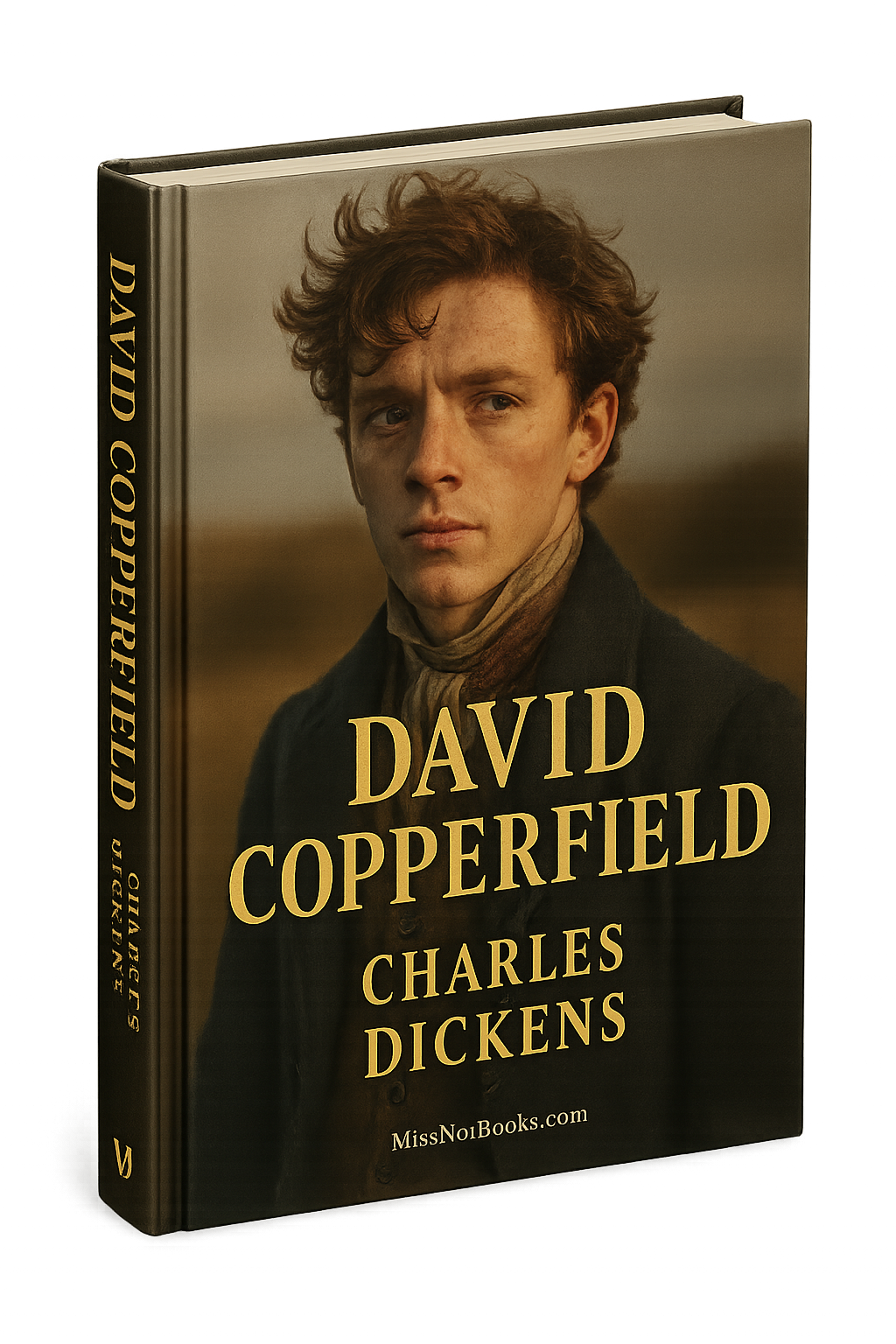
David Copperfield
Historically significant in its exploration of personal and social development, this novel has transformed the landscape of literature and narrative form. It unveiled the profound intricacies of human experience, weaving a tale that examines the interplay between fate, social class, and individual resilience. Its rich characterizations and emotional depth have not only captivated readers but have influenced countless authors and shaped the representation of the coming-of-age genre. It boldly redefined storytelling conventions and challenged societal norms, making it a cornerstone of the literary canon.
Don’t miss the opportunity to engage with one of the most influential works of all time. Buy it today and explore the nuances of identity, belonging, and the quest for personal autonomy.
Core Ideas and Main Arguments
- The Journey of Self-Discovery: The protagonist's growth reflects the universal struggle for identity and belonging.
- Social Class and Inequality: The narrative critiques the rigid social hierarchies of 19th-century England, highlighting the struggles of the impoverished.
- Moral Growth and Redemption: Central to the story is the idea that personal virtue can emerge from hardship and that moral choices define one's character.
- Value of Personal Relationships: The importance of love, friendship, and loyalty shapes the protagonist's journey, suggesting that genuine connections are vital for personal growth.
Author’s Intentions and Context
Written during a time of significant social change in Victorian England, the author aimed to depict the realities of life for the poor and the struggles against societal expectations. By drawing upon personal experiences, he sought to highlight injustices while advocating for compassion and understanding. The tumultuous industrial era, marked by stark class divisions and shifting values, provided fertile ground for a narrative that would challenge readers to reflect on their own moral responsibilities toward one another.
Structure of the Book
The narrative is structured around the life events of the protagonist, George, and is divided into several key sections:
- Early Childhood: Introduces the character and his troubled beginnings, setting the stage for his internal conflicts.
- Adolescence and Struggles: Chronicles the challenges he faces as he confronts societal expectations and personal losses.
- Young Adulthood and Resolution: Details his journey toward self-discovery and the resolution of his moral dilemmas.
- Conclusion: Ties together threads of the narrative, reflecting on the culminated lessons learned through hardship and perseverance.
Key Takeaways
- Personal identity is often shaped through adversity and social context.
- The intricate relationship between individual choices and societal structures speaks to the broader human experience.
- Compassion, despite challenges, ultimately leads to personal redemption and fulfillment.
Why It’s Important to Read
This novel continues to resonate due to its timeless themes of empathy, resilience, and the quest for identity. Readers today can still glean valuable insights into their own lives, drawing parallels between past injustices and contemporary issues. Students of literature, history, and social sciences will particularly benefit from this work, as it provides a rich tapestry of historical context, character study, and moral philosophy.
Impactful Quotes and Analysis
-
"I am made out of music."
- This line encapsulates the protagonist's intrinsic connection to art and expression, suggesting that identity is an orchestration of experiences that harmonize through life's trials.
-
"The law is a ass."
- A sharp critique of the legal system serves not only as social commentary but also as a reflection of the absurdities inherent in societal norms that often favor the powerful over the vulnerable.
-
"To be an enthusiastic supporter of happiness, to be a steady believer in goodness."
- This quote illustrates the author's advocacy for optimism and moral integrity, emphasizing that individual choices can forge a path toward a better society.
About the Author
Charles Dickens (1812-1870) was an English writer and social critic who became one of the most popular novelists of the Victorian era. Known for his vivid characters and depictions of social inequities, his works often championed the plight of the oppressed and have left an indelible mark on literature. Dickens's legacy endures through his enduring narratives and the way they illuminate the human condition, establishing him as a pivotal figure in the literary world.
This monumental work is David Copperfield by Charles Dickens, brought to you for educational purposes by MissNotBooks.com.