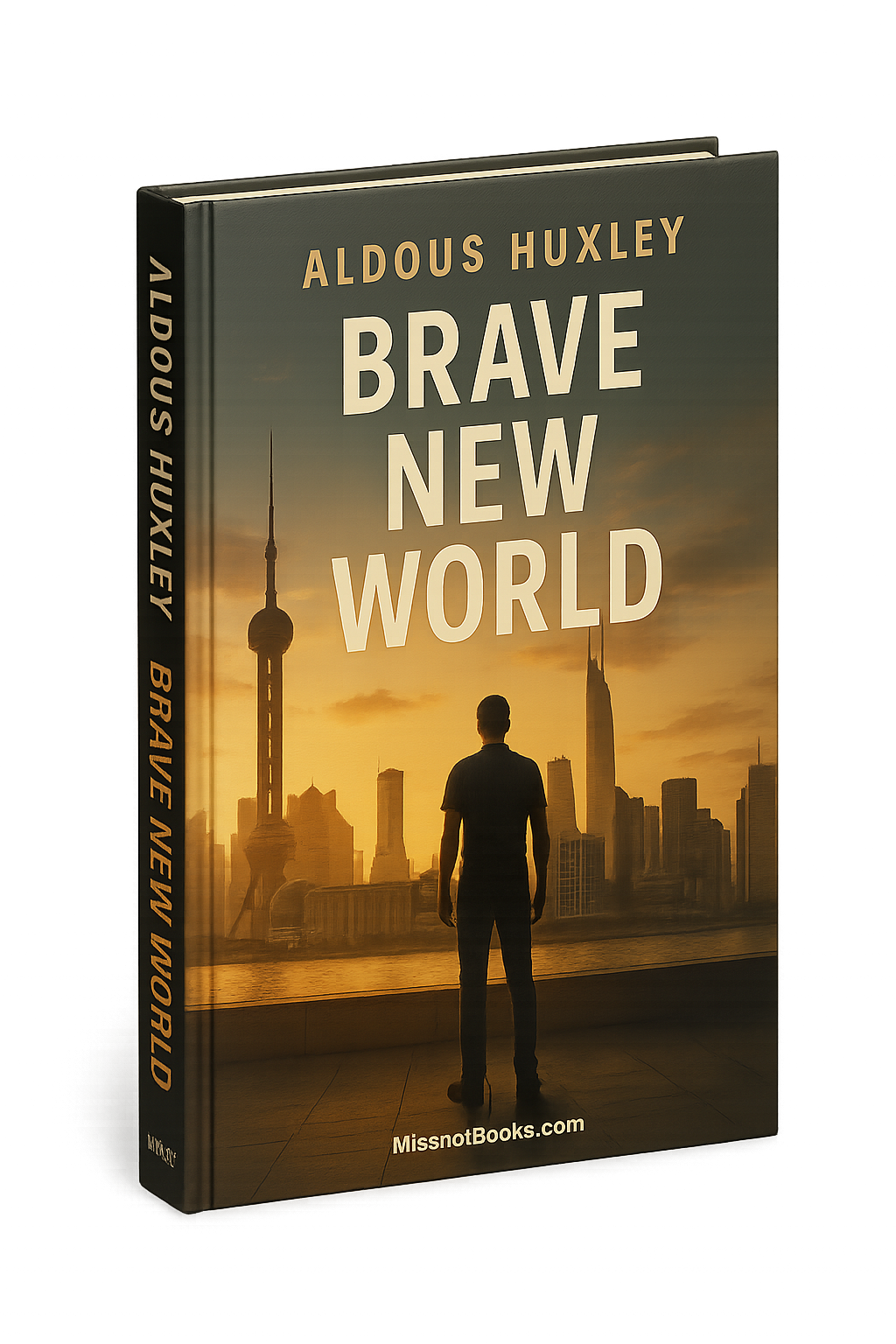
Brave New World
In an era defined by rapid technological advancements and profound societal shifts, one groundbreaking book emerged that not only critiqued the emerging modern landscape but also dared to envision a future dominated by artificiality and consumerism. This transformative work revolutionized literary, philosophical, and social thought, challenging readers to confront uncomfortable truths about the relationship between technology, individuality, and happiness. Its prescient warnings about the implications of a world driven by pleasure and conformity resonate more deeply with each passing year, making it a timeless exploration of human existence.
Core Ideas and Main Arguments:
- Dystopian Society: The book delineates a chilling vision of a future where humans are engineered for specific roles, stripping away the essence of individuality and autonomy.
- State Control and Consumerism: It critiques the mechanisms of social control that utilize technology and mass media to placate citizens and promote consumer culture.
- The Consequence of Pleasure: Through the lens of hedonism, it highlights the ethical and moral dilemmas posed by unrestrained pleasure and the abandonment of critical thought.
- The Loss of Humanity: The narrative showcases the dangers of sacrificing personal connections and genuine emotions for superficial satisfaction.
Author’s Intentions and Context:
The author aimed to shed light on the potential dehumanization inherent in technological progress and the pervasive influence of a consumer-driven society. Written in the shadow of the Great Depression and during the rise of totalitarian regimes, the author sought to provoke critical discourse on humanity's trajectory. This book addresses the philosophical concerns of freedom, individuality, and the inherent values that nurture a meaningful life, resonating with the growing anxiety over state power and loss of personal agency in the face of modernity.
Structure of the Book:
The book is divided into several key sections, each exploring different aspects of this dystopian world:
- The Setting: Introduces readers to a highly stratified futuristic society and its foundational principles.
- The Characters: Develops a cast of individuals whose lives embody the philosophical themes at play, showcasing their struggles with societal norms.
- The Climax: Presents critical moments of conflict where characters confront the contradictions of their reality.
- The Resolution: Provides a chilling conclusion that leaves readers questioning the viability of their own world.
Key Takeaways:
- The perils of allowing technology and consumerism to dictate personal values and societal structures.
- A compelling critique of hedonistic lifestyles that prioritize immediate gratification over deeper emotional connections.
- An urgent call for mindfulness regarding the sacrifices made at the altar of progress and comfort.
Why It’s Important to Read:
This book remains profoundly relevant, urging readers to reflect on contemporary issues such as the impact of technology on personal relationships, the commodification of identity, and the ongoing tension between the individual's desires and societal expectations. It serves as a cautionary tale, essential for anyone invested in understanding the complexities of modern life, from philosophers and social scientists to everyday citizens navigating an increasingly mechanized world.
Impactful Quotes and Analysis:
-
“Words can be like X-rays if you use them properly—they’ll go through anything.”
This quote eloquently captures the book’s exploration of language’s power, suggesting that communication can reveal deeper truths when employed with intention. -
“Everyone belongs to everyone else.”
This chilling slogan reflects the dehumanization fostered in an engineered society where individuality is surrendered for collective possession, provoking thought on the cost of community in modernity. -
“The greater a man's talents, the greater his temptation.”
This insight comments on the ethical complexities faced by gifted individuals within a society that rewards compliance and stifles dissent, highlighting the moral struggles tied to creativity and freedom.
About the Author:
Aldous Huxley (1894–1963) was an English writer and philosopher known for his profound insights into society, science, and the human condition. Renowned for his contributions to literature and social commentary, Huxley's legacy endures through his astute critiques of modernity, technological advancement, and the human psyche. His works continue to inspire discussions in diverse fields, including psychology, sociology, and literature.
Don’t miss the opportunity to engage with one of the most influential works of all time. Buy it today and explore the haunting reflections on freedom and control in an age of technological dominance. This monumental work is Brave New World by Aldous Huxley, brought to you for educational purposes by MissNotBooks.com.