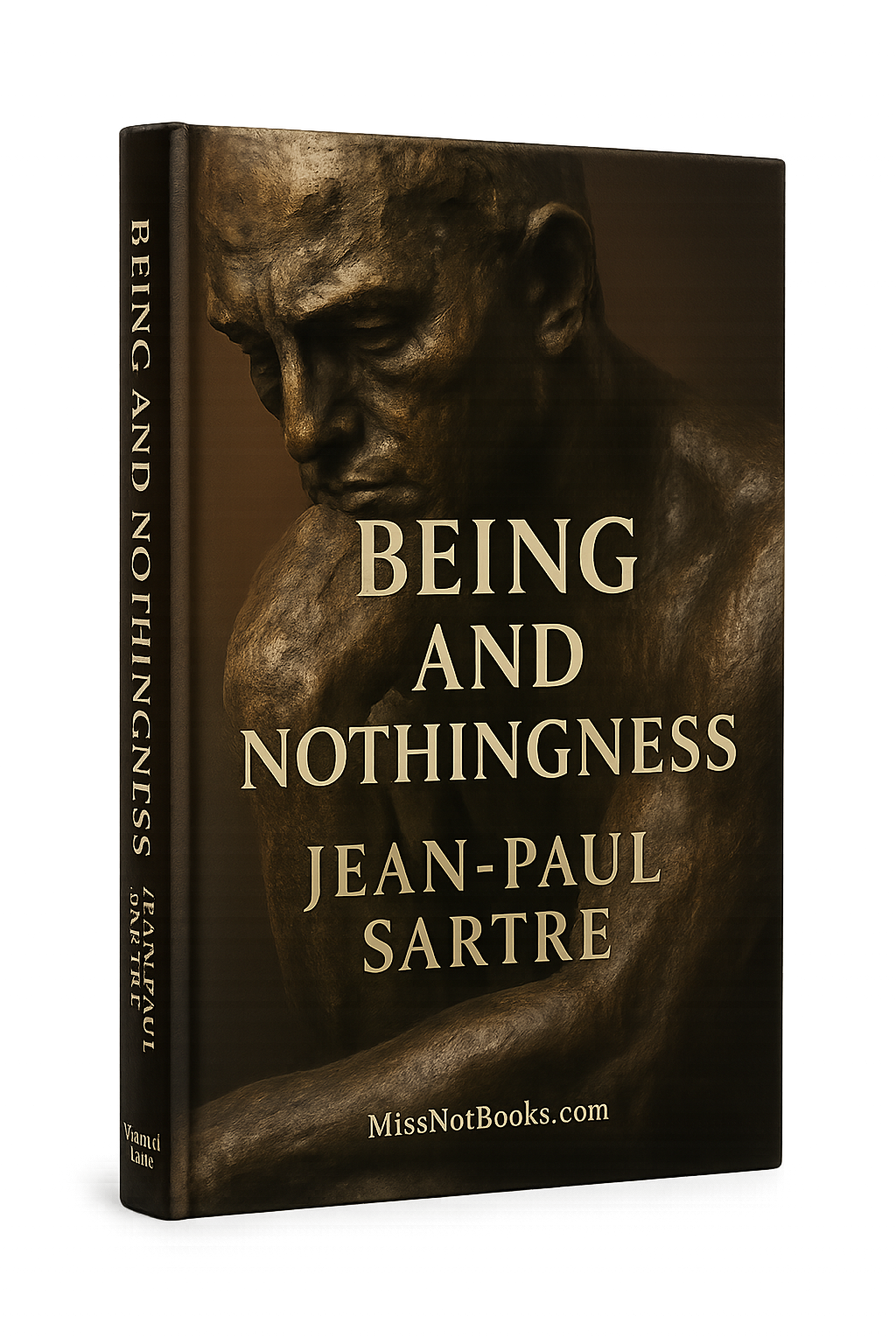
Being and Nothingness
In the landscape of philosophical literature, few works possess the sheer audacity to challenge our very understanding of existence and consciousness as profoundly as the seminal text in question. This landmark intellectual endeavor redefined the parameters of existentialism, compelling readers to confront the intricacies of freedom, responsibility, and the nature of being itself. By daring to dissect the very essence of human experience, this book revolutionized not only philosophical inquiry but also the cultural zeitgeist of its time, igniting conversations that echo into contemporary thought.
Core Ideas and Main Arguments:
- Existence Precedes Essence: This groundbreaking assertion emphasizes that individuals are born without predetermined purpose or essence, compelling them to create their own identities through choices and actions.
- The Concept of 'Being': The duality of being-in-itself (the non-conscious, static existence of objects) and being-for-itself (the conscious, dynamic existence of human beings) invites profound reflection on what it means to be.
- Freedom and Responsibility: The text argues that true freedom is inherent to human existence, yet with this freedom comes the weight of responsibility for one's actions and their consequences.
- The Look of the Other: The experience of being perceived by others raises existential dilemmas about autonomy, objectification, and interpersonal relationships.
- Bad Faith: This term describes the self-deception individuals engage in to escape the anguish of absolute freedom and responsibility—an exploration of authenticity versus inauthenticity.
Author’s Intentions and Context: Written in a post-World War II landscape rife with existential anxiety and uncertainty, the author sought to engage with the philosophical disillusionment that had pervaded society. Amidst the profound revelations of the human condition unveiled by the war, this work addressed the crisis of meaning and individuality, inviting readers to embrace the inherent freedom of their existence while recognizing the burden it entails. Sartre's reflections challenge us to confront the depths of our being, urging a transformative reexamination of our lives in a world stripped of absolute truths.
Structure of the Book: The text is organized into several parts that progressively unravel the core philosophy:
- The Notion of Being: An exploration of different modes of existence, laying the foundation for Sartre’s existential framework.
- Being-for-Itself vs. Being-in-Itself: Detailed examination of consciousness and objecthood, illustrating the unique characteristics of human existence.
- Nothingness: Investigation into the absence and the importance of negation in understanding existence.
- Freedom: An exploration of human agency, responsibility, and the implications of choice.
- The Look and the Other: A critical analysis of interpersonal dynamics and societal relationships.
Each section builds upon the last, offering a comprehensive dive into the radical philosophical insights that have captured the imaginations of thinkers for decades.
Key Takeaways:
- The central theme of freedom necessitates a reevaluation of moral frameworks and accountability.
- Consciousness is marked by its capacity to negate and create meaning—human existence is itself a canvas of perpetual choice.
- The conflict between individual autonomy and societal expectations remains a critical tension in the human experience.
Why It’s Important to Read: Engaging with this book is an essential undertaking for anyone interested in philosophy, psychology, or the arts. Its themes resonate profoundly in contemporary discussions about identity and agency, making it relevant to students, educators, and curious minds alike. By grappling with its complex ideas, readers are invited into an existential dialogue that asks them to reckon with their own freedoms and the nature of their being in an ever-evolving world.
Impactful Quotes and Analysis:
- “Man is condemned to be free; because once thrown into the world, he is responsible for everything he does.” This powerful statement encapsulates pessimistic optimism that defines human existence, highlighting the dual edges of freedom and responsibility that sculpt our lives.
- “Hell is other people.” Here, Sartre provocatively critiques the ways in which social relationships can trap us within a gaze that objectifies and limits our potential for authentic existence.
About the Author: Jean-Paul Sartre (1905-1980) was a French philosopher, playwright, novelist, and political activist, often recognized as one of the leading figures of 20th-century existentialism. His work extends beyond philosophy into literature, influencing generations of thinkers, writers, and theorists. Sartre's commitment to confronting head-on the absurdities of human life established his legacy as a fervent advocate for individual freedom and authenticity.
Don’t miss the opportunity to engage with one of the most influential works of all time. Buy it today and explore the foundation of modern existential thought. This monumental work is Being and Nothingness by Jean-Paul Sartre, brought to you for educational purposes by MissNotBooks.com.