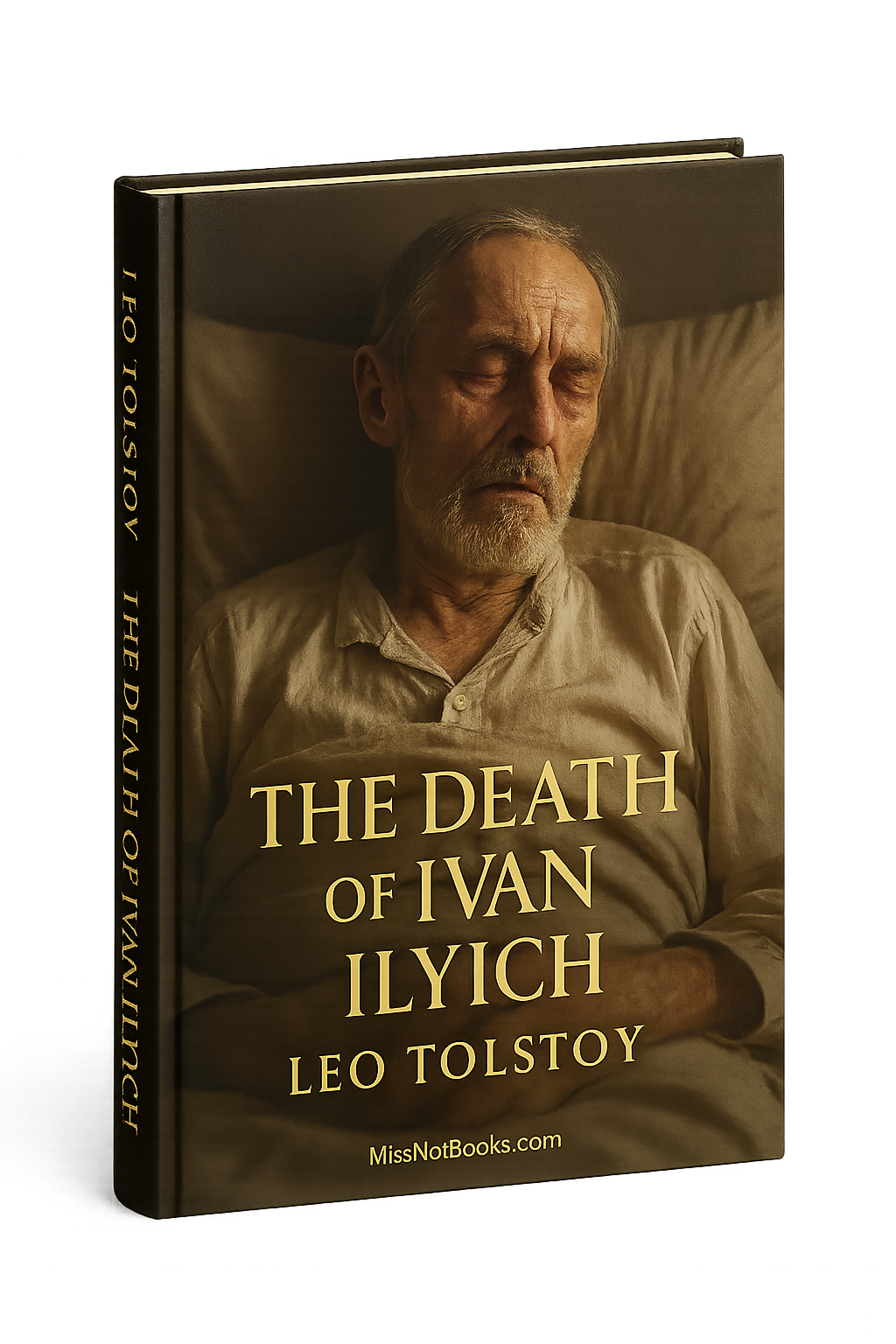
The Death of Ivan Ilyich
In the realm of literature, few works possess the power to profoundly challenge our understanding of life and death as one remarkable text does. This masterpiece forcefully invites readers to confront the fragility of existence and the nature of true happiness, revolutionizing perceptions about mortality, societal values, and the essence of a fulfilled life. By daring to address the universal inevitability of death, this book not only presents a stark examination of human experience but also champions the pursuit of authenticity and deeper meaning. It compels audiences to reflect on their own lives, igniting a transformative dialogue that resonates across generations and cultures. Don’t miss the opportunity to engage with one of the most influential works of all time. Buy it today and explore the profound truths of human existence.
Core Ideas and Main Arguments
- Confronting Mortality: The narrative anchors itself in the stark realization of death as an inevitable force, urging readers to confront their own mortality.
- Critique of Social Conventions: It challenges the superficial values of society, highlighting how the pursuit of status and material success often leads to existential emptiness.
- Search for Authenticity: Through the protagonist’s suffering, the text advocates for a life lived in authenticity and compassion rather than one dictated by societal expectations.
- Redemption through Suffering: The story posits that true understanding and redemption often come through the experience of suffering and the willingness to face painful truths.
Author’s Intentions and Context
The author aimed to illuminate the existential struggles of humanity during a time when materialism and social status heavily influenced individual identities. In a period marked by rapid change and a growing emphasis on societal norms over personal truths, the narrative serves as a counterpoint—a rallying cry for introspection and authenticity. Tolstoy sought to inspire individuals to evaluate their lives critically, fostering a deeper understanding of what it means to live meaningfully amidst societal pressures and expectations.
Structure of the Book
- Part 1: Introduces the protagonist, Ivan Ilyich Golovin, and sets the stage with his professional life and societal interactions, establishing the superficiality of his existence.
- Part 2: Depicts Ivan's gradual realization of his terminal illness, reflecting his inner turmoil and the reactions of those around him.
- Part 3: Focuses on Ivan's struggle with death as he reflects on his life choices and confronts his fears.
- Conclusion: Ivan’s eventual acceptance of mortality leads him to profound personal insights, culminating in a transformation that underscores the book's core message.
Key Takeaways
- Awareness of Mortality: Readers gain an appreciation of the urgency and significance of recognizing one's mortality as a catalyst for genuine living.
- Critique of Materialism: The narrative encourages a reevaluation of what constitutes a successful life, urging a move away from societal validation towards personal truth.
- Value of Authentic Relationships: It emphasizes the importance of deep, meaningful connections over superficial social interactions.
Why It’s Important to Read
This book remains profoundly relevant in an era where many still grapple with existential questions and the fast pace of modern life encourages distraction from deeper contemplation. Its insights challenge readers to examine their own motivations and priorities, making it a vital read for anyone seeking clarity about life's purpose. Philosophers, psychologists, and anyone on a quest for self-understanding will find the profound reflections universally applicable, ensuring the narrative speaks to the soul regardless of the era.
Impactful Quotes and Analysis
-
"What if my whole life has been wrong?"
- This quote encapsulates the existential crisis at the heart of the narrative, prompting readers to critically evaluate their own life choices and societal norms.
-
"It is the only thing that counts."
- Through Ivan's realizations, this declaration speaks to the heart of what truly matters in life, emphasizing that what one leaves behind is far more significant than societal accolades.
-
"I won't die. I want to live."
- This poignant moment illustrates the human instinct to cling to life, highlighting the struggle between the fear of death and the desire for existence, evoking deep emotional resonance in readers.
About the Author
Leo Tolstoy, born on September 9, 1828, and passing on November 20, 1910, was a Russian writer, philosopher, and political thinker whose literary contributions have endured the test of time. Renowned for his exploration of moral and ethical questions, Tolstoy's influence extends beyond literature into social and political arenas, with a legacy that emphasizes compassion, simplicity, and the search for meaning. His works have inspired countless readers, writers, and thinkers, securing his place as one of the most significant figures in world literature.
This monumental work is The Death of Ivan Ilyich by Leo Tolstoy, brought to you for educational purposes by MissNotBooks.com.