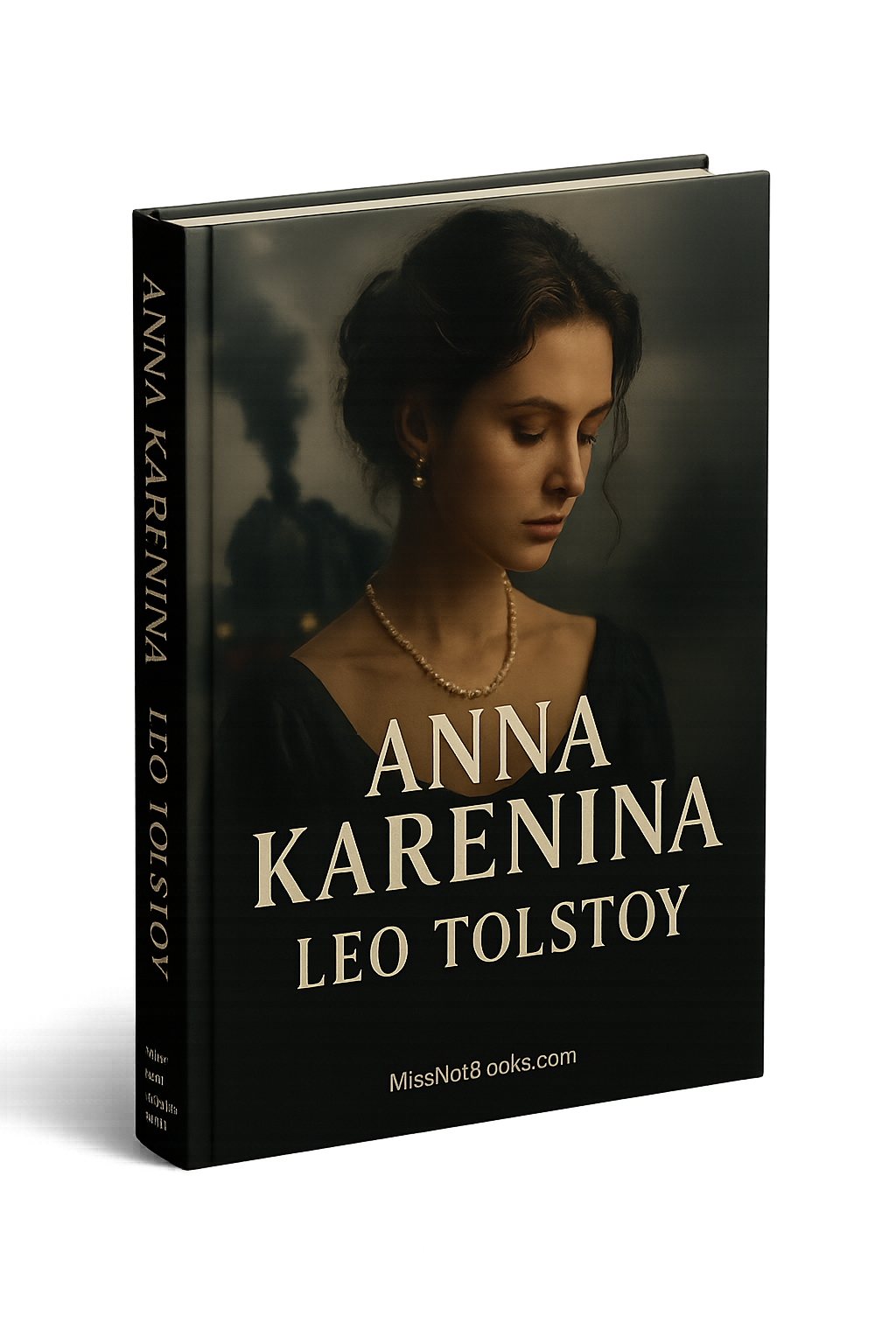
Anna Karenina
The work under discussion stands as a towering achievement in literature, reshaping narratives about love, society, and morality in ways that resonate to this day. With its richly detailed characters and intricate plotlines, it challenges readers to confront the complexities of human emotions and social constructs. It revolutionized the portrayal of personal dilemmas against the backdrop of broader societal issues, making it a cornerstone of literary study. This book invites us to delve deeply into the human condition, urging a reflective examination of choices and consequences that remain ever-relevant. Don’t miss the opportunity to engage with one of the most influential works of all time. Buy it today and explore the profound depths of human emotion and folly.
Core Ideas and Main Arguments
- The Complexity of Love: The narrative explores the multifaceted nature of love, encompassing romantic passion, familial obligation, and societal expectations.
- The Struggle Against Conformity: Characters grapple with the tension between individual desires and societal norms, highlighting the struggle for personal authenticity.
- Morality and Consequences: The book presents a moral landscape where choices lead to profound consequences, urging readers to consider the ethical implications of their actions.
- Existential Reflections: Themes of fate, free will, and existential despair are woven throughout, prompting introspection about life’s purpose and meaning.
Author’s Intentions and Context
The author aimed to shed light on the moral dilemmas and emotional turbulence of his time, set against a backdrop of Russian aristocracy in the 19th century. Responding to the societal upheavals of his era, he meticulously crafted a narrative that scrutinizes the institution of marriage, the societal role of women, and the constraints imposed by class. The author sought to ignite conversations about personal authenticity, moral integrity, and the nature of happiness, illuminating the human spirit’s quest for fulfillment amidst societal pressures.
Structure of the Book
The work is structured into eight parts, each dedicated to the lives and struggles of its central characters:
- Part One: Introduces the primary characters and their interpersonal dynamics, establishing thematic conflicts.
- Part Two: Explores the romantic entanglements and the initial bliss of love as well as the looming societal scrutiny.
- Part Three: Delves into the characters' internal conflicts and societal pressures, revealing the cracks in their relationships.
- Subsequent Parts: Progressively unravel the consequences of choices and the unraveling of personal and social lives, culminating in a profoundly impactful resolution that underscores the overarching themes.
Key Takeaways
- Nuanced Understanding of Relationships: Readers will appreciate the complexity of love and its paradoxes.
- Societal Critique: The work calls into question societal norms and expectations, offering a lens through which to examine contemporary constructs.
- The Weight of Choices: The narrative emphasizes the enduring significance of personal decisions and their far-reaching effects.
Why It’s Important to Read
This work remains a critical lens through which to view human relationships and moral complexities. Its exploration of love, loss, and societal expectations transcends time and culture, offering invaluable insights for individuals across various walks of life. Students of literature, philosophy, and psychology will find the themes and character studies particularly enriching, allowing a deep dive into the perennial questions of existence and moral choice.
Impactful Quotes and Analysis
-
“All happy families are alike; each unhappy family is unhappy in its own way.”
This quote underscores the unique struggles inherent in each family, setting the stage for the exploration of personal and societal conflicts. It resonates deeply with the idea that while happiness may conform to certain patterns, unhappiness is invariably idiosyncratic. -
“There is no greatness where there is not simplicity, goodness, and truth.”
Here, the author articulates a profound truth about the nature of greatness, suggesting that true value lies in authenticity rather than in superficial achievements. It invites readers to reflect on their values and what they deem worthy in life. -
“I think if it’s all a dream, then we must not wake up.”
This line evokes a sense of existential dilemma, as characters navigate the boundaries of their realities, encouraging readers to ponder their perceptions of truth versus illusion.
About the Author
Leo Tolstoy (1828-1910) was a Russian novelist, moral thinker, and social reformer, widely regarded as one of the greatest writers in world literature. His exploration of moral philosophy and human psychology had a lasting impact, establishing him as a pivotal figure in literary and philosophical discourse. Tolstoy's legacies in narratives that probe deep ethical questions continue to influence writers, thinkers, and social activists to this day.
This monumental work is Anna Karenina by Leo Tolstoy, brought to you for educational purposes by MissNotBooks.com.