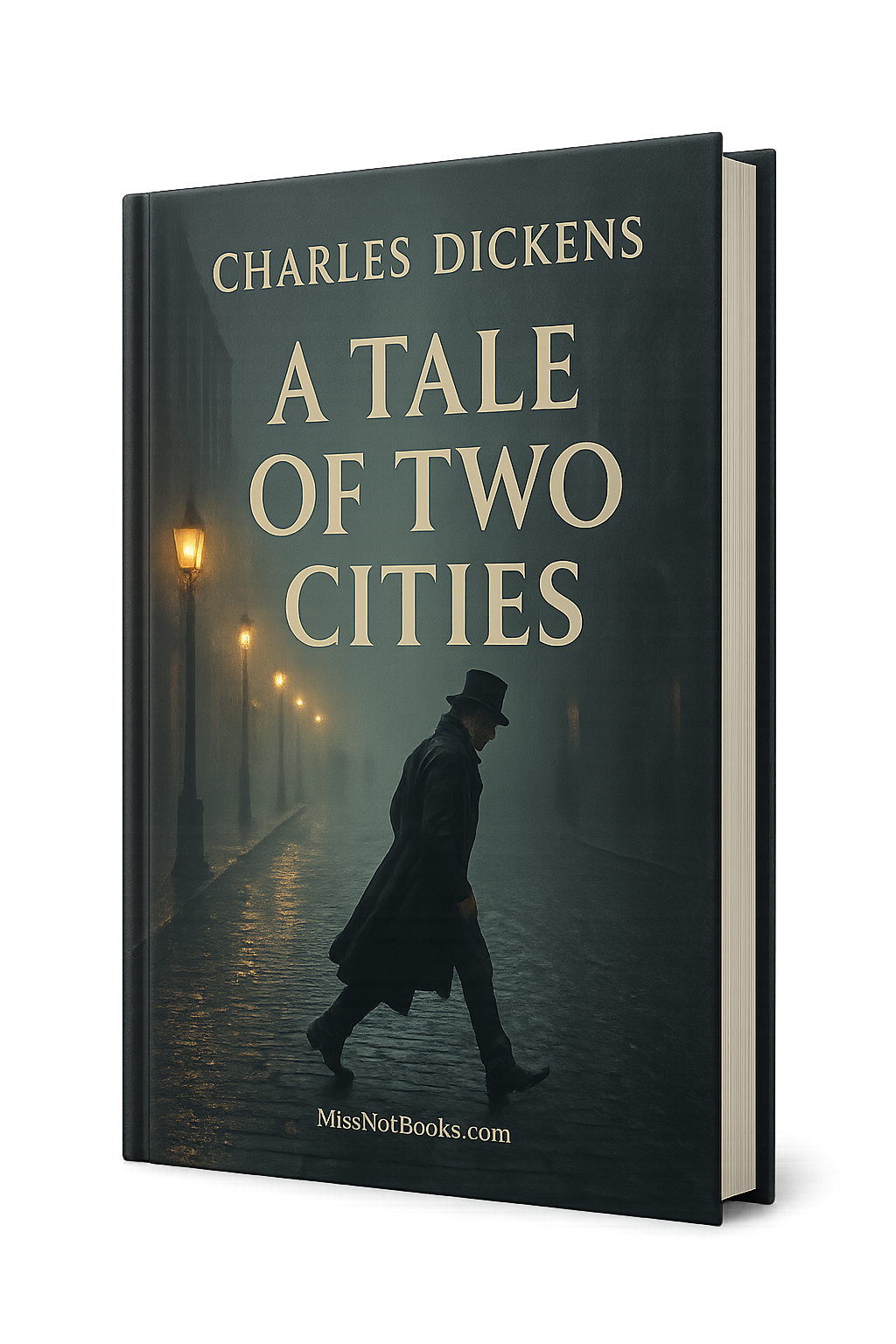
A Tale of Two Cities
In an era defined by upheaval and transformation, a remarkable narrative emerged that not only captured the chaos of its time but also laid bare the undercurrents of human resilience and sacrifice. This book is a profound exploration of the dichotomies of society: the rich and the poor, love and hate, hope and despair. Through its vivid storytelling and rich character development, it revolutionized the way readers understand the consequences of social injustice and the strength of the human spirit. Its unparalleled depth and emotional resonance continue to exert a powerful influence on literature, making it essential reading for those yearning to grasp the complexities of human nature against the backdrop of historical events.
Core Ideas and Main Arguments
- Duality of Human Experience: The narrative contrasts the lives of the wealthy and the disenfranchised, highlighting the stark realities of poverty and privilege.
- The Power of Resurrection: The theme of resurrection permeates the text, offering a lens through which to understand personal and societal renewal.
- Sacrifice and Redemption: The characters exemplify the lengths to which one will go for love and loyalty, emphasizing that true nobility often lies in self-sacrifice.
- Historical Context and Its Relevance: The book intertwines personal stories with the political upheaval of the French Revolution, illustrating how individual lives are affected by historical tides.
Author’s Intentions and Context
Set against the tumultuous backdrop of the late 18th century, the author, a keen observer of societal changes, aimed to shed light on the pernicious effects of inequality and the inevitability of revolution when the oppressed rise against their oppressors. In a world steeped in class struggle and political volatility, the book served as both a warning and a reflection of collective humanity's potential for both destruction and redemption. The author sought to inspire empathy by humanizing the abstract social issues of his day, making the political personal.
Structure of the Book
The narrative unfolds in distinct parts, meticulously structured to enhance the thematic exploration of the era:
- Book the First: Introduces the characters and sets the stage, establishing the contrasts between London and Paris.
- Book the Second: Expounds on the characters’ interconnections and chronicling their personal journeys amidst rising revolutionary fervor.
- Book the Third: Culminates in a dramatic climax where themes of sacrifice and redemption come to the fore, solidifying the irrevocable ties between personal choices and historical events.
Key Takeaways
- The exploration of duality prompts a deeper understanding of societal structures and individual agency.
- Readers are reminded that history is shaped not only by great leaders but also by the everyday choices of ordinary people.
- The capacity for change and renewal serves as a beacon of hope, emphasizing the enduring human spirit.
Why It’s Important to Read
This book endures as a crucial lens through which to view contemporary societal issues, offering insights into the nature of justice, love, and sacrifice. It resonates with anyone grappling with questions of morality within a fractured world, making it particularly valuable for students of history, literature, and social science. Its timeless themes encourage critical reflection on the past, pushing readers to consider their role in shaping a more equitable future.
Impactful Quotes and Analysis
-
“It was the best of times, it was the worst of times….”
This opening line encapsulates the paradox of the era, inviting readers to explore the duality inherent in humanity and society. -
“A day will come when the oppressed will rise against their oppressors.”
This statement foreshadows the revolution and embodies a central theme of the text; it serves as a potent reminder of the social dynamics at play and the potential for change. -
“I am a shadow of my former self.”
This reflection speaks to notions of personal transformation and loss, resonating deeply with moments of poignant sacrifice in the narrative.
About the Author
Charles Dickens (1812-1870) was a prominent English writer and social critic whose influence continues to resonate through the literary world. Renowned for his vivid characters and depictions of Victorian society, Dickens used his platform to advocate for social reform, deeply embedding his critiques of inequality within his narratives. His legacy endures through his masterful storytelling and capacity to evoke empathy for the marginalized.
This monumental work is A Tale of Two Cities by Charles Dickens, brought to you for educational purposes by MissNotBooks.com.