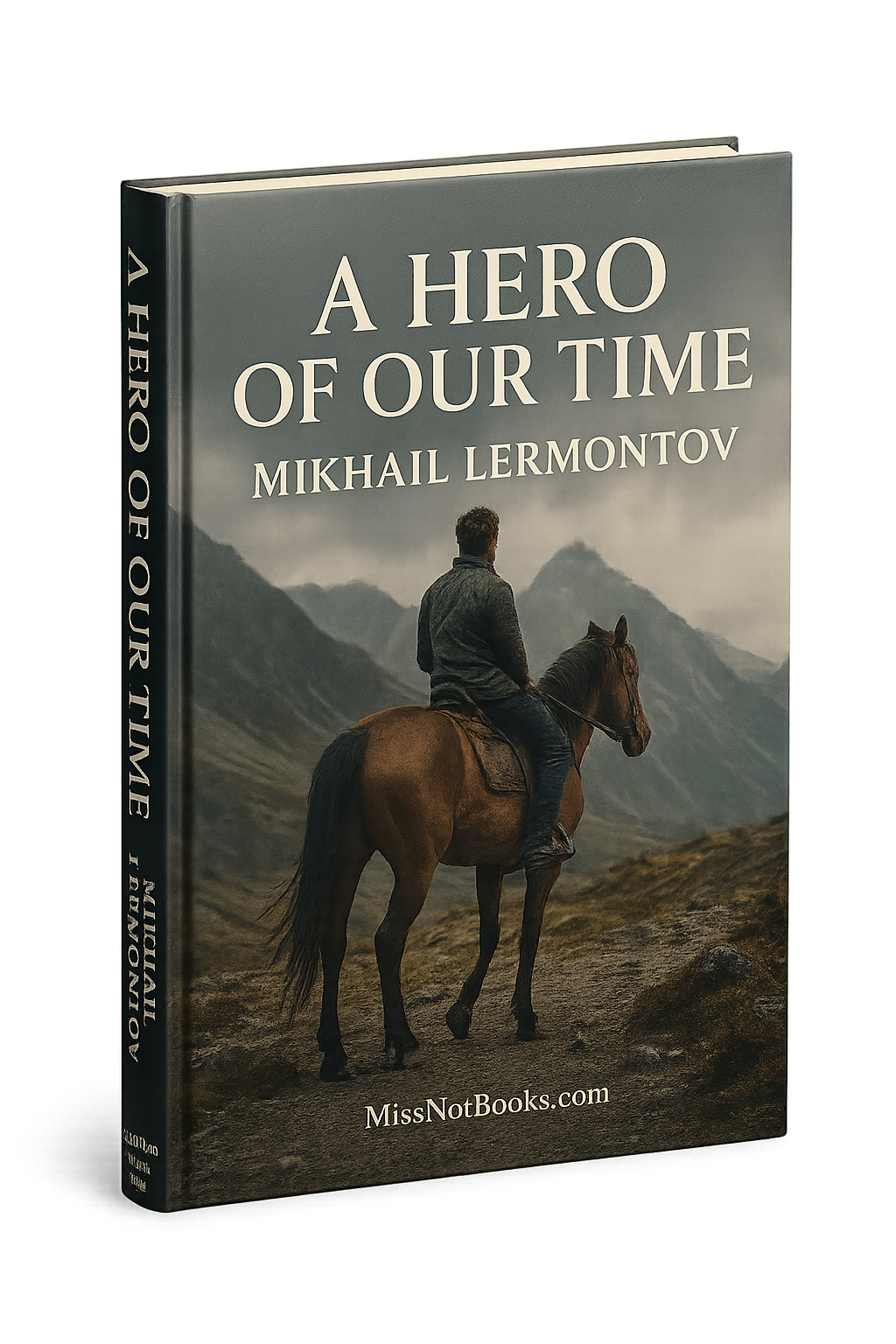
A Hero of Our Time
In an era marked by tumultuous change and societal discontent, a singular work emerged that profoundly reshaped the landscape of Russian literature and psychology. This groundbreaking text not only explored the complexities of the human psyche but also challenged prevailing cultural narratives about heroism, morality, and the existential condition of man in an increasingly indifferent world. Its rich tapestry of character and thematic depth invites readers to reflect on their own moral choices and the social constructs that define heroism. Don’t miss the opportunity to engage with one of the most influential works of all time. Buy it today and explore the intricacies of the human soul and the nature of existential angst.
Core Ideas and Main Arguments
- Complex Characterization: The protagonist embodies the duality of heroism and disillusionment, reflecting the contradictions of the human experience.
- Critique of Romanticism: The text systematically dismantles idealized notions of the hero through the protagonist's flawed and often self-destructive behavior.
- Isolation and Alienation: A recurring theme is the protagonist’s detachment from society, illustrating the struggles of individuals within a restrictive environment.
- Existential Reflection: The narrative grapples with the concepts of fate, choice, and the search for meaning in life, echoing the existential dilemmas faced in the modern era.
Author’s Intentions and Context
The author set out to create a narrative that was both a reflection of personal disillusionment and a critique of the societal norms of his time. Responding to the romantic ideals prevalent in earlier literature, the text emerges from a period of political and social upheaval in 19th century Russia. It confronts the psychological toll of romantic ideals juxtaposed against a backdrop of personal and communal despair, aiming to articulate the struggles of a generation grappling with the realization that traditional heroic narratives often mask deeper truths about human nature.
Structure of the Book
The work is intricately divided into several interconnected narratives that explore various facets of the protagonist's life. Each chapter serves as a vignette, unraveling different experiences that contribute to the overarching theme of existential conflict:
- Introduction of the Protagonist: Establishing the central figure and the societal expectations placed upon him.
- Personal Interactions: Vignettes that reveal the protagonist’s relationships and his growing sense of alienation.
- Moments of Crisis: Climax events that force the protagonist to confront his own choices and the consequences of his actions.
- Reflections on Society: Concluding segments that summarize broader societal observations and philosophical insights related to the hero’s journey.
Key Takeaways
- Readers will grasp the notion that true heroism is often laced with immense personal struggle and failure.
- The text compels a reconsideration of the ideals of romantic love and companionship in the context of profound emotional detachment.
- It highlights the importance of self-awareness and the continuous search for meaning amidst the chaos of human existence.
Why It’s Important to Read
This work remains a critical piece of literature for anyone wishing to delve deeply into the psyche of individuals confronting their inner demons and societal expectations. Its insights continue to resonate in today’s world where themes of alienation, identity, and the quest for meaning are ever-present. Scholars, students, and casual readers alike will find value in understanding how this text laid groundwork for future explorations into the complexities of human nature and the nuances of moral ambiguity.
Impactful Quotes and Analysis
-
“The heart of man can be a dark and treacherous place.”
This quote encapsulates the central theme of the protagonist’s internal conflicts, showcasing the often-overlooked depths of human emotion and morality. -
“To live is to feel oneself alive, not just exist.”
This statement speaks powerfully to the existential condition, urging readers to strive for genuine experiences rather than merely going through the motions of life. -
“Every hero is a mere reflection of the society that birthed them.”
This profound observation critiques the socio-political constructs that give rise to the concept of the hero, pushing readers to question their own ideals and values.
About the Author
Mikhail Lermontov (1814-1841) was a prominent Russian poet, novelist, and playwright, recognized as one of the foremost figures in Russian literature. His incisive exploration of the human condition and critique of societal norms established him as a key figure in the Russian Romantic movement. Lermontov's legacy endures as one of the great voices of 19th century literature, influencing countless writers and thinkers in their own explorations of the human experience.
This monumental work is A Hero of Our Time by Mikhail Lermontov, brought to you for educational purposes by MissNotBooks.com.